Your cart is currently empty!
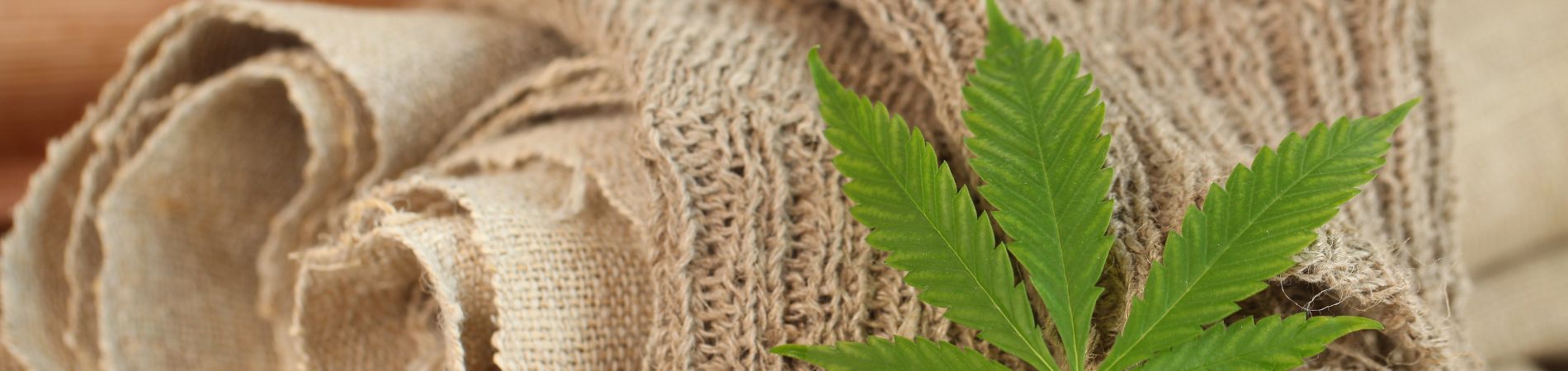
Hemp: The Super Sustainable Material of the Future
Hemp, a sustainable wonder-material, is rapidly gaining recognition as one of the most eco-friendly materials available today. From textiles and bioplastics to construction and skincare, hemp’s sustainability benefits make it a game-changer in multiple industries.

Why Is Hemp A Sustainable Material?
Hemp Requires Fewer Resources to Grow
Unlike many other crops, hemp is low-maintenance and naturally resilient:
- Needs Less Water – Compared to cotton, which is highly water-intensive, hemp requires significantly less irrigation, reducing water waste.
- Minimal Pesticides & Herbicides – Hemp is naturally resistant to pests, meaning it can be grown without harmful chemicals that damage ecosystems.
- Thrives in Different Climates – Hemp can grow almost anywhere, making it one of the most adaptable crops in the world.
Hemp Absorbs Carbon & Improves Soil Health
Hemp isn’t just carbon-neutral—it’s carbon-negative, meaning it absorbs more CO₂ than it emits:
- Captures Carbon Fast – Hemp absorbs more CO₂ per acre than trees, helping combat climate change.
- Regenerates Soil – Unlike many crops that deplete nutrients, hemp restores soil health by removing toxins and replenishing nutrients.
- Prevents Erosion – Hemp’s deep root system helps stabilize soil, preventing erosion and land degradation.
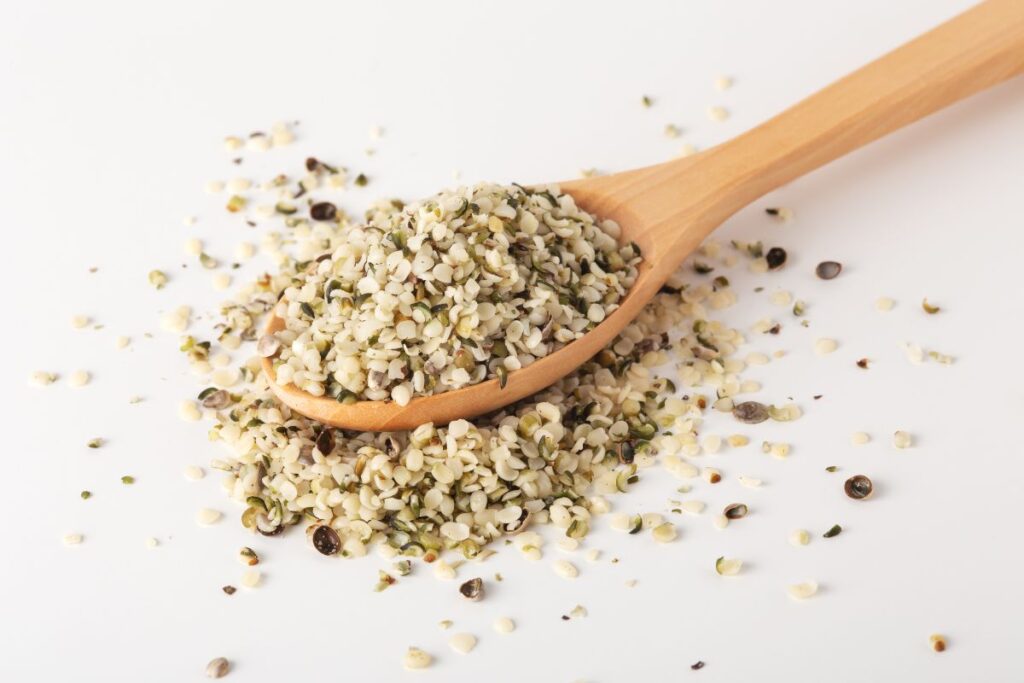
Every Part of Hemp is Usable = Zero Waste
Hemp is one of the most resource-efficient plants—every part can be used for different purposes:
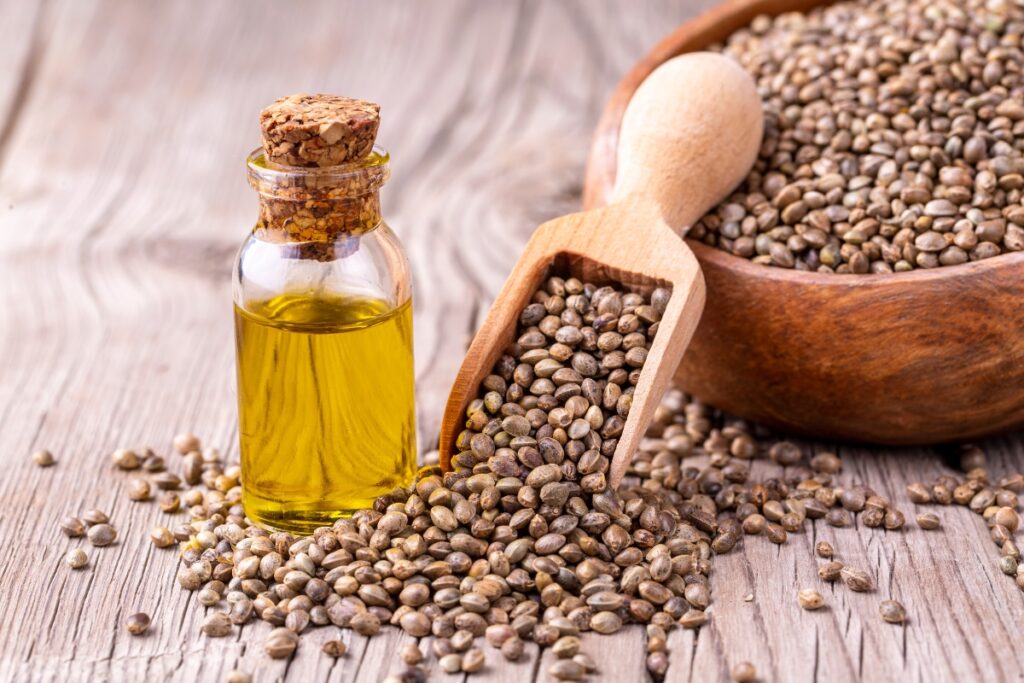
- Hemp Seeds – Used for food, oils, and cosmetics.
- Hemp Fibers – Used for textiles, paper, ropes, and bioplastics.
- Hemp Hurds (Inner Core) – Used in construction (hempcrete), animal bedding, and insulation.
- Hemp Leaves & Stalks – Can be composted for natural fertilizer.
Unlike many industrial crops that create waste byproducts, hemp is fully usable, making it a true zero-waste resource.
Hemp IS MORE SUSTAINABLE THAN MANY Materials
Hemp provide more eco-friendly alternatives to some of the world’s most commonly used materials:
- Hempcrete vs. Concrete – Hempcrete is a natural, insulating building material that absorbs CO₂ while traditional concrete is one of the largest carbon emitters.
- Hemp Plastic vs. Petroleum-Based Plastic – Hemp-based bioplastics are biodegradable and renewable, unlike fossil fuel-based plastics that take centuries to decompose.
- Hemp Paper vs. Tree-Based Paper – Hemp grows in months, while trees take decades, making hemp an ideal alternative to traditional paper.
- Hemp Fabric vs. Cotton – Hemp is stronger, longer-lasting, and more breathable than cotton, with a lower water and chemical footprint.
By replacing common materials with hemp, industries can reduce pollution, waste, and carbon emissions.
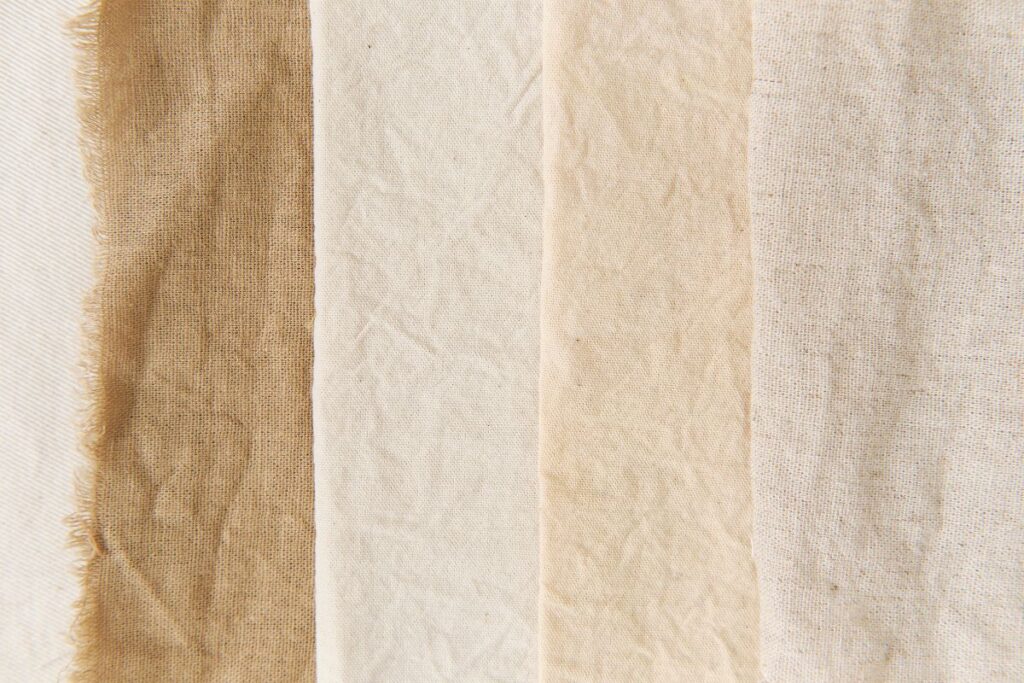
Hemp is 100% Biodegradable & Compostable
Unlike synthetic materials that pollute landfills and oceans, hemp products are biodegradable, breaking down naturally without harming the environment.
- Hemp fabrics decompose in weeks to months, compared to polyester, which lasts hundreds of years.
- Hemp plastics break down in just months, while traditional plastics last centuries.
- Hemp-based packaging & paper can be composted back into the earth.
Choosing hemp-based alternatives means less landfill waste, less pollution, and a healthier planet.
Why Businesses & Consumers Are Choosing Sustainable Materials Like Hemp
As sustainability becomes a priority for industries and shoppers, more businesses are investing in hemp for eco-conscious production. Hemp is now used in:
- Sustainable Fashion – Brands are replacing fast fashion materials with durable, breathable hemp fabrics.
- Biodegradable Packaging – Companies are reducing plastic waste with hemp-based packaging.
- Eco-Friendly Construction – Builders are using hempcrete for carbon-neutral buildings.
- Natural Skincare & Beauty – Hemp oil is packed with antioxidants, fatty acids, and vitamins for nourishing, sustainable skincare.
With its low environmental impact, carbon-absorbing abilities, and zero-waste potential, hemp is a future-proof material that aligns with global sustainability goals.
Does Your Product Use Sustainable Materials?
Hemp is one of the most eco-friendly and sustainable materials on the planet, and businesses using sustainable material alternatives deserve to be recognised!
Apply for the 2025 Sustainability Award and showcase your commitment to sustainability. Join innovative brands making a real impact with sustainable, biodegradable, and zero-waste materials.
- Gain global recognition for your sustainability efforts
- Build trust & credibility with conscious consumers
- Be part of a growing movement for a greener future
Don’t miss your chance to get recognised! Apply now and stand out as a leader in sustainable materials and innovation.
Awarding and amplifying exceptional sustainability
Apply Now
Get recognised as a sustainability leader.