Your cart is currently empty!

What Is Carbon Mitigation? Why It Matters for Businesses and Consumers
Understanding Carbon Mitigation and Why It’s Essential
The urgency of climate change has put carbon mitigation at the center of global sustainability efforts. What is carbon mitigation? It refers to the strategies and actions taken to reduce greenhouse gas emissions. With businesses, governments, and individuals seeking ways to reduce their carbon footprint, carbon mitigation plays a crucial role in limiting environmental damage and promoting a cleaner future.
But what exactly is carbon mitigation, and how does it differ from related concepts like carbon offsetting, carbon neutrality, and carbon-negative solutions? This guide explores what carbon mitigation means, different strategies, key challenges, and why minimizing emissions should always come before mitigating them.

What Is Carbon Mitigation?
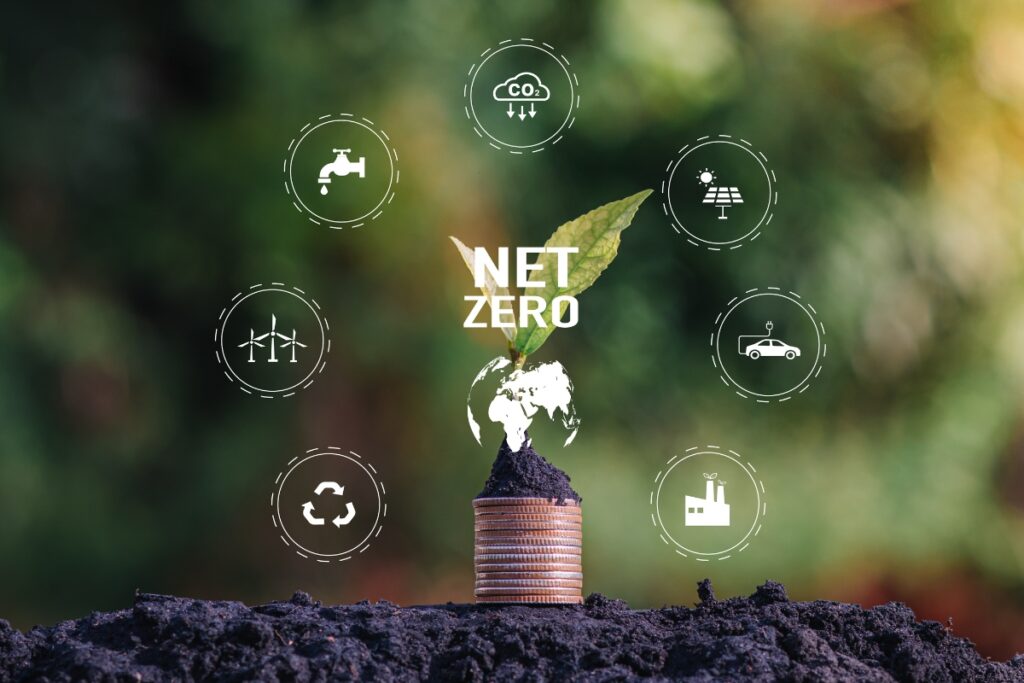
Carbon mitigation refers to actions taken to reduce, prevent, or counteract greenhouse gas emissions, particularly carbon dioxide (CO₂), which is a major driver of climate change. It involves:
- Reducing emissions at the source – Switching to renewable energy, improving energy efficiency, & cutting fossil fuel consumption.
- Capturing and storing carbon – Technologies and natural methods that absorb CO₂ from the atmosphere.
- Offsetting emissions – Compensating for unavoidable emissions by investing in environmental projects.
Carbon mitigation aims to balance emissions and actively reduce the overall amount of CO₂ in the atmosphere.
Key Terms Related to Carbon Mitigation
To fully understand carbon mitigation, it helps to clarify related terms often used in discussions about climate action.


1. Carbon Offsetting
A process where businesses or individuals compensate for their emissions by funding environmental projects, such as:
- Reforestation and afforestation (planting trees to absorb CO₂)
- Renewable energy projects (solar, wind, and hydropower)
- Methane capture from landfills and agriculture
While offsetting can help balance emissions, it should not be used as an excuse to continue emitting at the same rate.


2. Carbon Neutrality
A business or individual is carbon neutral when it offsets as much CO₂ as it emits, creating a net-zero carbon footprint.
- Achieved through emission reductions and high-quality offset programs.
- Many companies purchase carbon credits to claim carbon neutrality.

3. Carbon Negative (or Climate Positive)
Being carbon-negative means removing more carbon from the atmosphere than is emitted, creating a net environmental benefit.
- Example: A business removing 1.5 tons of CO₂ for every 1 ton emitted.
- Some companies, like Microsoft, are aiming to become carbon-negative by removing all their historic emissions.

4. Net-Zero Emissions
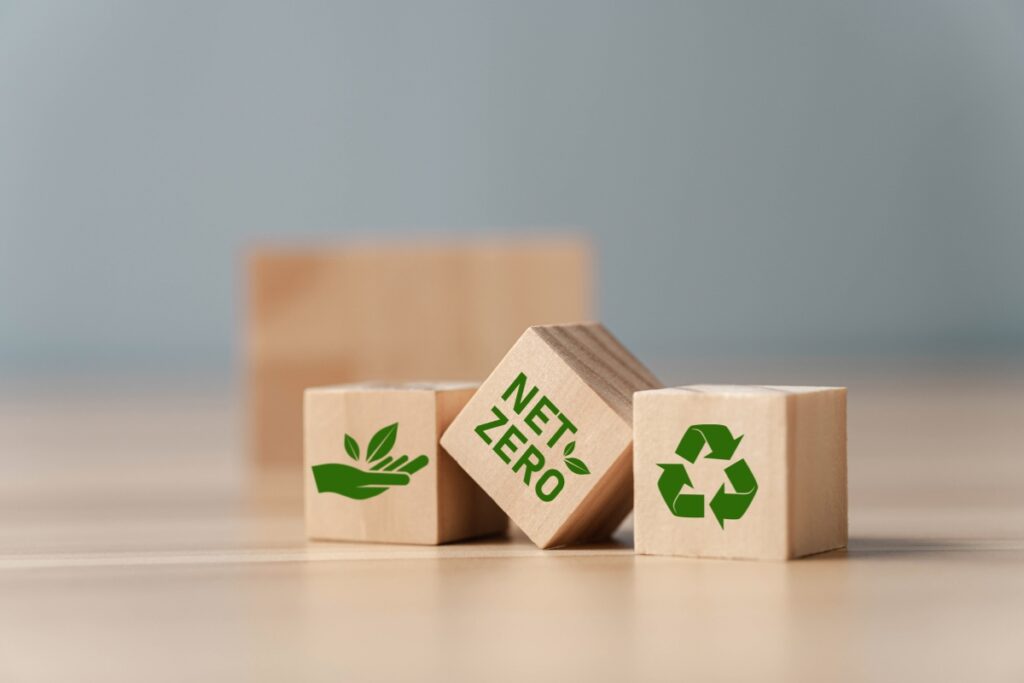
This refers to achieving an overall balance between greenhouse gases emitted and removed.
- A key goal of the Paris Agreement is to limit global warming to 1.5°C above pre-industrial levels.
- Requires deep emission cuts before relying on offsets.
Types of Carbon Mitigation Strategies
There are several strategies to lower carbon emissions, ranging from cutting-edge technologies to home treatments.
1. Tree Planting and Ecosystem Restoration: Nature-Based Solutions
Pros:
- absorbs CO2 naturally during photosynthesis.
- enhances biodiversity & restores environments
- reasonably priced & expandable
Cons:
- takes years for trees to reach full carbon absorption potential
- vulnerable to deforestation, wildfires, and illegal logging
Examples:
- Tree Nation – an online platform to reforest the world and fight climate change
- One Tree Planted – A nonprofit that plants trees worldwide.
- Eden Reforestation Projects – Large-scale tree planting to restore forests.
2. Renewable Energy Adoption
Emissions are considerably decreased by switching to hydroelectric, solar, and wind power.
Pros:
- Eliminates reliance on fossil fuels
- Lowers energy costs over time
- Reduces carbon footprint permanently
Cons:
- High initial investment costs
- Infrastructure limitations in some regions
3. Carbon Capture and Storage (CCS)
Technology that stores CO₂ underground after absorbing it from industrial pollutants.
Pros:
- Able to extract significant amounts of CO₂ from industrial and power plants
- Reduces emissions while permitting the continued use of fossil fuels.
Cons:
- Expensive to implement at scale
- Still in the early stages of widespread adoption
4. Energy Efficiency Improvements 💡
Using less energy to perform the same tasks reduces emissions.
Pros:
- Immediate impact with simple changes (LED lighting, efficient appliances, smart grids)
- Reduces costs and carbon footprint simultaneously
Cons:
- Effectiveness depends on long-term adoption
- Some industries require high energy usage regardless of efficiency improvements
Key Challenges and Considerations in Carbon Mitigation
While carbon mitigation is critical, it also faces challenges that need to be addressed:
- Greenwashing Risks: Some companies exaggerate their sustainability efforts by claiming to be carbon neutral while making minimal reductions.
- Offset Quality: Not all carbon offset projects are effective or properly monitored.
- Delayed Action: Some businesses focus too much on offsetting emissions rather than reducing them at the source.
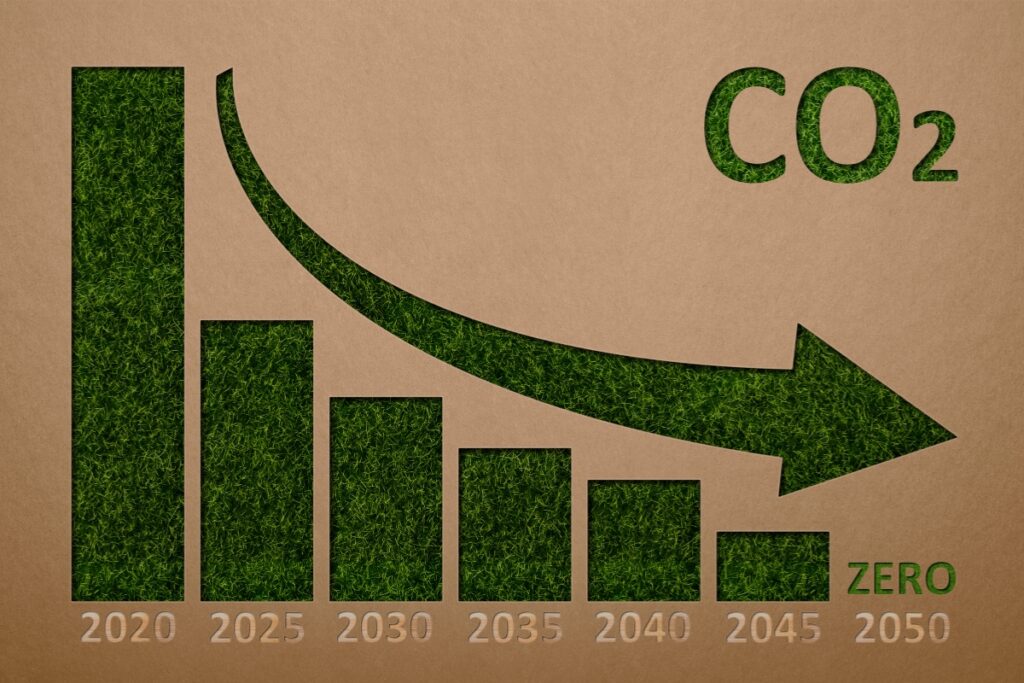

Why Businesses and Consumers Must Prioritize Emission Reduction First
While offsetting emissions and carbon mitigation strategies are important, they should never replace direct emission reductions.
The Best Approach for Businesses and Consumers:
- Minimize emissions first – Use renewable energy, cut waste, and improve efficiency.
- Invest in sustainable operations – Choose low-carbon supply chains and circular economy practices.
- Then mitigate remaining emissions—use carbon offsets and tree planting as the final step, not the first.
Businesses can make a real impact on climate action by reducing emissions at the source and then investing in high-quality carbon mitigation projects.
Does Your Business Focus on Carbon Mitigation? Get Recognized
If your business is committed to carbon reduction, sustainability, or climate-positive initiatives, it is time to showcase your impact.
Apply for the 2025 Sustainability Award and gain global recognition for your sustainability efforts.
- Get featured among top sustainability leaders.
- Build trust and credibility with conscious consumers.
- Be part of a growing movement toward a greener future.
Do not miss your chance to be seen across the globe. Apply today and make a difference.
Receive special offers from the best eco brands
Conscious consumers
Register for exclusive offers & giveaways from our winning sustainable products and services in your region.