Your cart is currently empty!
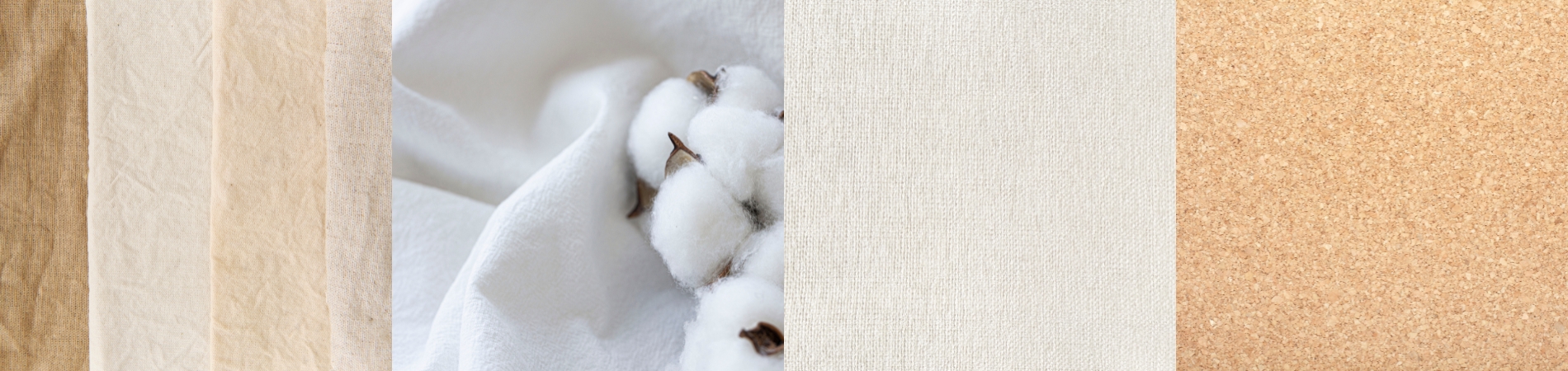
What Are the Most and Least Sustainable Fabrics?
A Checklist of What to Look for in Sustainable Fabrics
Our clothing has a big influence on the environment, but when it comes to sustainable fabrics, not all materials are made equally. Making educated decisions on sustainable textiles requires an understanding of the production, processing, and disposal of various materials. Sustainability isn’t always clear-cut—factors such as production methods, water usage, biodegradability, and recyclability all play a role.
🟢 The Most Sustainable Fabrics
The fabrics in this section are almost always the best most sustainable choice, but it’s important to know what to look for.
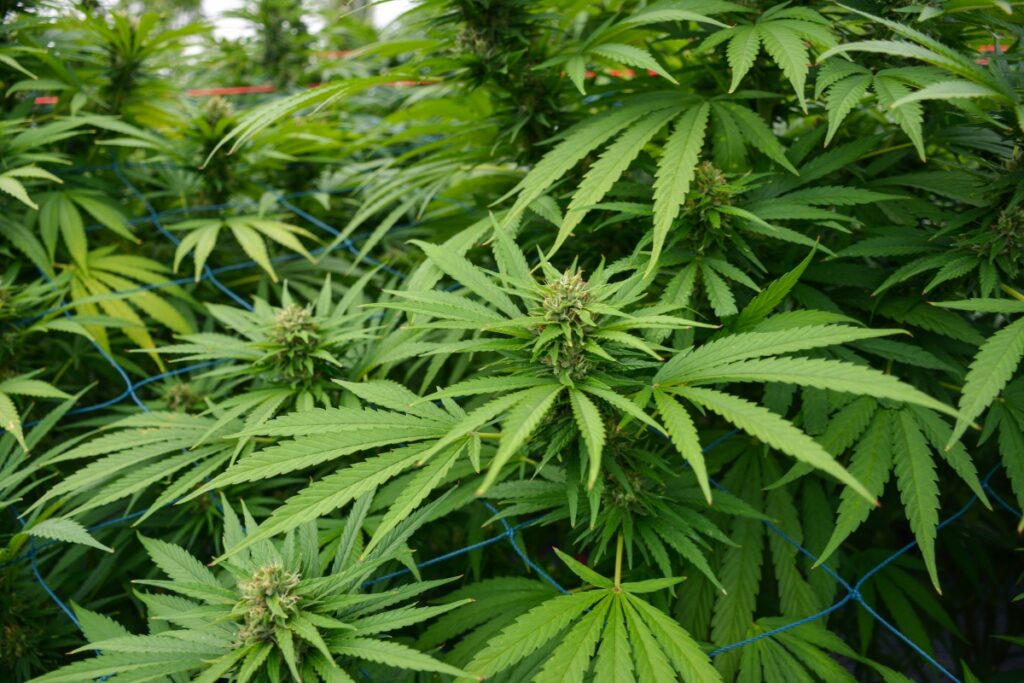
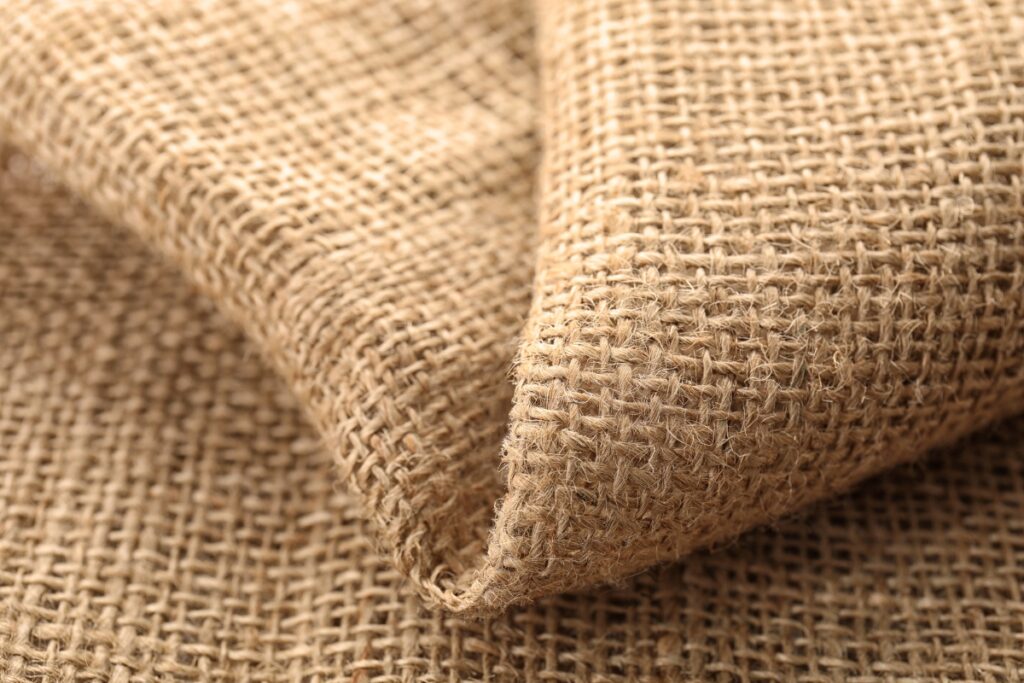
Hemp
Hemp is a highly sustainable fabric that grows quickly without pesticides, requires minimal water, and produces durable, biodegradable textiles perfect for eco-friendly fashion.
Pros:
- Requires little water and no pesticides to grow.
- Regenerates the soil by returning nutrients.
- Becomes softer with washing, extending its lifespan.
Cons:
- Some manufacturers use chemical-intensive processing methods.
- Can be more expensive than conventional fabrics.
Sustainability Verdict: Most sustainable when organically grown and processed without excessive chemicals.
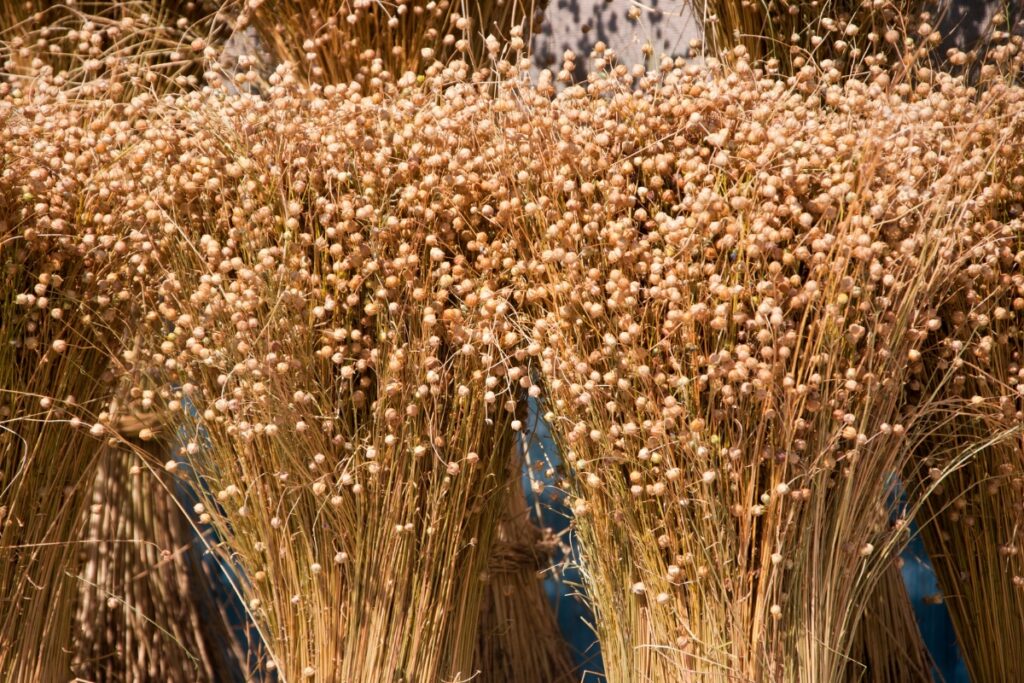
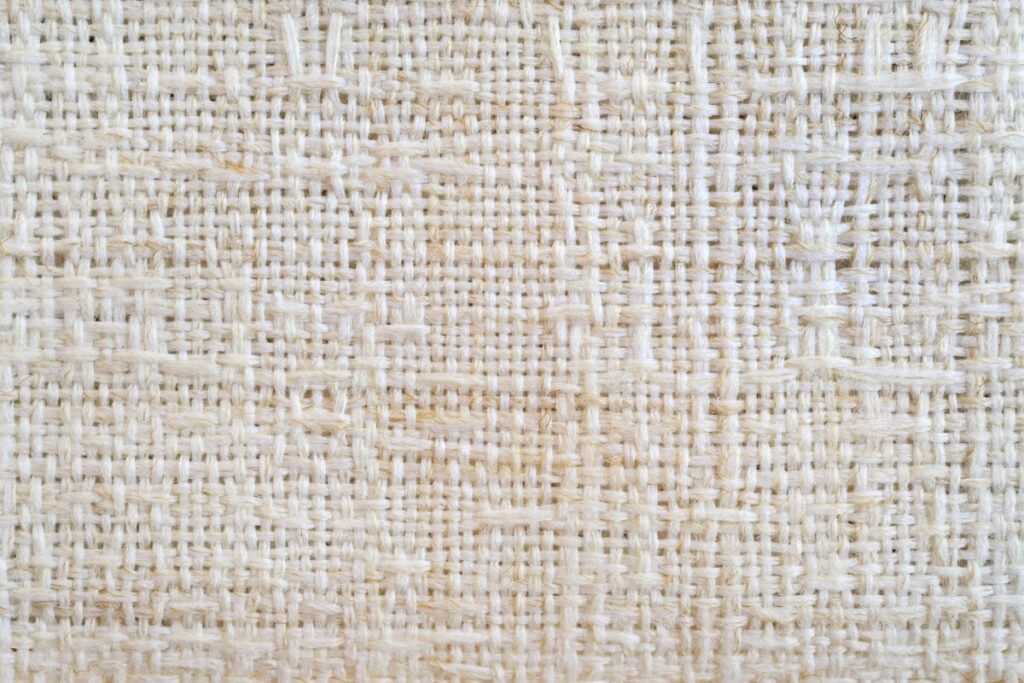
Linen
Linen, made from the flax plant, is a biodegradable and durable fabric that requires less water and pesticides than cotton, making it a sustainable choice for fashion and home textiles.
Pros:
- Derived from flax, which grows with minimal water and pesticides.
- Fully biodegradable when untreated.
- Naturally durable and breathable.
Cons:
- Can be processed using chemical-intensive methods.
- Wrinkles easily, sometimes requiring chemical treatments.
Sustainability Verdict: Most sustainable when un-dyed or organically processed.


Cork
Cork material is often used for bags and shoes, and can be a fantastic eco-friendly alternative to pleather or leather.
Pros:
- Harvested from tree bark without cutting down trees.
- Naturally water-resistant and durable.
- Fully biodegradable and recyclable.
Cons:
- Less widely available compared to other textiles.
- Limited use in mainstream fashion.
Sustainability Verdict: A great alternative to leather with a minimal environmental footprint.
🟠 Can Be Sustainable Depending on Production Methods
These fabrics are a good sustainable choice if they are sourced and made in the right way, so be aware of what to look out for.
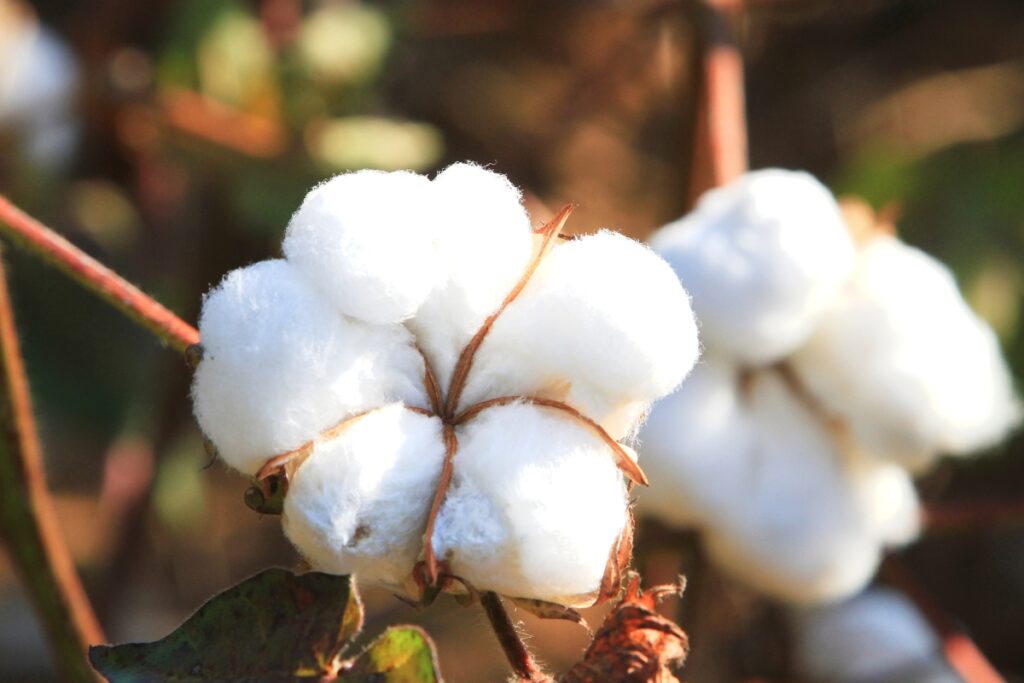
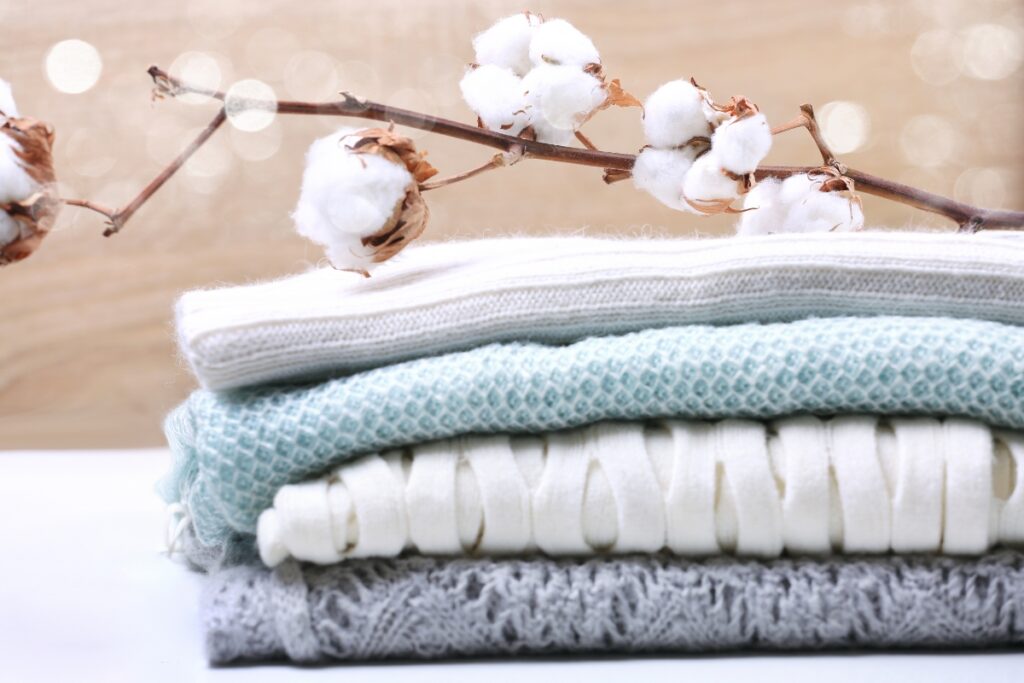
Cotton – OrganiC IS BEST
Organic cotton is grown without synthetic pesticides or fertilizers, using less water and promoting healthier soil, making it a more sustainable alternative to conventional cotton.
Pros:
- Grown without synthetic pesticides or fertilizers.
- Requires less water than conventional cotton.
- Biodegradable and compostable.
Cons:
- Still requires significant land and water use.
- Certification processes can be inconsistent.
Sustainability Verdict: A better alternative to conventional cotton but can still be resource-intensive.
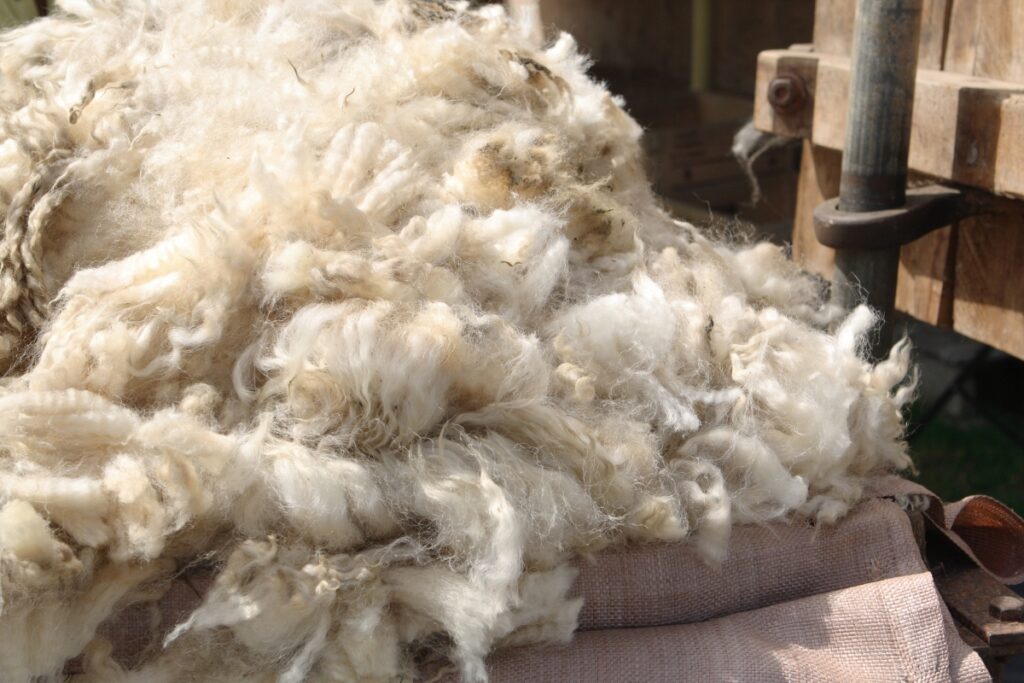
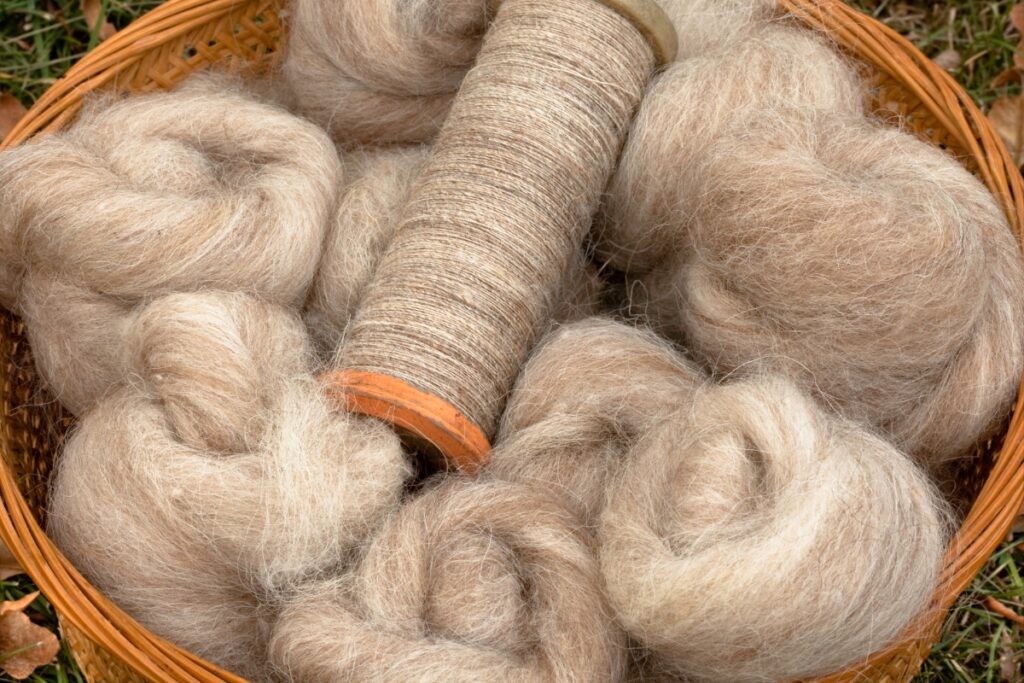
WOOL
Wool is a natural, biodegradable fiber known for its durability and insulation, with sustainable options available through ethical sourcing and regenerative farming practices.
Pros:
- Naturally insulating and breathable.
- Biodegradable and renewable.
- Can be sourced regeneratively to support soil health.
Cons:
- Conventional wool production can be resource-intensive.
- Ethical concerns regarding animal welfare.
- Some processing methods involve harsh chemicals.
Sustainability Verdict: Opt for regenerative or recycled wool to ensure a lower environmental impact.
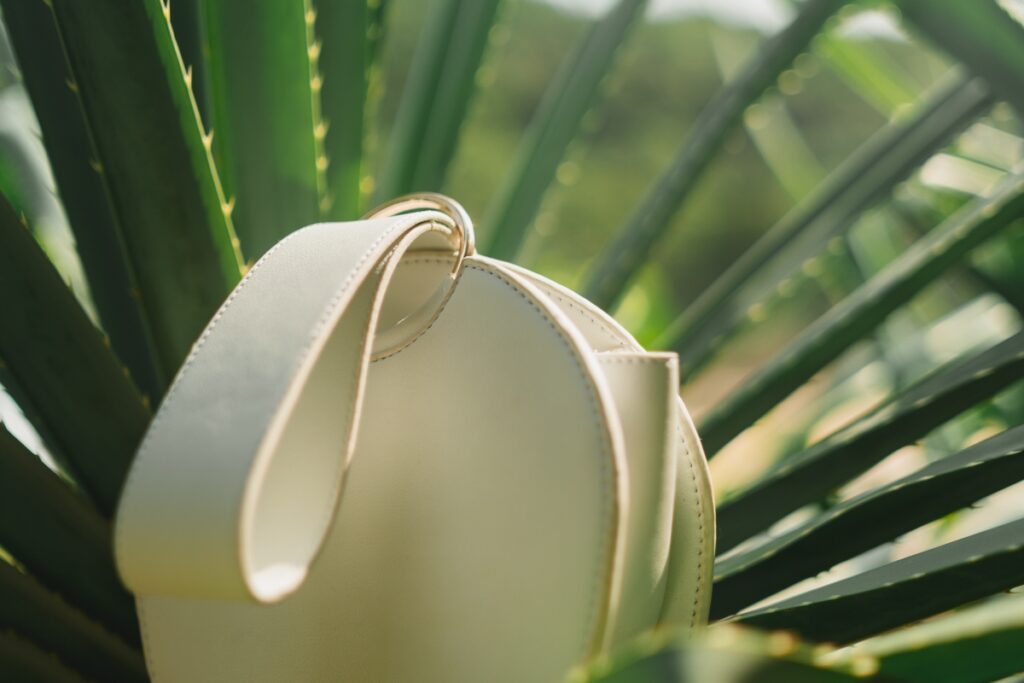
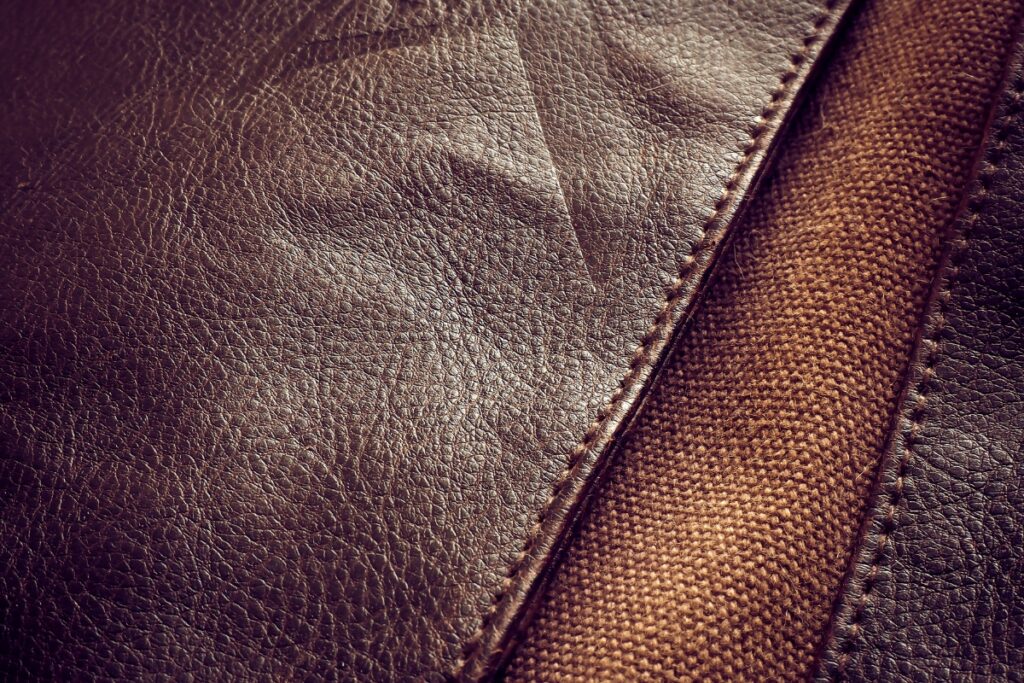
LEATHER
Leather is a durable and long-lasting material, but its sustainability depends on ethical sourcing, eco-friendly tanning processes, and alternatives like recycled or plant-based leather.
Pros:
- Extremely durable and long-lasting.
- Can be sourced as a byproduct of the meat industry, reducing waste.
- Biodegradable when not treated with toxic chemicals.
Cons:
- Traditional tanning methods involve harmful chemicals.
- The livestock industry has high carbon and water footprints.
- Vegan leather alternatives can sometimes be plastic-based.
Sustainability Verdict: Look for vegetable-tanned, regenerative, or recycled leather for the best environmental choice.
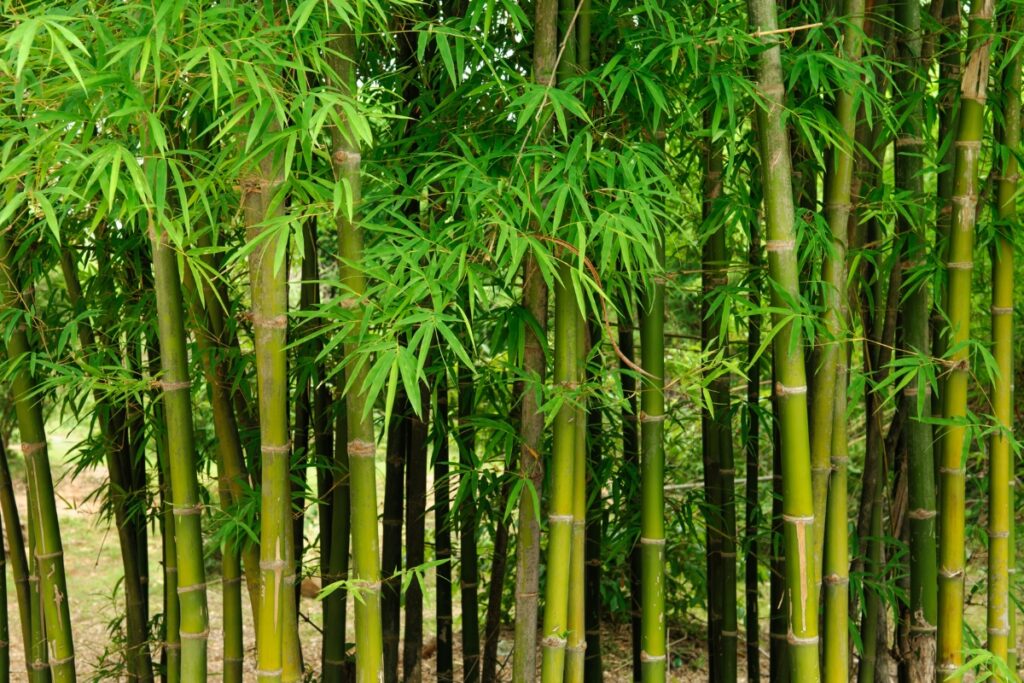
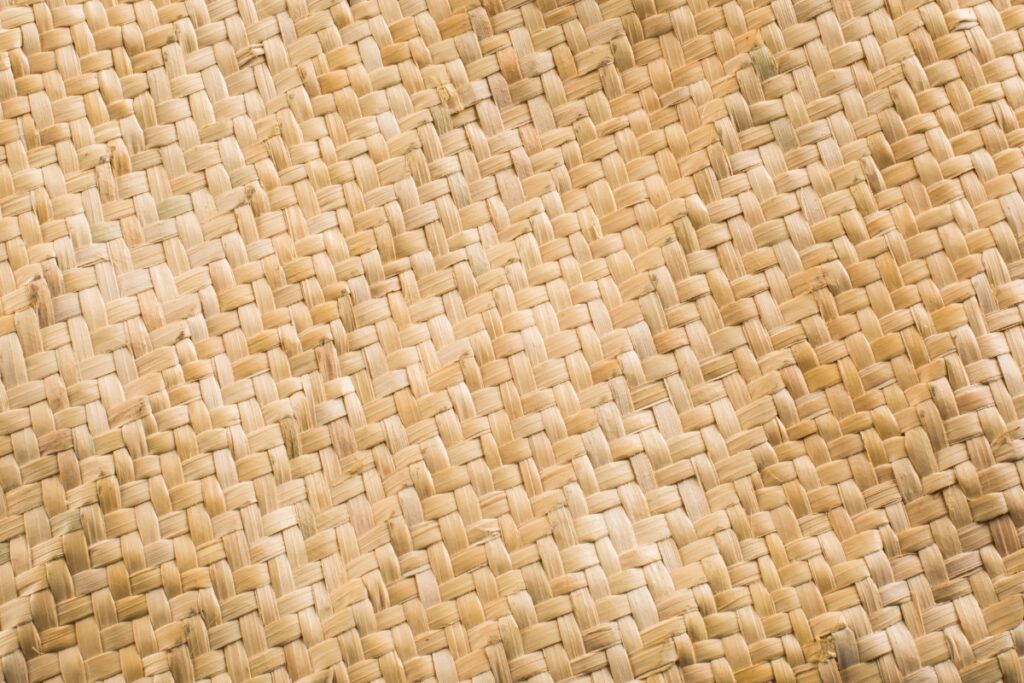
BAMBOO
Bamboo fabric is naturally breathable and biodegradable, but its sustainability depends on whether it’s processed mechanically or chemically into textiles.
Pros:
- Fast-growing and requires little water.
- Can be processed into fabric mechanically with minimal chemicals.
- Naturally antibacterial and biodegradable.
Cons:
- Most bamboo fabric is processed chemically, similar to rayon.
- Large-scale bamboo farming may contribute to deforestation.
- Certification for sustainable bamboo is still developing.
Sustainability Verdict: Bamboo linen (mechanically processed) is a great choice, but chemically processed bamboo should be avoided.
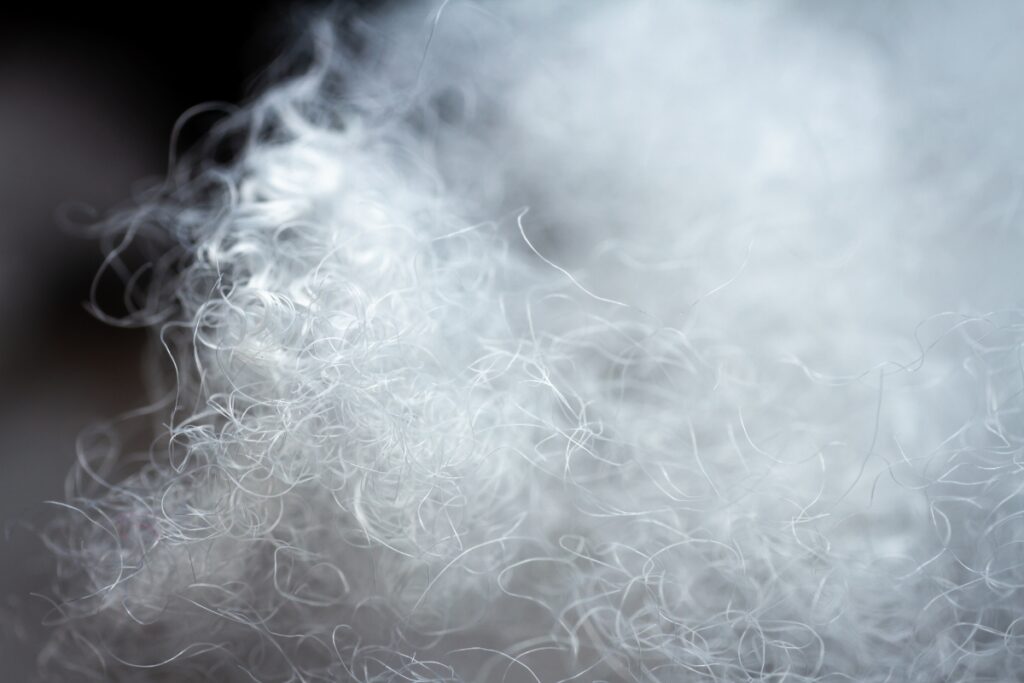
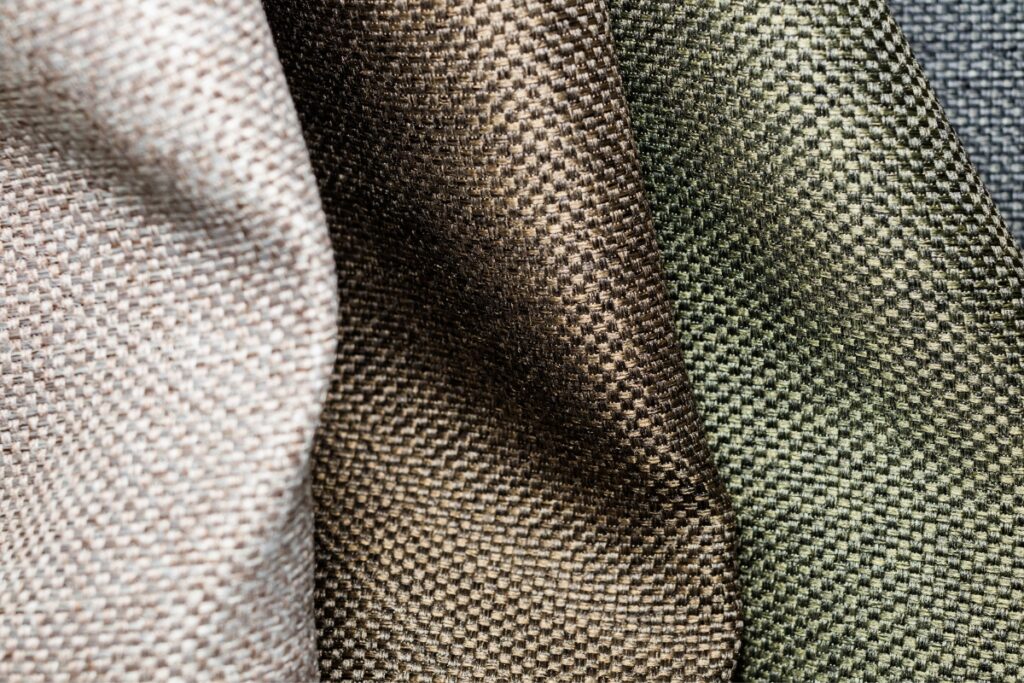
Recycled Polyester (rPET)
Recycled polyester gives new life to plastic waste by transforming it into durable fabric, reducing landfill waste and the need for virgin petroleum-based fibers.
Pros:
- Gives a second life to plastic waste, reducing landfill overflow.
- Requires less energy than virgin polyester.
- Can be recycled multiple times.
Cons:
- Still releases microplastics during washing.
- Eventually degrades and becomes non-recyclable.
Sustainability Verdict: A solid alternative to virgin polyester but should be used in long-lasting, infrequently washed garments or accessories.
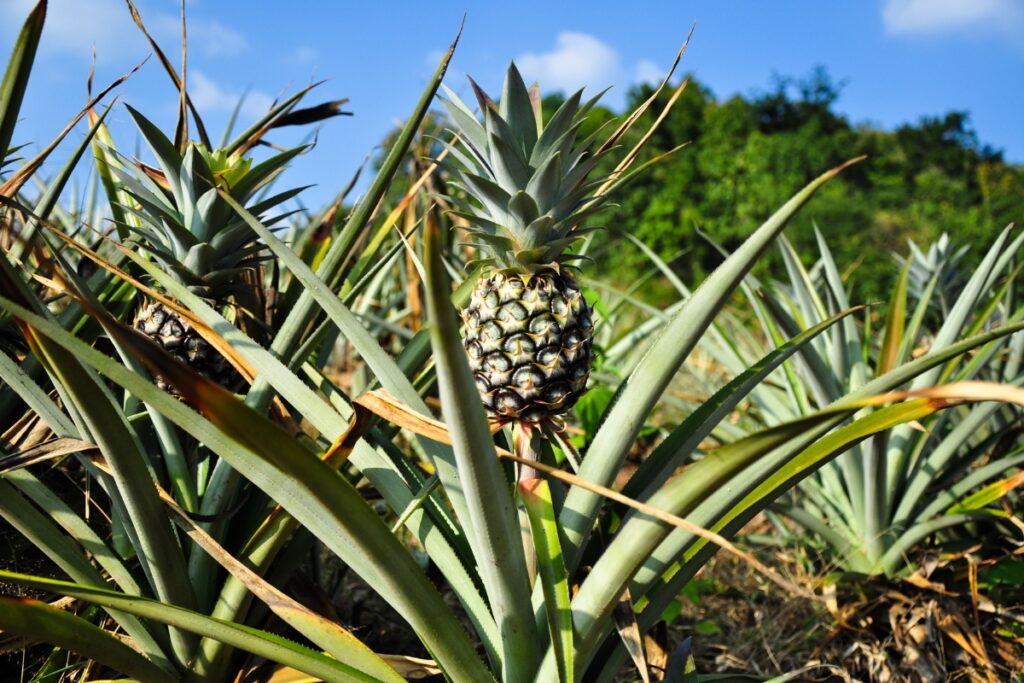
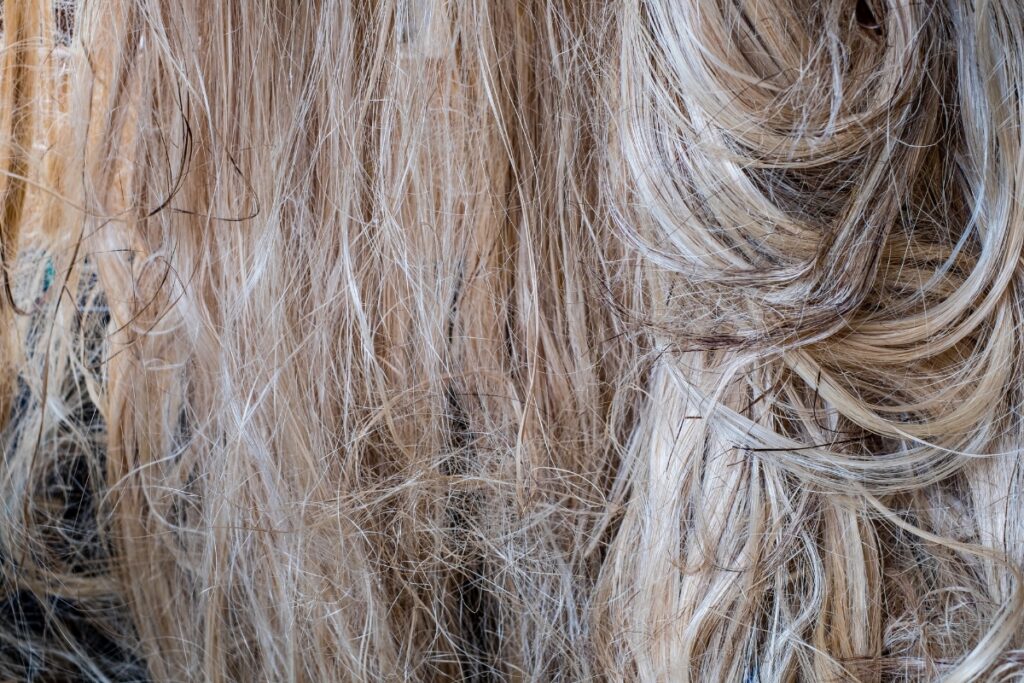
Piñatex (Pineapple Leather Alternative)
Piñatex is a sustainable, leather-like fabric made from pineapple leaf fibers, offering an eco-friendly alternative to animal leather while utilizing agricultural waste.
Pros:
- Made from agricultural waste (pineapple leaves), reducing waste.
- Vegan-friendly alternative to leather.
- Uses a closed-loop chemical processing system.
Cons:
- Contains a small percentage of petroleum-based components, making it non-biodegradable.
- Large-scale production could encourage monocropping and deforestation.
Sustainability Verdict: More sustainable than traditional leather but should be improved to eliminate petroleum-based elements.
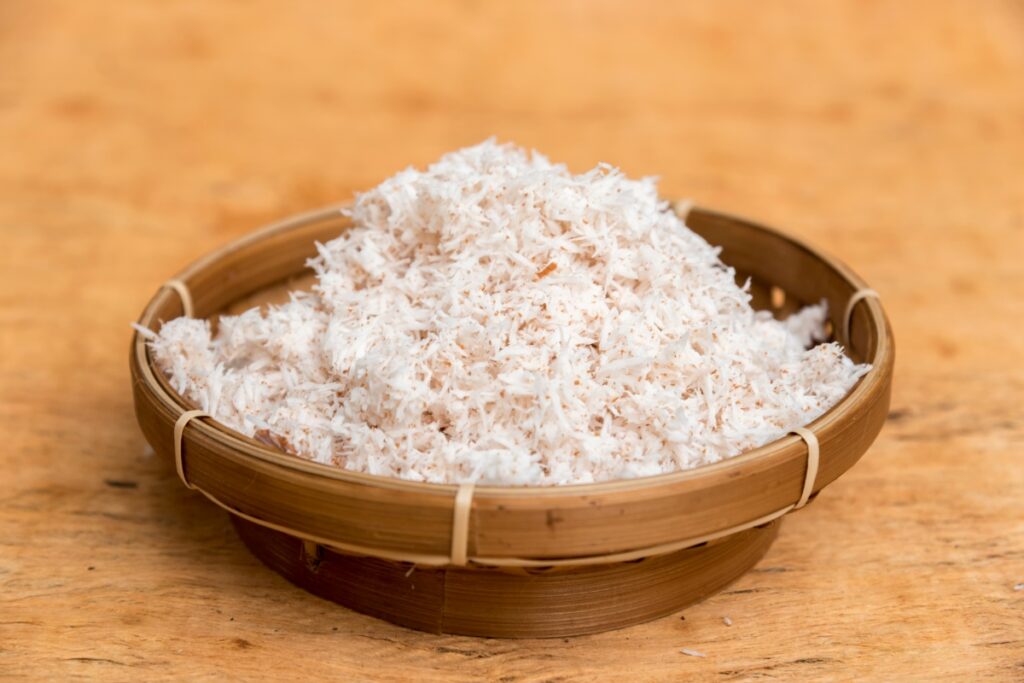
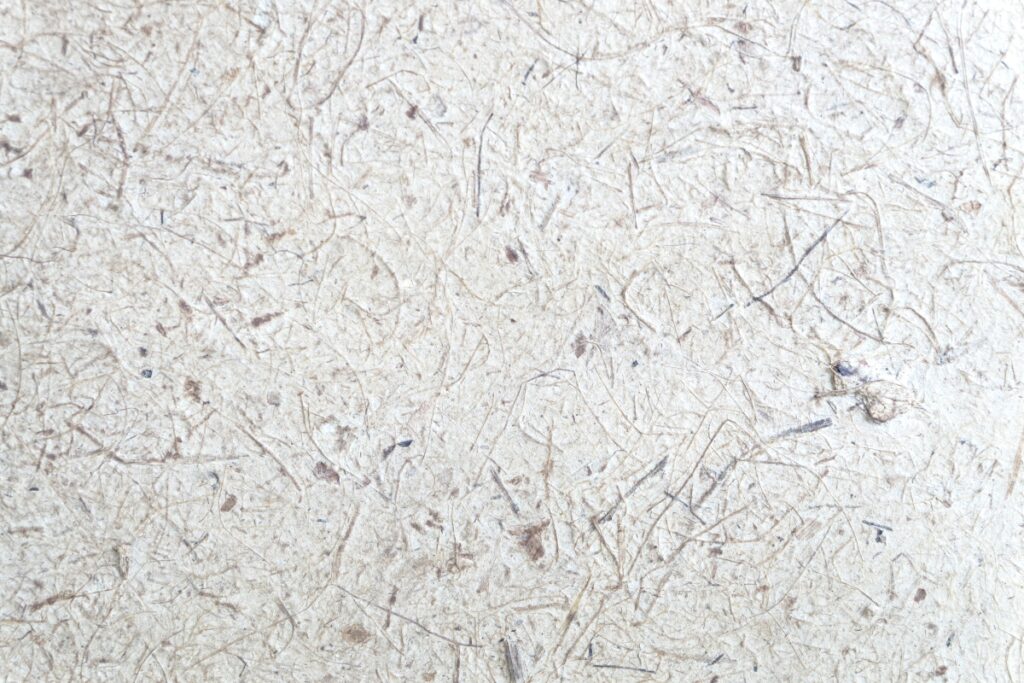
Tencel (Lyocell)
Tencel, derived from sustainably sourced wood pulp, is a biodegradable fabric known for its softness, breathability, and sustainable closed-loop production process.
Pros:
- Made from sustainably sourced wood pulp.
- Uses a closed-loop process that recycles almost all solvents.
- Fully biodegradable.
Cons:
- More expensive than conventional rayon.
- Still requires tree farming, which impacts biodiversity.
Sustainability Verdict: A great alternative to rayon if sourced from responsibly managed forests.
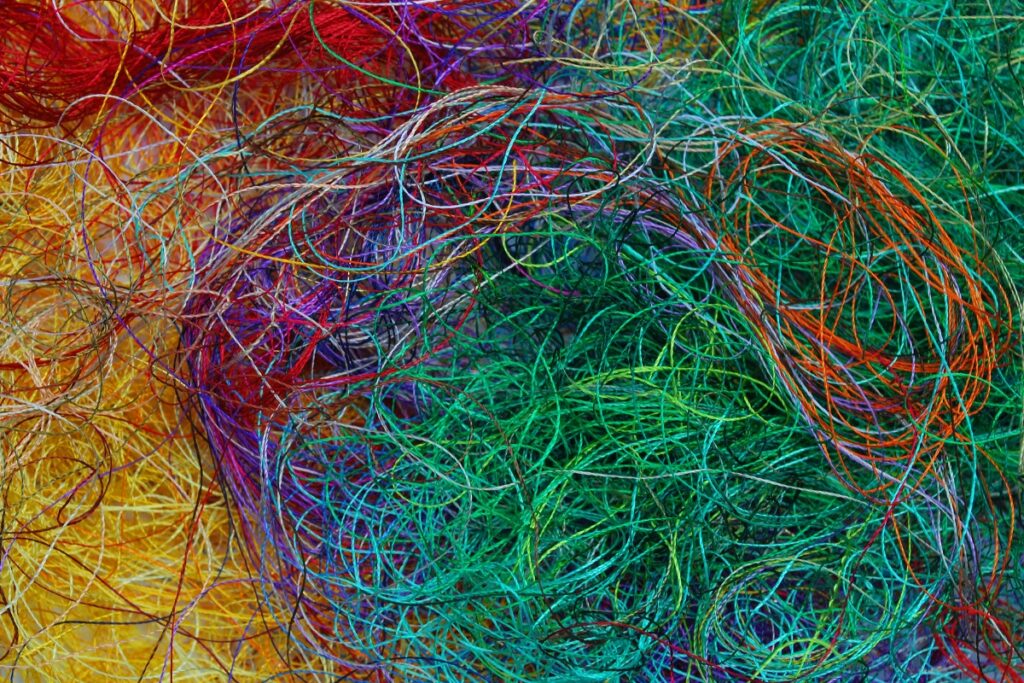
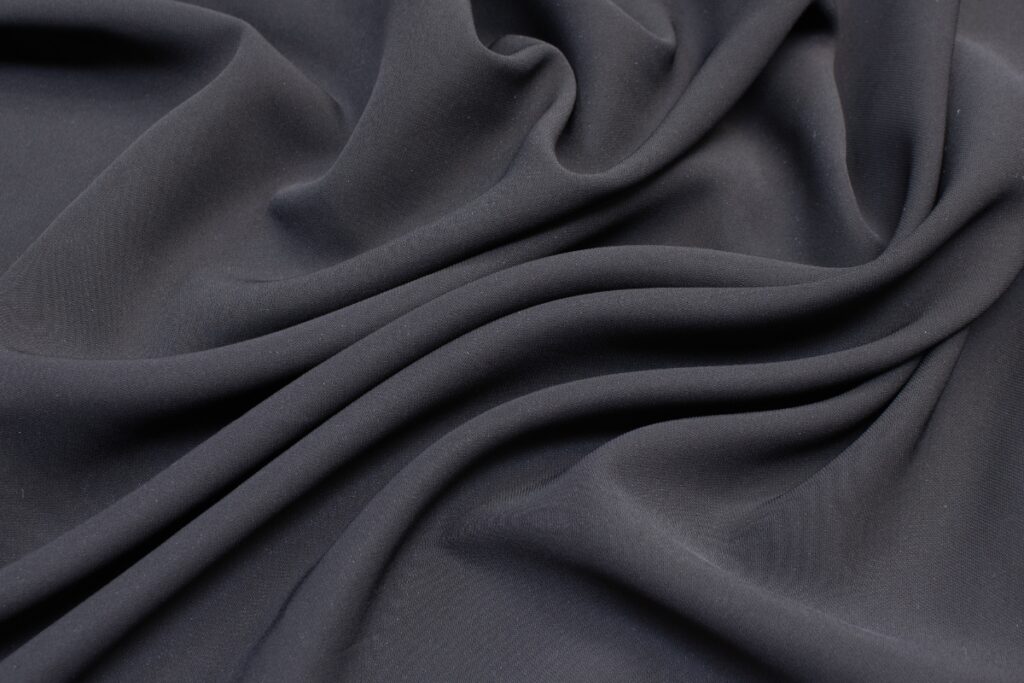
Rayon (Viscose, Modal)
Rayon is a semi-synthetic fabric made from wood pulp, offering a smooth, breathable texture and a more sustainable option compared to other synthetic fibers, as it can be produced from renewable resources.
Pros:
- Derived from plant cellulose.
- Soft and breathable.
Cons:
- Can be produced using energy-intensive and chemical-heavy methods.
- Linked to deforestation and habitat destruction.
Sustainability Verdict: Sustainable when made using closed-loop processes with responsible sourcing (e.g. FSC certified).
🔴 The Least Sustainable Fabrics
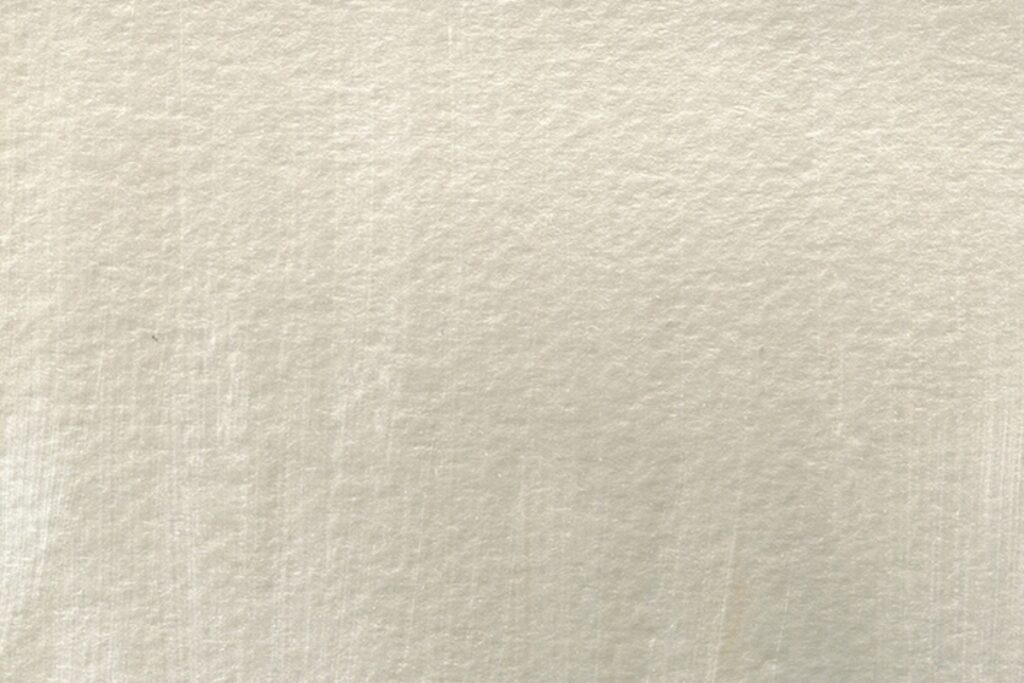
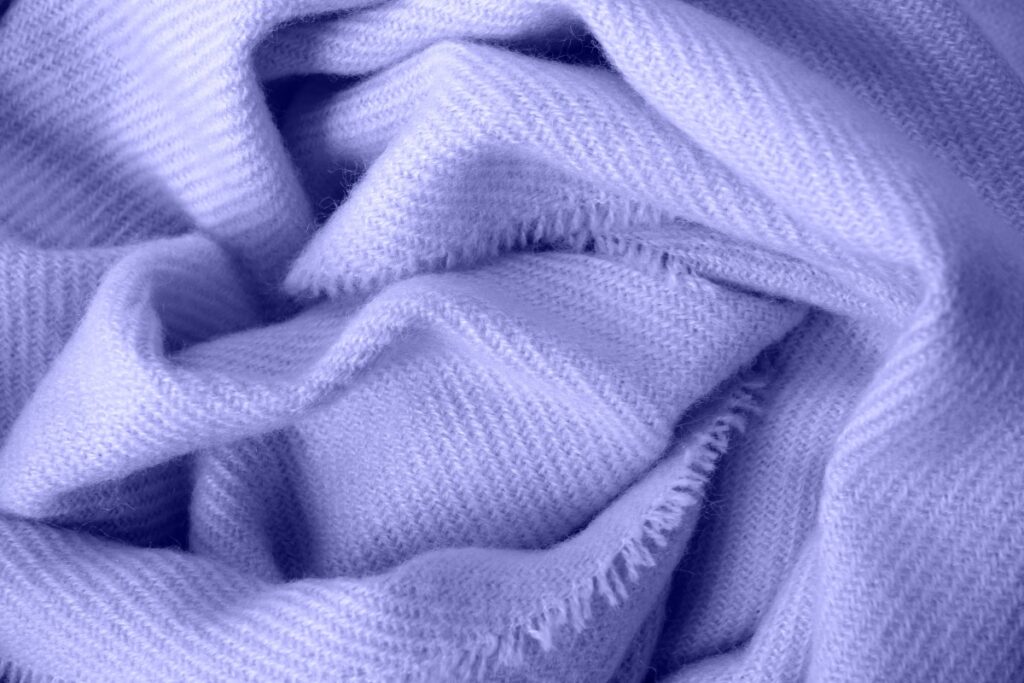
Acrylic
Acrylic is a lightweight, durable fabric made from synthetic fibers, offering a long-lasting alternative to natural materials while being versatile in fashion and home textiles.
Pros:
- Lightweight and warm.
- Often used as a cheaper alternative to wool.
Cons:
- Non-biodegradable and sheds microplastics.
- Toxic chemicals used in the manufacturing process are bad for the environment and workers.
Sustainability Verdict: Not a sustainable choice due to high environmental impact.
Nylon
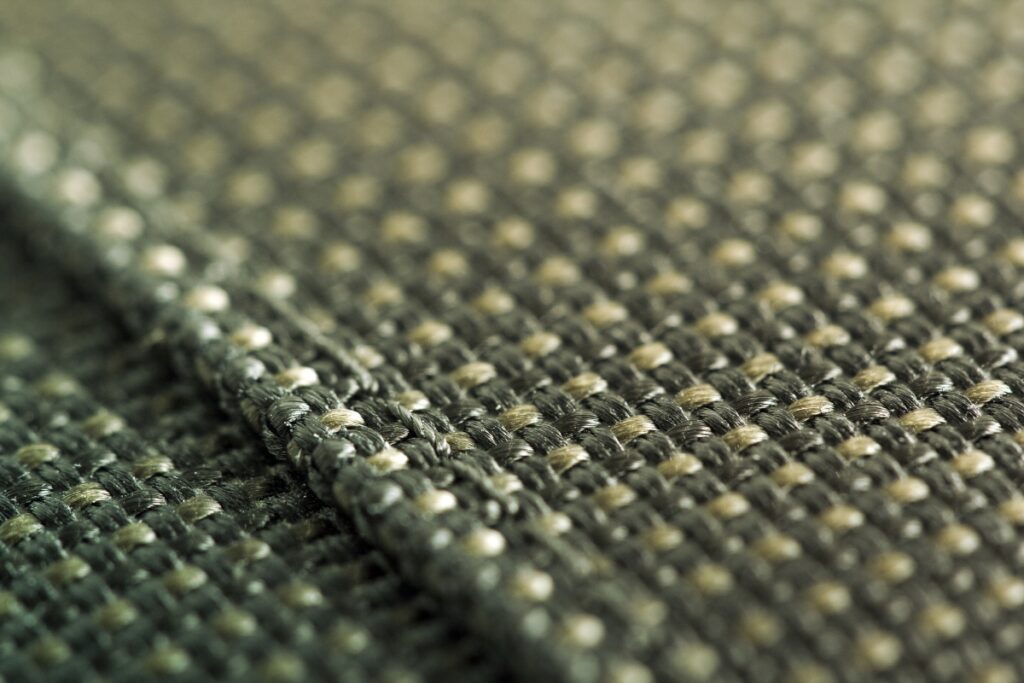
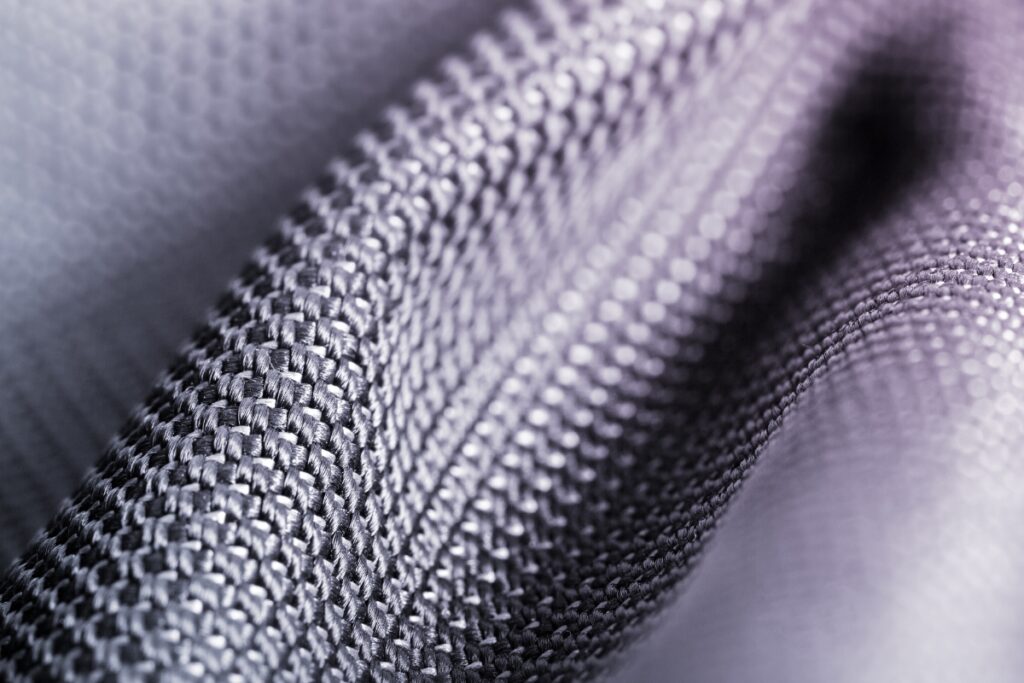
Nylon, a strong and versatile synthetic fabric, is known for its durability and resistance to wear, though its environmental impact can be reduced through recycled nylon options.
Pros:
- Strong and stretchy.
- Used in activewear and accessories.
Cons:
- Derived from fossil fuels and contributes to high emissions.
- Releases microplastics.
- Not biodegradable.
Sustainability Verdict: Best avoided unless using recycled alternatives like Econyl.
Making Informed Choices About Sustainable Fabrics
There is no one-size-fits-all answer when it comes to fabric sustainability. The impact of a material depends on:
- How it is grown or sourced.
- The manufacturing process and chemicals used.
- Its longevity and recyclability.
- The way it is disposed of.
Whenever possible, opt for natural, organic, or recycled fabrics that are responsibly sourced and produced. Making mindful choices in what we wear is one of the easiest ways to reduce our environmental impact—one garment at a time.
Does Your Business Use Sustainable Materials? Get Recognized!
If your business is committed to sustainable materials, whether fashion, household or other fabrics, it is time to showcase your impact.
Apply for the 2025 Sustainability Award and gain global recognition for your sustainability efforts.
- Get featured among top sustainability leaders.
- Build trust and credibility with conscious consumers.
- Be part of a growing movement toward a greener future.
Do not miss your chance to be seen across the globe. Apply today and make a difference.
Elevate your impact
Apply for a Global Sustainability Award
Get recognised internationally as a sustainability leader.
Applying is quick, free and easy.