
Your cart is currently empty!
Is Glass a Sustainable Packaging Choice?
Exploring the pros and cons of glass as a sustainable packaging choice
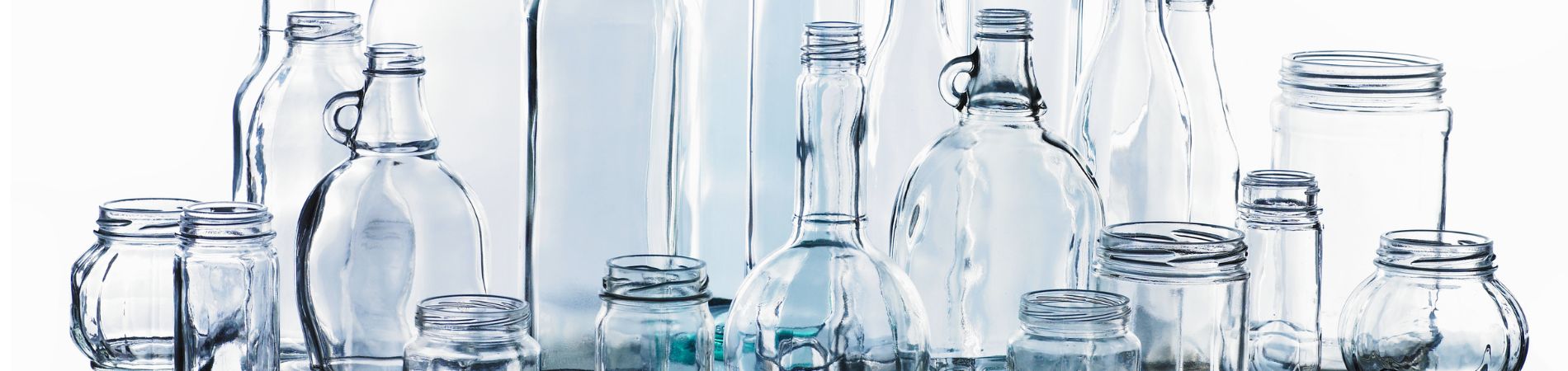
Sustainability is at the forefront of packaging innovation, with companies and consumers seeking the best materials to reduce environmental impact. Glass has long been used as a packaging material for food, beverages, cosmetics, and pharmaceuticals, but is it truly a sustainable option? Here are the advantages and challenges of using glass as a packaging material, its recyclability, and its overall impact on the environment.


What Makes a Packaging Material Sustainable?
To assess whether glass is a sustainable packaging choice, it’s important to understand what makes a material environmentally friendly. Sustainable packaging should:
- Have a low environmental footprint in terms of production and disposal.
- Be reusable or easily recyclable.
- Reduce waste and pollution.
- Be safe for both human health and the environment.
Glass meets all of these criteria, making it an attractive choice, but it also has drawbacks that need consideration.
The Environmental Benefits of Glass Packaging
1. 100% Recyclability
One of the strongest arguments for glass as a sustainable packaging material is its recyclability. Unlike plastics, which degrade in quality after multiple recycling processes, glass can be recycled indefinitely without losing purity or strength. This makes it one of the most circular packaging materials available.
2. Reusability
Glass is highly durable and can be reused multiple times before recycling. Many businesses encourage the return and refill of glass containers, reducing the need for single-use packaging. Refillable glass bottles, for example, can be reused up to 50 times before being recycled.
3. Non-Toxic and Chemical-Free
Glass does not contain harmful chemicals like BPA or phthalates, which are often found in plastics. This makes it a safer choice for food and beverage packaging, ensuring that no toxic substances leach into products.
4. Made from Natural Materials
Glass is primarily made from sand, soda ash, and limestone, which are abundant natural resources. Unlike plastic production, which relies on fossil fuels, glass manufacturing does not involve synthetic chemicals that contribute to pollution.


The Challenges of Glass as a Sustainable Packaging Choice
Due to its durability and high recyclability, glass is a sustainable packaging choice, but what are the drawbacks?
1. Energy-Intensive Production
While glass is recyclable, its production requires extremely high temperatures, leading to significant energy consumption. The process of melting raw materials to create new glass emits carbon dioxide, contributing to greenhouse gas emissions.
2. Heavy Weight and Transport Emissions
Glass is heavier than plastic and metal packaging, which increases transport costs and carbon emissions. Heavier shipments require more fuel, making distribution less environmentally friendly compared to lightweight alternatives like aluminium or plastic.
3. Fragility and Breakage Risks
Glass is more fragile than other packaging materials, leading to a higher likelihood of breakage during transport and handling. This can result in waste, as damaged goods need to be replaced, increasing overall environmental impact.

How to Make Glass Packaging More Sustainable
While glass has clear environmental benefits, there are ways to further enhance its sustainability:
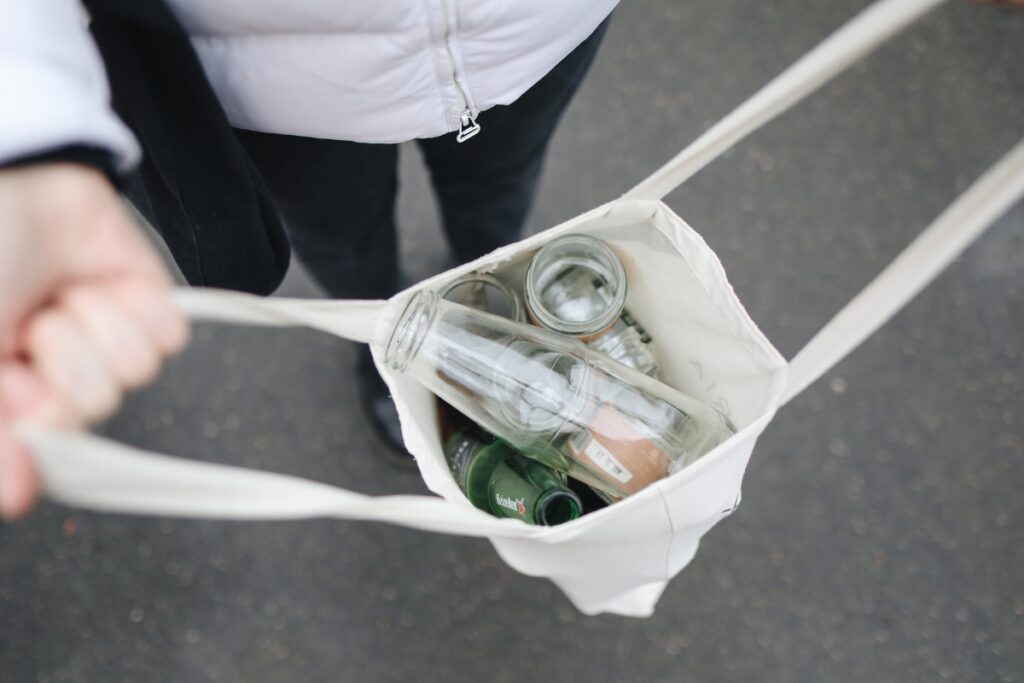
- Encourage reuse – Implement refill schemes to reduce single-use glass waste, and reduce the need to transport multiples times.
- Increase recycling rates – Governments and companies should invest in better glass recycling infrastructure.
- Use recycled glass – Producing glass from recycled materials (cullet) reduces energy consumption by up to 30%.
- Optimise packaging design – Lighter glass bottles and jars can lower transportation emissions.
Is Glass a Sustainable Packaging Choice?
So overall, is Glass a Sustainable Packaging Choice? Glass is one of the most sustainable packaging materials available on balance, thanks to its recyclability, reusability, and non-toxic properties. While its high energy consumption during production and weight-related transport emissions present challenges, these can be minimised with refill and reuse systems, lightweight design and carbon neutral shipping.
For businesses looking to adopt more sustainable packaging, glass remains a strong contender—especially when reuse and recycling initiatives are in place. Companies that prioritise recycled content, invest in lightweight glass, and promote circular economy practices can make glass an even more environmentally friendly packaging solution.
Does Your organisation Use Sustainable Packaging? Get Recognised
If your organisation is committed to sustainable packaging solutions, including glass or other eco-friendly materials, it’s time to gain recognition.
Apply for the 2025 Sustainability Award and showcase your impact on environmental responsibility.
- Get featured among top sustainability leaders.
- Build trust and credibility with conscious consumers.
- Be part of the movement towards a waste-free future.
Elevate your impact
Apply for a Global Sustainability Award
Get recognised internationally as a sustainability leader.
Applying is quick, free and easy.