Your cart is currently empty!

Green Packaging: How Sustainable Brands Are Reducing Waste
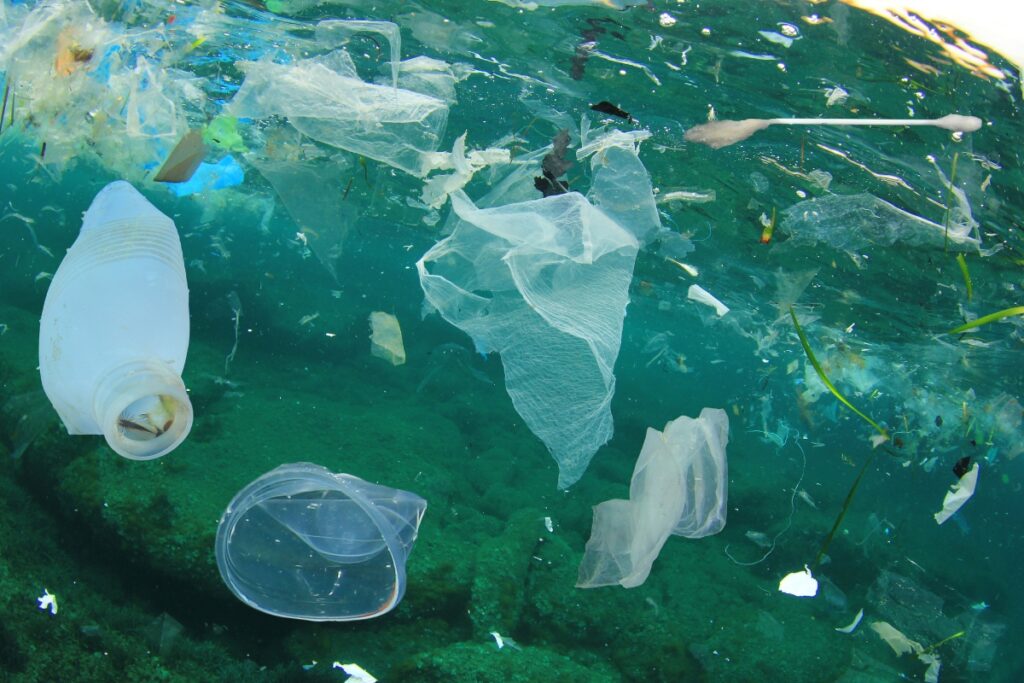
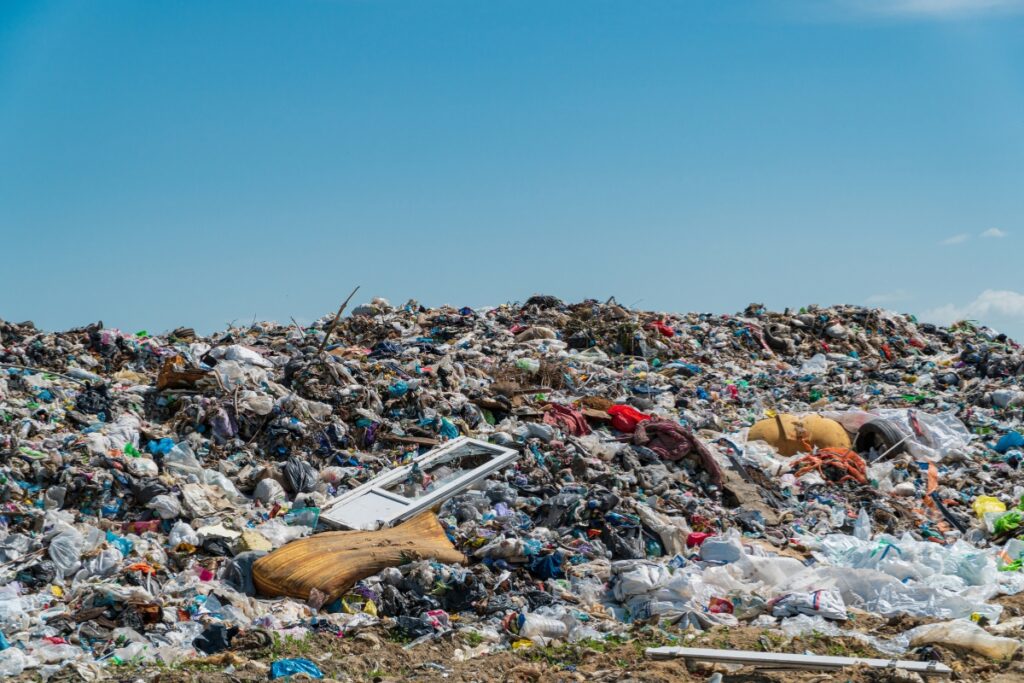
Packaging plays a critical role in modern commerce, from food and beverages to fashion and technology. However, traditional packaging, often made of single-use plastics and non-recyclable materials, is a major contributor to environmental pollution. Every year, over 300 million tonnes of plastic waste are generated globally, much of it ending up in landfill or oceans.
For businesses leading in sustainability, green packaging offers an opportunity to reduce their environmental footprint while appealing to eco-conscious consumers. From biodegradable materials to minimalist design and circular economy solutions, sustainable packaging is the future of responsible business. Brands in industries such as sustainable fashion are also embracing eco-friendly packaging, reinforcing their commitment to reducing waste and promoting ethical practices.
The Environmental Impact of Traditional Packaging
Conventional packaging has long-lasting effects on the environment:
- Plastic Pollution: Around 40% of all plastic produced is used for packaging, often discarded after a single use.
- Carbon Footprint: Producing plastic packaging emits significant amounts of greenhouse gases.
- Landfill Overflow: Non-recyclable packaging takes hundreds of years to decompose.
- Harm to Marine Life: Microplastics from packaging end up in oceans, affecting marine ecosystems.
With increasing consumer awareness and stricter regulations, brands that fail to adopt sustainable packaging risk falling behind in a rapidly evolving market.
What is Green Packaging?
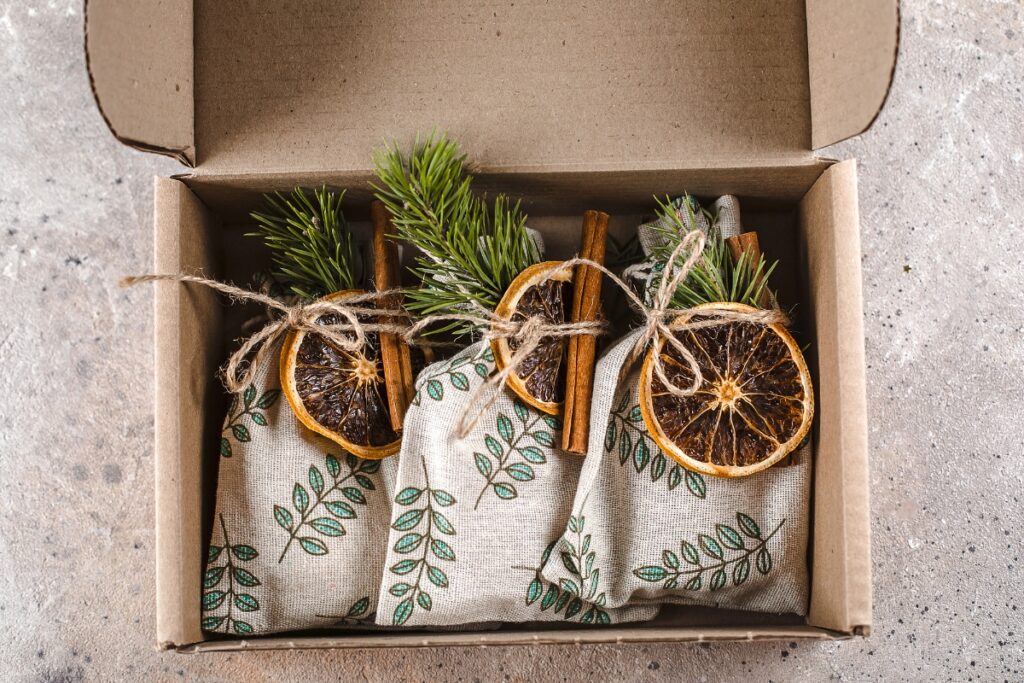
Green packaging, also known as sustainable or eco-friendly packaging, prioritises materials and design choices that reduce waste and environmental impact. Key principles include:
- Using renewable, recyclable, or biodegradable materials.
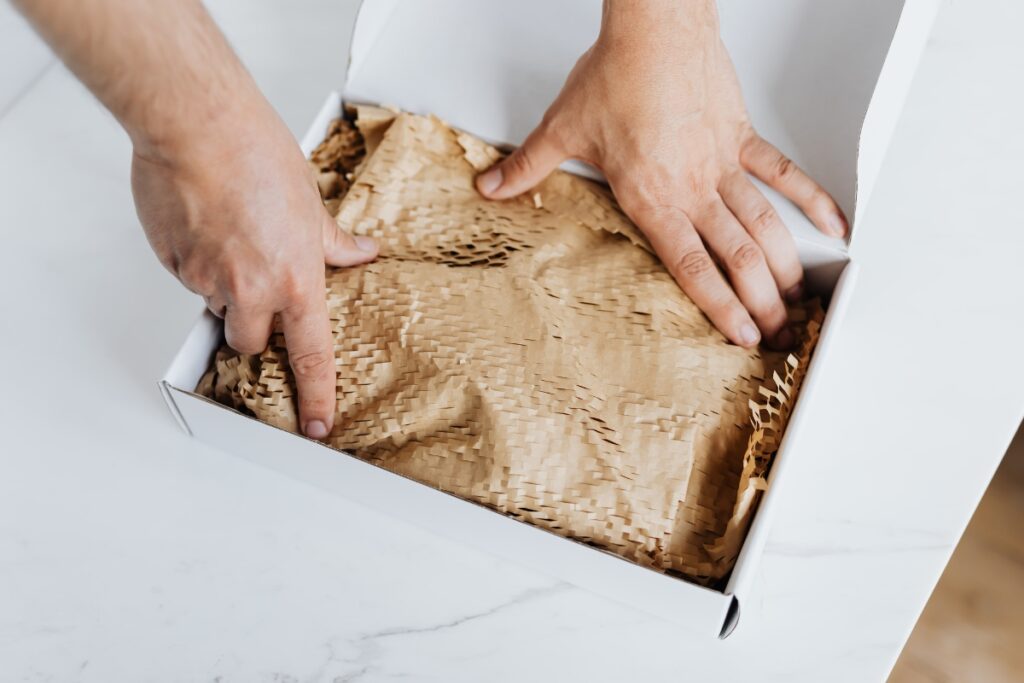
- Minimising excess packaging to reduce material waste.
- Emphasising compostable and reusable packaging for a circular economy approach.
Innovative Sustainable Packaging Solutions
Businesses adopting green packaging are implementing creative solutions, including:
1. Biodegradable & Compostable Packaging
Materials such as mushroom-based packaging, seaweed-based wrappers, and cornstarch bioplastics decompose naturally without harming the environment. These alternatives replace traditional plastics, offering low-impact waste solutions.
2. Recycled & Upcycled Materials
Many brands are shifting towards packaging made from post-consumer recycled (PCR) plastics, cardboard, and paper. This approach reduces the demand for virgin materials while giving waste a second life.
3. Minimalist & Zero-Waste Packaging
Brands are reducing unnecessary packaging elements, opting for simple, functional designs that minimise waste. This trend is particularly strong in industries such as beauty, fashion, and food, where eco-conscious consumers prefer less material usage.
4. Reusable & Refillable Packaging
Companies are introducing packaging that customers can return, refill, or repurpose, cutting down on single-use waste. Examples include:
- Refillable glass bottles for personal care products
- Reusable tote bags replacing plastic shopping bags
- Food containers made from durable, returnable materials
Why Green Packaging Matters for Businesses
Sustainable packaging isn’t just good for the planet—it’s a smart business move. Consumers today expect brands to take responsibility for their environmental impact:
✅ Brand Loyalty: 67% of consumers prefer products with sustainable packaging.
✅ Regulatory Compliance: Governments worldwide are tightening packaging regulations.
✅ Cost Efficiency: Using fewer materials and renewable sources can reduce long-term expenses.
✅ Competitive Edge: Sustainable brands attract eco-conscious customers and investors.
How to Transition to Green Packaging
If your business wants to adopt sustainable packaging, consider these steps:
- Assess Your Current Packaging: Identify materials that can be replaced with eco-friendly alternatives.
- Choose the Right Sustainable Materials: Opt for biodegradable, recyclable, or compostable options.
- Redesign for Minimal Waste: Use lightweight, compact designs to reduce material use.
- Educate Consumers: Provide clear disposal instructions on packaging to ensure proper recycling or composting.
- Partner with Sustainable Suppliers: Work with companies that prioritise ethical and green production practices.
The Role of the Sustainability Award
At the Sustainability Award, we recognise organisations that lead in sustainable innovation. Companies implementing green packaging solutions are setting a higher standard for the industry, proving that environmental responsibility and business success can go hand in hand.
If your business is making an impact through sustainable packaging, we encourage you to apply for the 2025 Sustainability Award and showcase your leadership in environmental change.
Want to stay updated on the 2025 Sustainability Award? Follow us for the latest news and industry insights!
Elevate your impact
Apply for a Global Sustainability Award
Get recognised internationally as a sustainability leader.
Applying is quick, free and easy.