Your cart is currently empty!
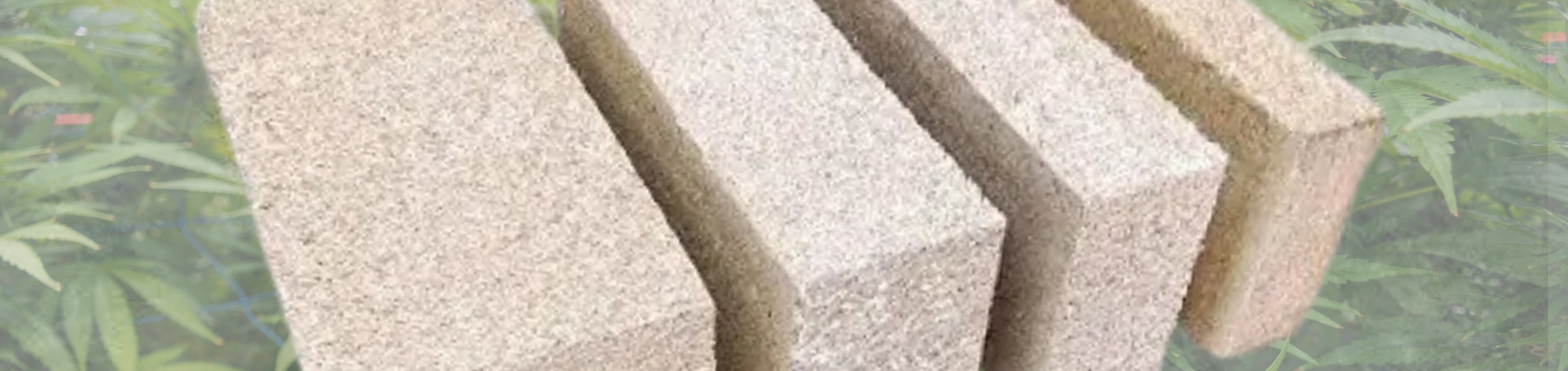
Hempcrete: The Future of Sustainable Construction
The building sector is one of the biggest causes of carbon emissions and environmental damage. Cutting-edge materials like hempcrete are revolutionizing sustainable construction. Hempcrete is becoming a popular, long-lasting, and environmentally beneficial substitute for conventional concrete as a result of the pressing need for sustainable, energy-efficient structures.
But what exactly is hempcrete, and why is it considered one of the most sustainable building materials available today?
What Is Hempcrete?
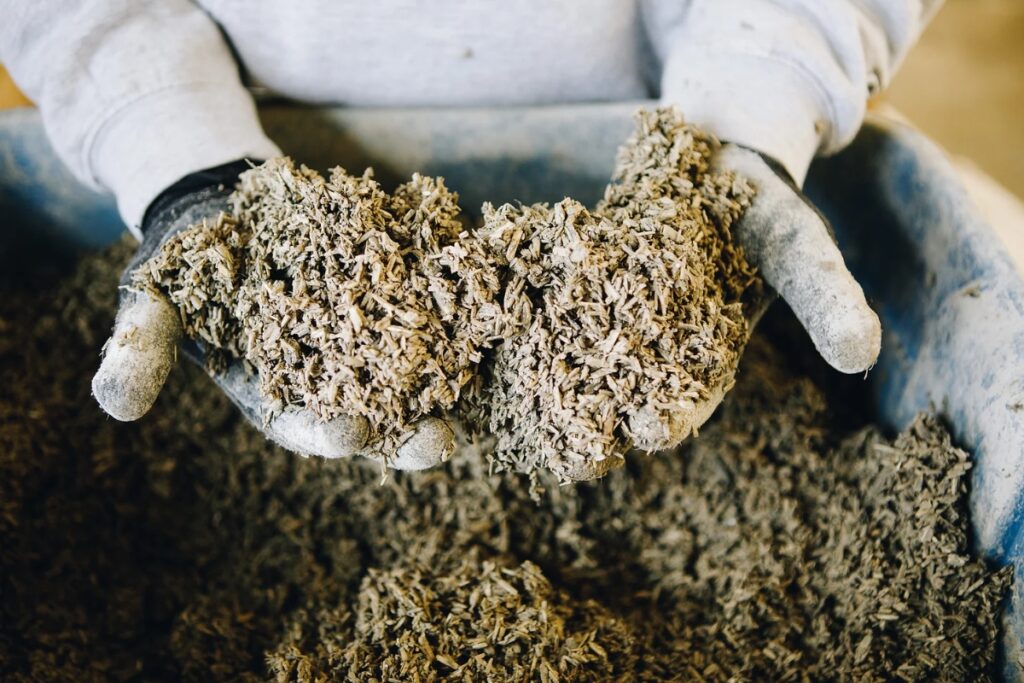
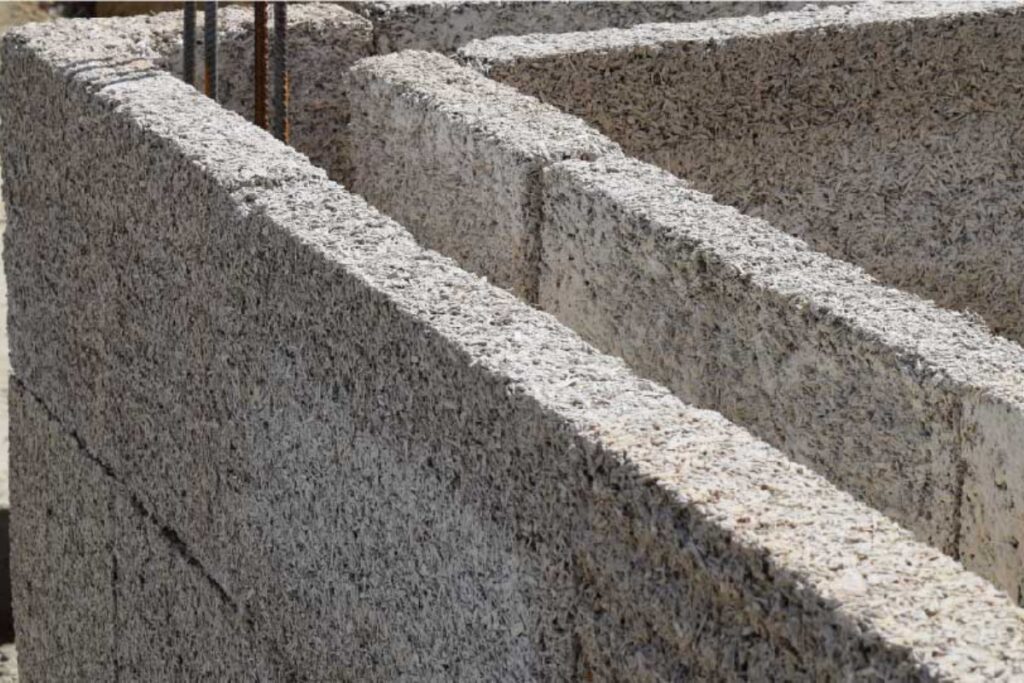
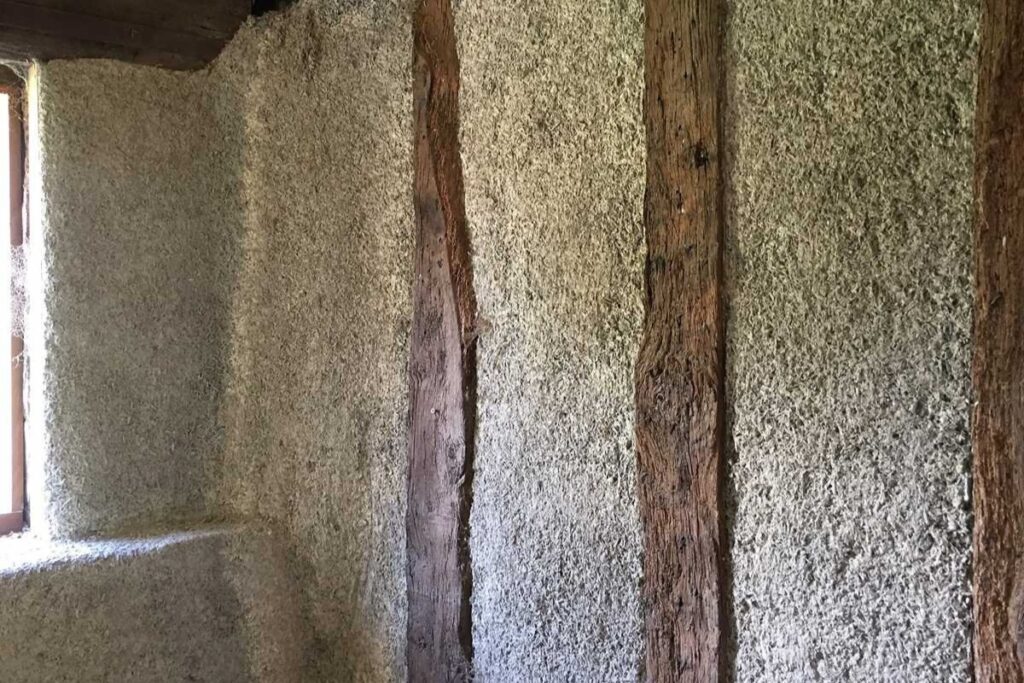
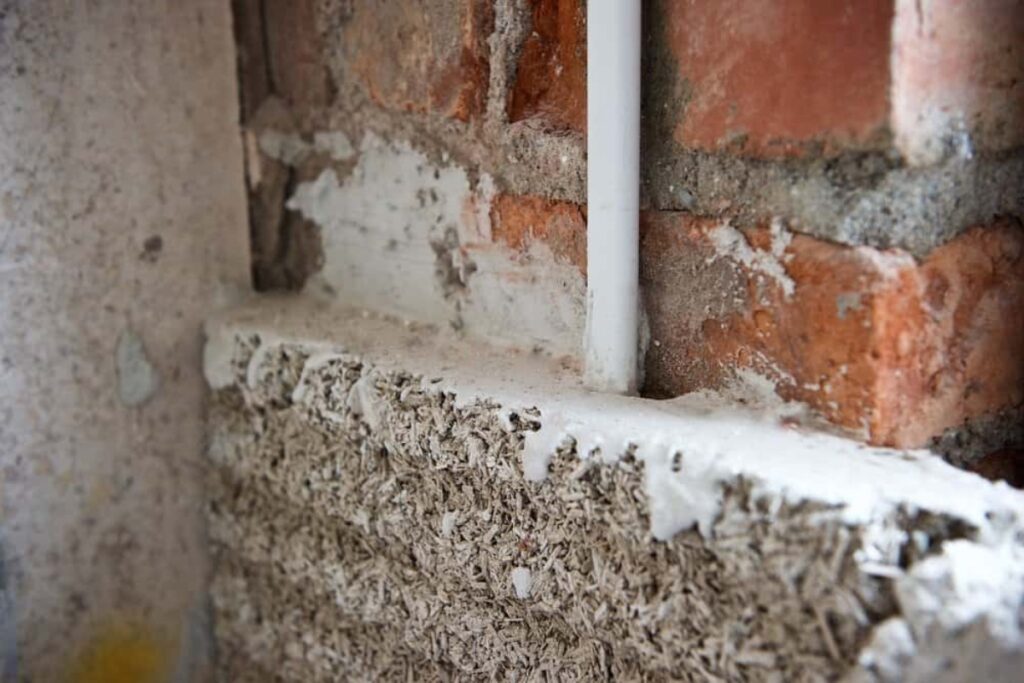
Hempcrete is a biocomposite material made from hemp hurds (the woody core of the hemp plant), water, and a lime-based binder. When mixed, this combination creates a lightweight, breathable, and insulating building material that offers significant environmental benefits.
Unlike traditional concrete, which is made from cement, sand, and gravel, hempcrete is:
- Carbon-negative – It absorbs more carbon dioxide during its lifecycle than it emits.
- Non-toxic and free from synthetic chemicals – Unlike conventional insulation materials, hempcrete does not release harmful VOCs (volatile organic compounds).
- Breathable and mold-resistant – It regulates humidity naturally, preventing mold growth.
Hempcrete is used for walls, floors, and insulation in residential and commercial construction, offering a healthier, more sustainable way to build.
Why Is Hempcrete Great for Sustainable Construction?
Hempcrete is widely regarded as one of the most eco-friendly building materials due to its low carbon footprint, natural composition, and long-term durability. Here are the key reasons why:
1. Carbon Sequestration and Low Environmental Impact
Hempcrete is carbon-negative because hemp plants absorb a lot of carbon dioxide (CO₂) during their growing cycle. This indicates that it eliminates CO₂ from the atmosphere rather than adding to emissions.
- Traditional cement production is responsible for nearly 8% of global CO₂ emissions, while hempcrete actually helps reduce CO₂ levels.
- A single cubic meter of hempcrete absorbs approximately 165kg of CO₂ during its lifetime.
2. Superior Insulation and Energy Efficiency
Hempcrete provides exceptional thermal insulation, reducing the need for heating and cooling, and is especially well-suited to passive solar design.
- Keeps buildings warm in winter and cool in summer, lowering energy consumption.
- Has higher thermal mass than conventional insulation, meaning it retains heat and releases it slowly, making homes more energy-efficient.
- Reduces reliance on air conditioning and heating systems, significantly cutting energy costs and emissions.
3. Excellent Acoustic Properties
The natural soundproofing properties of hempcrete make it a perfect material for public buildings, workplaces, and residences.
- Absorbs sound waves, reducing noise pollution.
- Creates quieter, more comfortable indoor environments.
- Commonly used in theaters, recording studios, and high-traffic areas for better acoustics.
4. Non-Toxic, Breathable, and Mold-Resistant
Unlike many industrial building materials, hempcrete is:
- Free from synthetic chemicals that can release harmful toxins into the air.
- Breathable, letting moisture in and avoiding the formation of condensation.
- Resistant to molds and pests, it is perfect for humid locations and residents with allergies
Uses of Hempcrete in Construction
There are several uses for hempcrete in the building sector, such as:
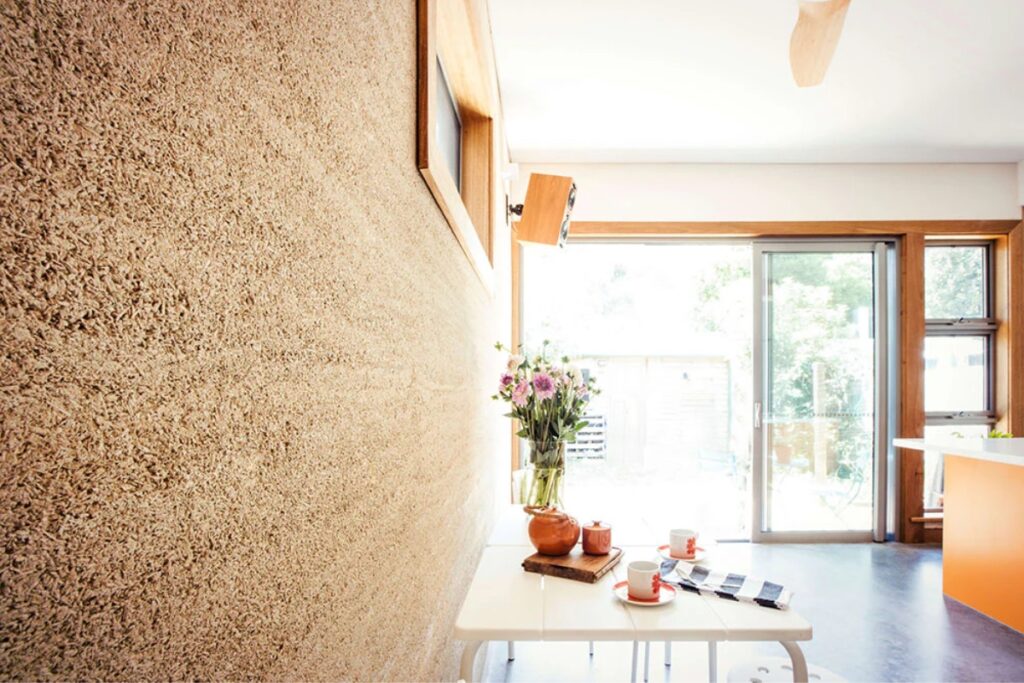
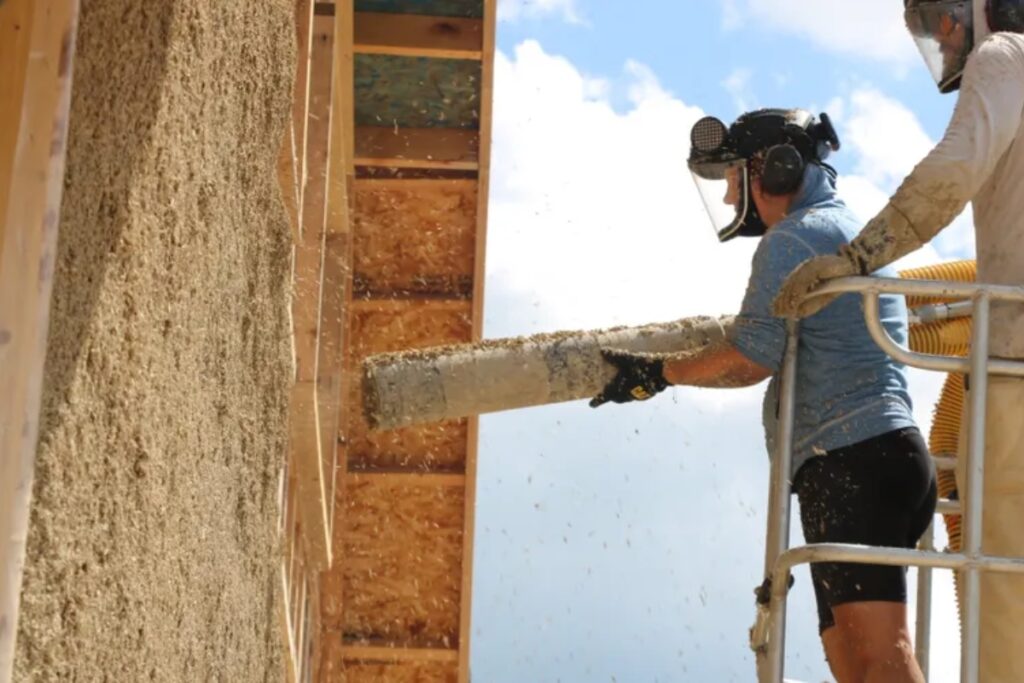
1. Walls and Insulation
- It lets structures breathe while offering natural insulation.
- Provides increased safety by acting as a barrier that is resistant to fire.
- Used in place of synthetic insulating materials in new building and remodeling.
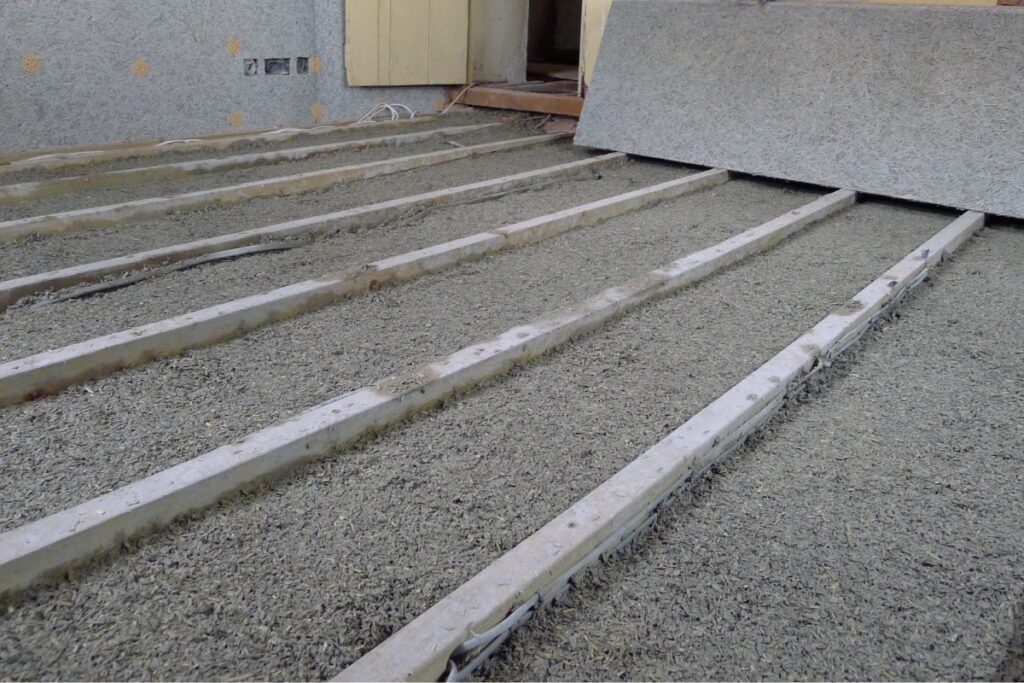
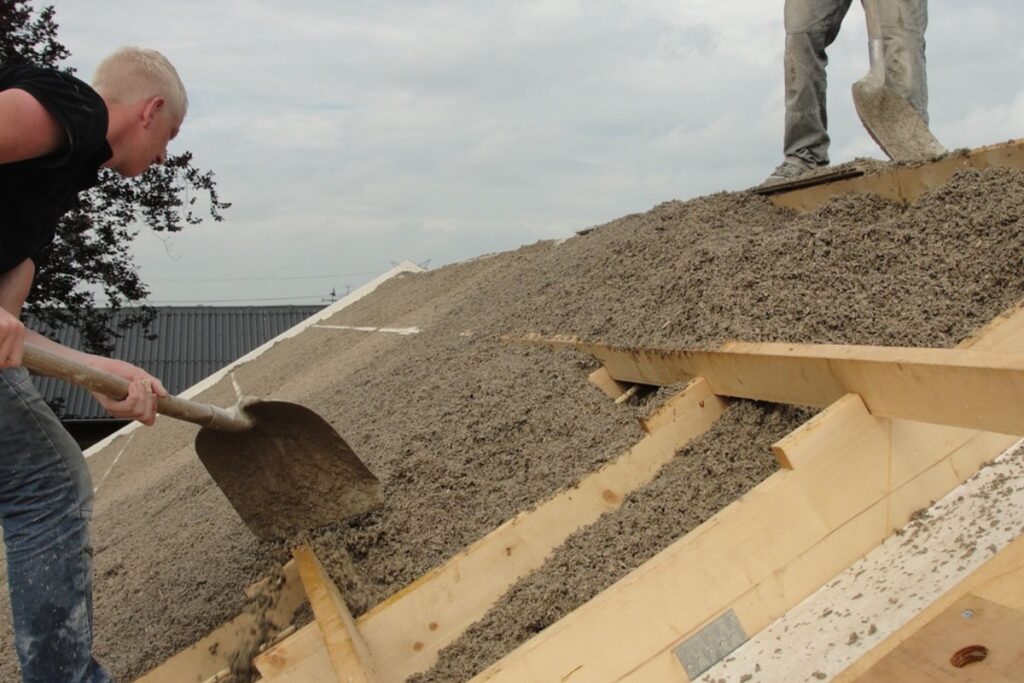
2. Flooring and Roofing
- Offers thermal and acoustic insulation for eco-friendly homes.
- Reduces reliance on traditional, carbon-heavy concrete.
- Works well in passive houses and energy-efficient buildings.
3. Retrofitting Old Buildings
- Used to improve insulation in historic buildings without affecting their structural integrity.
- Helps lower energy bills while maintaining the traditional architecture.
Examples of Businesses Using Hempcrete Globally
Many companies worldwide are leading the way in hemp-based construction and sustainable building practices. Here are a few:
1. UK – Margent Farm
- Built an eco-friendly hempcrete home using locally grown hemp.
- Focuses on sustainable, carbon-negative building practices.
2. France – IsoHemp
- Manufactures hempcrete blocks for residential and commercial buildings.
- Provides eco-conscious solutions for large-scale construction projects.
3. USA – Hempitecture
- Specializes in hempcrete insulation for sustainable homes and buildings.
- Offers hemp-based construction materials across North America.
The Future of Hempcrete in Sustainable Construction
As the demand for low-carbon, environmentally friendly materials grows, hempcrete is becoming a preferred choice for builders, architects, and homeowners.
- Reduces reliance on carbon-heavy materials like cement.
- Improves indoor air quality while enhancing energy efficiency.
- Supports regenerative agriculture, promoting the growth of hemp as a sustainable crop.
With continued investment in green building practices, hempcrete has the potential to transform the construction industry into a more sustainable and climate-friendly sector.
Does Your Business Use Sustainable Building Materials Like Hempcrete? Get Recognized!
If your business is committed to sustainable construction, hemp-based building materials, or eco-friendly architecture, it is time to showcase your impact.
Apply for the 2025 Sustainability Award and gain global recognition for your sustainability efforts.
- Get featured among top sustainability leaders.
- Build trust and credibility with conscious consumers.
- Be part of a growing movement toward a greener future.
Do not miss your chance to be seen across the globe. Apply today and make a difference.
Receive special offers from the best eco brands
Conscious consumers
Register for exclusive offers & giveaways from our winning sustainable products and services in your region.