Your cart is currently empty!
How Australia Can Lead on Climate Action
By Anna Chatburn, Founder, Sustainability Award
The devastating wildfires in LA are a wakeup call to all of us, especially those of us in hot countries like Australia. The destruction, loss of life, displacement, and the environmental toll are catastrophic.
Australia is rated as “highly insufficient” by the Climate Action Tracker, making it one of the poorest performers in terms of climate action among developed nations.
It’s mind-boggling that – as one of the wealthiest nations on the planet, with vast sun-drenched landscapes – Australian politicians have failed to act on climate change when we stand to be so badly affected. We have the resources, the technology, and the potential to lead in sustainable energy, but instead, we are sitting on our hands as the planet heats up, fires rage, and natural disasters intensify. It’s insane, stupid, and frankly, embarrassing.
Rising temperatures, extreme weather events, and the increasing intensity of bushfires and floods aren’t just theoretical anymore – they are a reality we’re living with. And yet, despite these clear dangers, the pace of action has been sluggish, to put it kindly.
How is it that after all these years of knowing about climate change, huge polluting industries are still operating without substantial restrictions? Why is the government not taking bold, necessary action to protect our future?
The Australian Government has the wrong priorities
The government’s approach has been, frankly, pathetic. Instead of investing in the infrastructure we need to prepare for and mitigate the effects of climate change, we’re funding projects that perpetuate the problem, rather than fixing it.
Australia has allowed and, in some cases, funded several practices that hinder climate action, including:
- Fossil Fuel Subsidies: The government continues to heavily subsidise coal, oil, and natural gas, prolonging reliance on fossil fuels.
- New Coal and Gas Projects: Projects like the Adani Carmichael coal mine have been supported, increasing emissions and dependence on fossil fuels.
- Deforestation and Land Clearing: Ongoing land clearing for agriculture and development reduces carbon sinks and harms biodiversity.
- Fracking: The promotion of fracking contributes to methane emissions and environmental risks.
- Expansion of Highways: Investment in highways encourages car dependency, making a shift to public transport harder.
- Inadequate Renewable Energy Infrastructure: Slow progress on renewable energy infrastructure, such as energy storage and grid integration, limits Australia’s clean energy potential.
- Water Pollution: Mining and industrial activities continue to pollute waterways, further damaging the environment.
This is all in direct opposition to the urgent climate policies needed for a sustainable future.
Living in a fire zone alternating between searing heat and torrential rain
Living in a bushfire-risk zone north of Sydney, I feel the reality of climate change more acutely than I ever imagined. When we moved here from Sydney in 2020, I thought our house – built in the ’70s – would hopefully be fine for the few years we planned to stay. But as the seasons pass, I find myself wondering how long it will be before a bushfire destroys everything. A year? Ten? Twenty?
The increasing frequency of extreme weather events has made me more aware of how fragile we really are against the power of nature. It was so dry a couple of weeks ago that the soil had turned to dust and our lawn is half-dead, with hot, dry strong winds. It’s back to torrential rain and storms again now. Since moving here, we’ve experienced some of the heaviest rains I’ve ever seen.
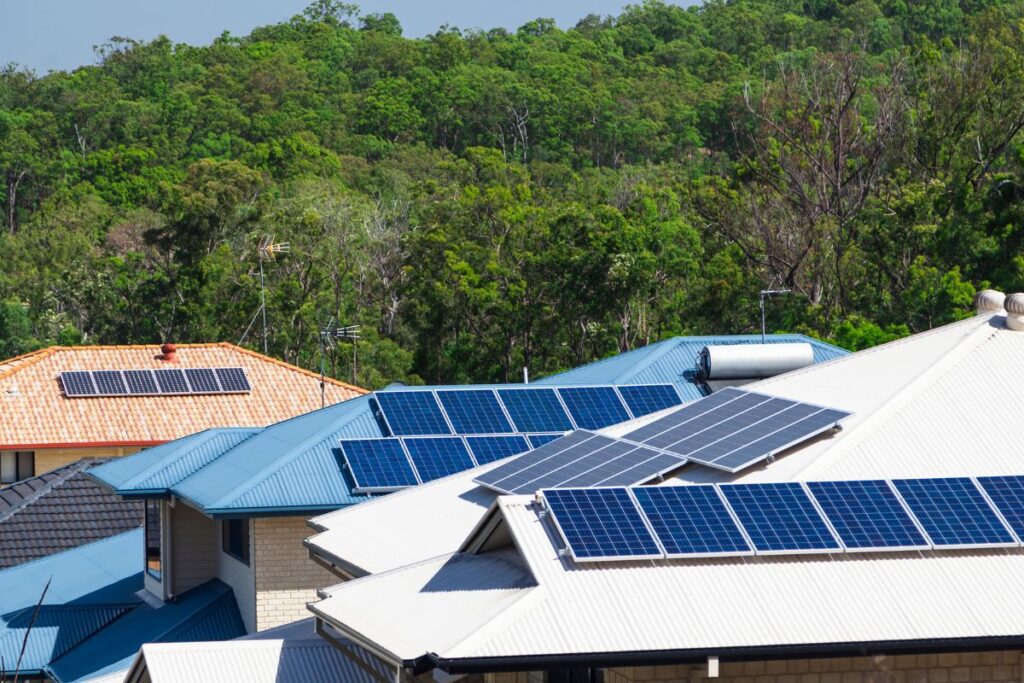
Australia is sitting on a goldmine of solar potential
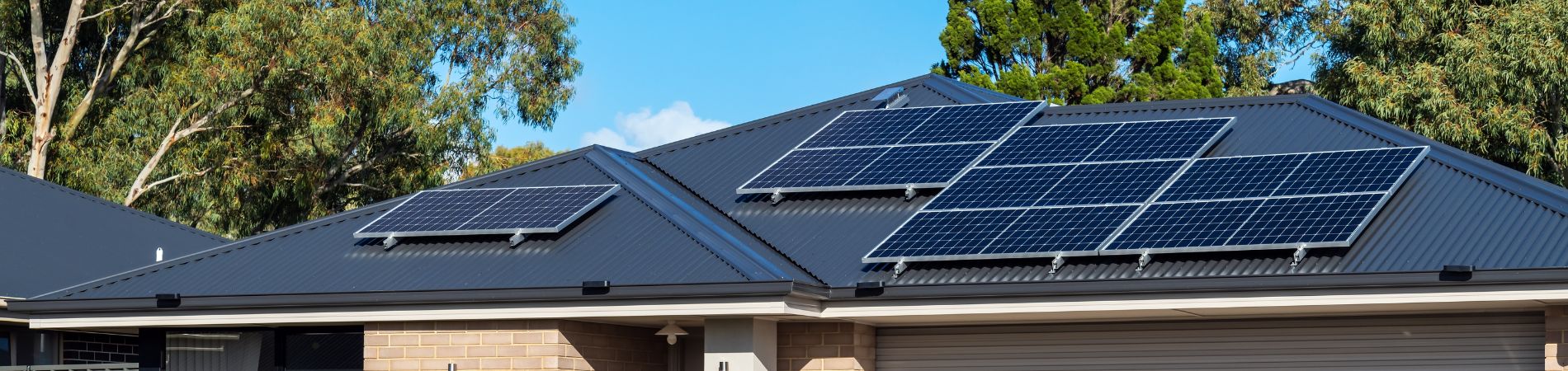
If Australia incentivises solar and funds infrastructure improvement we could be running on renewables like Portugal. But currently the infrastructure isn’t set up to support renewables, and the government isn’t doing enough to change that. We need to incentivise solar power, not punish those who choose to invest in it.
We upgraded our home solar panels recently and installed a battery. (after our roof leaked due to extreme rain and we had to replace it!) We now generate more power than we use, and our power bills are in credit. However, there are plans to introduce network charges for solar customers who export a large amount of energy to the grid at peak times. The government should be funding the necessary network upgrades to encourage solar use, not penalising people!
Many roads don’t have pavements
Then there’s the issue of public transport and urban planning. Where I live, on the Central Coast, the car culture is so entrenched that walking or cycling is not even a practical option for most people. There are no pavements in many areas, and cycling lanes are few and far between. As a result, we’re trapped in a cycle of car dependency. We need infrastructure that makes walking and cycling attractive, safe, and easy. The benefits would be huge – not just for the climate, but for people’s health, quality of life, and well-being. (I was shocked how many people here are overweight when we moved here from Sydney!)
Houses built like tents
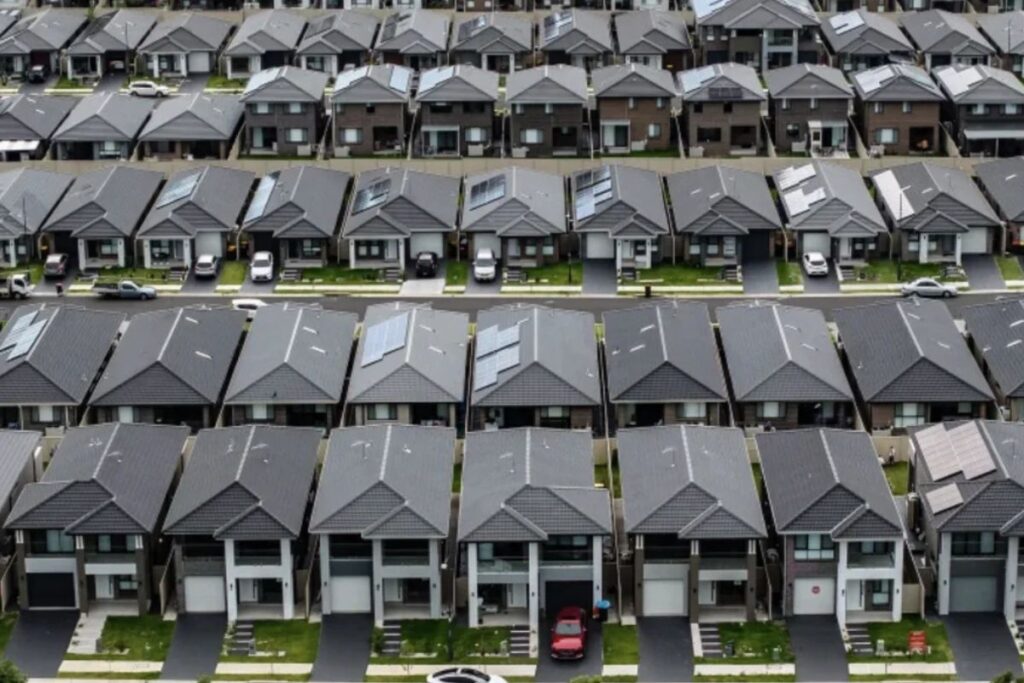
A lot of the houses here are shoddily built with little insulation, cold in winter and hot in summer. And somehow we still see huge areas flattened to make way for low quality, poorly insulated homes guzzling aircon with hardly a tree in sight. Minimum building standards for things like insulation and tree density have been improved slightly, but they are still much lower than they should be in my opinion.
We need more trees!
The solution to many of these issues is right in front of us: nature. Trees keep streets and homes cool, filter out pollution, and absorb carbon dioxide. In a city like Sydney, where temperatures are soaring in summer, it’s criminal that urban sprawl continues with so little regard for green spaces. If we’re serious about fighting climate change and improving our quality of life, we need to prioritise trees and greenery.
Instead, we’re seeing deforestation, land clearing, and the destruction of habitats for short-term economic gain. It’s not just the climate that suffers – it’s the air we breathe and the places we live.
Global Wake-Up Call
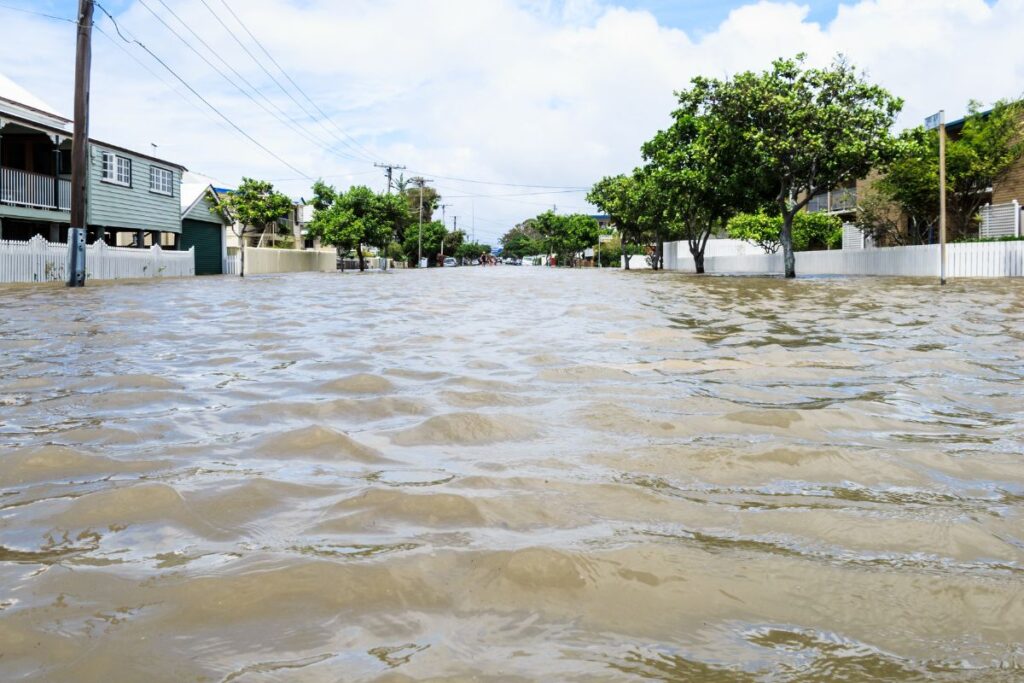
It seems like most people know of people personally affected by climate change now, the effects have become so extreme and widespread. From the horrific floods in Brazil to the increasingly frequent and intense storms in the UK, the world is experiencing a climate crisis of unprecedented proportions. My parents’ garden in England, which had never flooded, has been submerged multiple times in recent years. I have friends affected by the fires in the USA. This is the reality we’re living in, and it’s only going to get worse unless we act now.
Australia could be leading in renewables
Despite the frustration, I still believe it’s not too late. Australia can still become a global leader in sustainable energy, green infrastructure, and climate resilience. We have the sun, the resources, the knowledge, and the capacity to be a shining example of how to fight climate change while improving quality of life for everyone. It’s just a matter of political will, of people demanding better from businesses and governments, and of making smart, long-term investments in our future.
Australia Must Lead on Climate Action – The Time is Now!
The climate crisis is no longer a distant threat—it’s here, and its effects are becoming more devastating by the day. Australia has the resources, technology, and potential to be a global leader in renewable energy, green infrastructure, and sustainability, but we need bold action now.
What Can You Do?
- Support climate-conscious policies – Demand action from policymakers.
- Invest in renewable energy – If possible, switch to solar and advocate for better infrastructure.
- Prioritize sustainable living – Reduce energy consumption, support eco-friendly businesses, and plant more trees.
- Spread awareness – Share this article and encourage conversations about Australia’s role in climate action.
Let’s push for a sustainable
future together
Share your thoughts in the comments or take action today
