Your cart is currently empty!

How Sustainable Is Cork? A Closer Look at This Eco-Friendly Material
Cork: A Highly Sustainable and Versatile Material
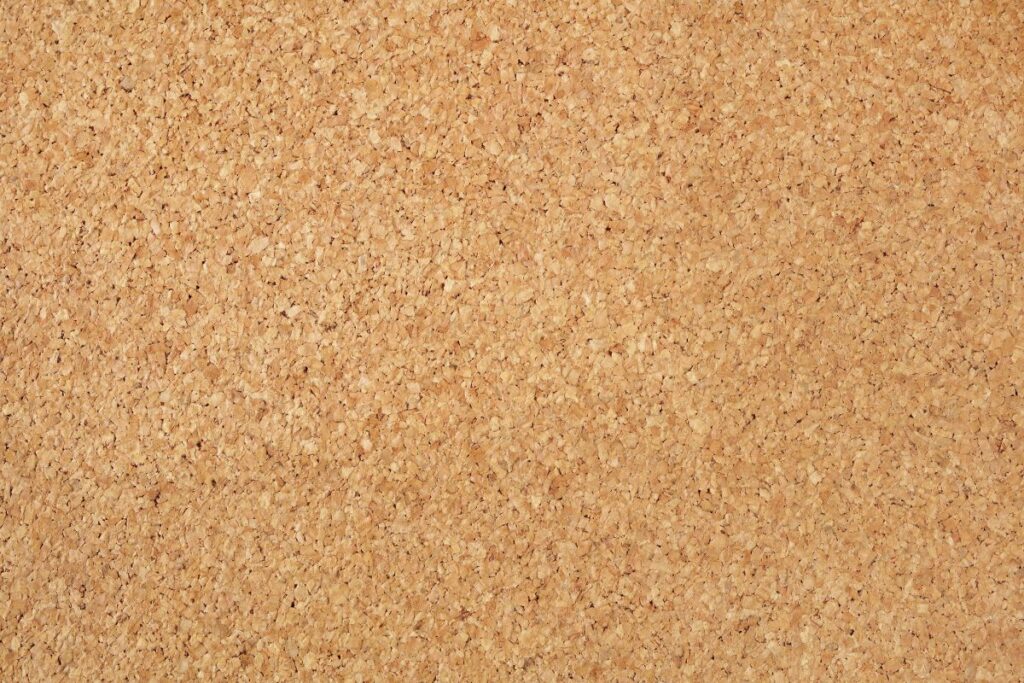
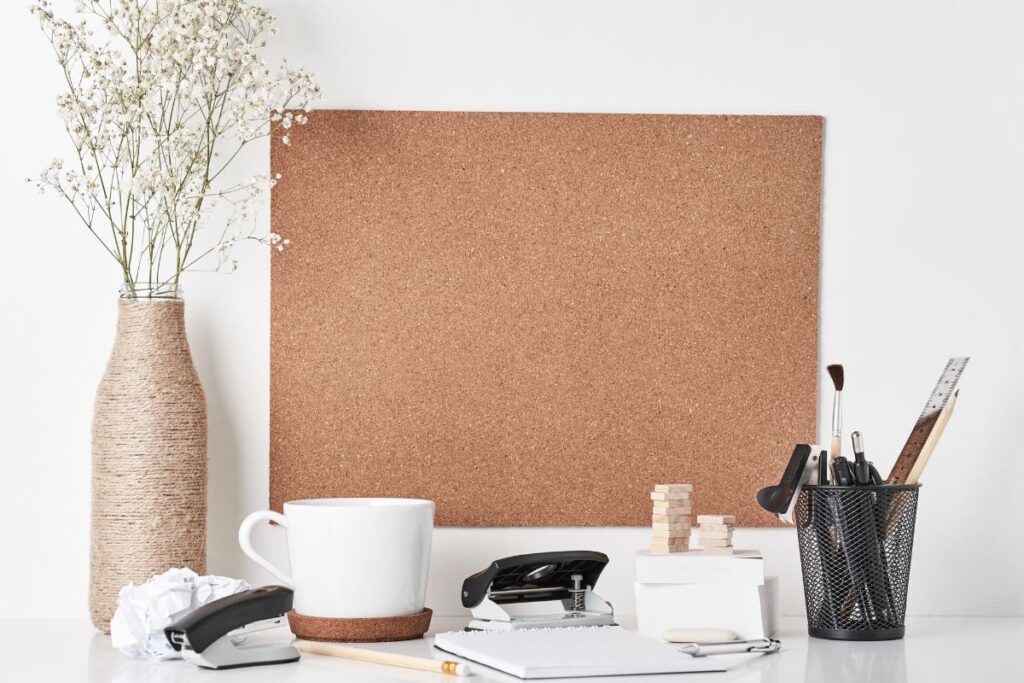
Cork is one of the most sustainable and versatile materials in the world. From fashion to flooring, construction to home décor, cork’s renewable nature and eco-friendly benefits make it a top choice for conscious consumers and businesses. At Sustainability Award we have been delighted to see cork’s popularity increasing in recent years, with uses like flooring making a comeback, and new uses like bags and yoga gear increasing.
But how sustainable is cork? Explore where it comes from, how it is harvested, and why it is considered one of the greenest materials available today.
Where Does Cork Come From?
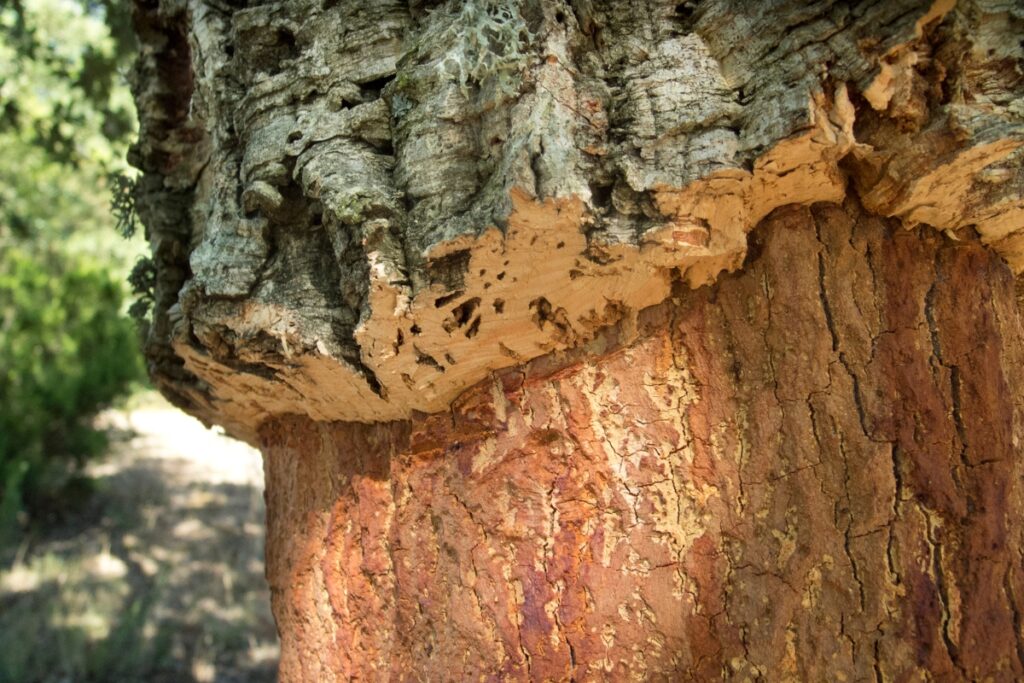
Cork comes from the bark of the cork oak tree (Quercus suber), which is native to the Mediterranean region and is primarily found in:
- Portugal – The world’s largest cork producer, responsible for over 50 percent of the global cork supply
- Spain – A key contributor to cork exports
- Italy, France, Morocco, Algeria, and Tunisia – Other regions with cork forests
Cork trees are not cut down, in contrast to conventional tree harvesting. They are able to continue growing and absorbing carbon dioxide since only their outer bark is cut off. Each tree can be harvested every 9 to 12 years, making cork one of the most renewable natural resources.
A single cork oak tree can live up to 200 years and absorb three to five times more carbon dioxide than a non-harvested tree.

Why Is Cork a Sustainable Material?
Cork is one of the most eco-friendly materials for several reasons:
- 100 Percent Renewable and Regenerative – The cork oak tree naturally regenerates after harvesting, eliminating the need for deforestation
- Carbon-Negative Material – Cork forests absorb millions of tons of carbon dioxide, helping to combat climate change
- Zero-Waste and Biodegradable – Every part of cork is usable and compostable, ensuring no waste.
- Chemical-Free Harvesting – Cork is removed by hand without pesticides, fertilizers, or harmful chemicals.
Cork is a key material in sustainable design and innovation because of its great renewability and low environmental impact.
The Many Uses of Cork
Cork’s lightweight, durable, water-resistant, and biodegradable properties make it highly adaptable across industries.
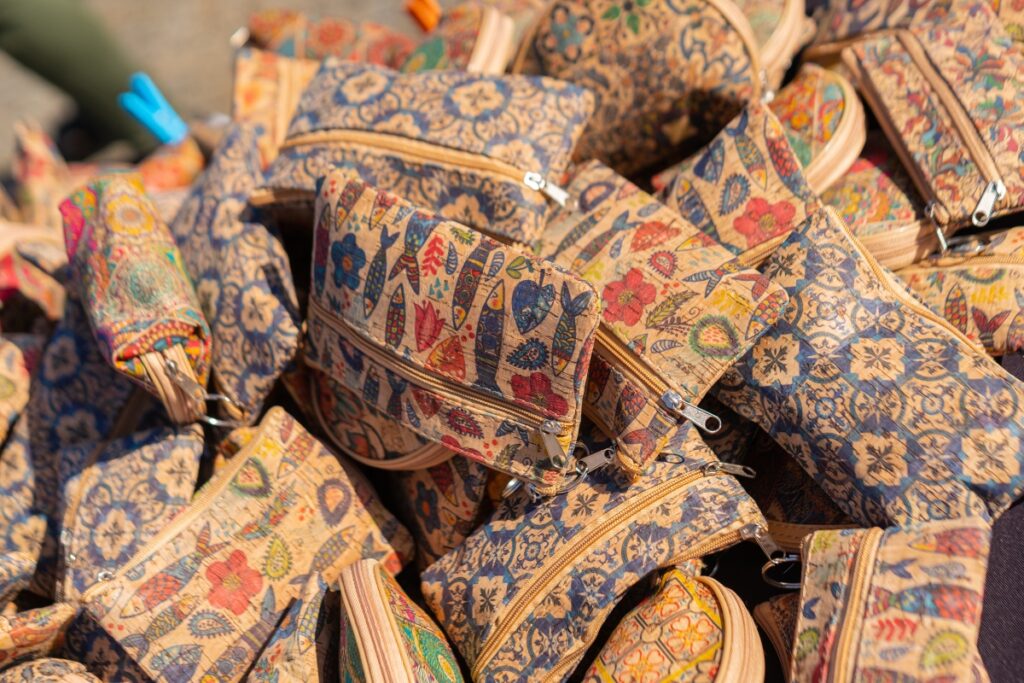

1. Sustainable Fashion and Accessories
Because it is durable and aesthetically pleasing without causing harm to animals, cork is quickly emerging as a vegan leather substitute.
Examples:
- Wallets and purses: fashionable, strong, and lightweight.
- Sandals and shoes absorb shock naturally, making them incredibly comfortable.
- Exercise equipment and yoga mats: weather-resistant, hypoallergenic, and antibacterial.
- Cork watches and jewelry: distinctive accessories with a natural theme.
Cork is a more environmentally friendly option than conventional leather or synthetic fabrics because it doesn’t require harmful tanning, dyes, or chemicals. However, for cork fabric to be biodegradable, it must also have a biodegradable backing and be free of plastic-based liners, chemical dyes and finishes.


2. Cork Flooring and Home Décor
Cork is an eco-friendly alternative to traditional flooring and home materials, offering durability and sound insulation.
Examples:
- Cork flooring and wall panels – Soft, warm, and hypoallergenic
- Cork coasters and placemats – Stylish and sustainable kitchen essentials
- Cork lamps and furniture – Modern, lightweight, and energy-efficient
Cork is naturally fire-resistant, mold-resistant, and biodegradable, making it a perfect material for long-term, waste-free use.
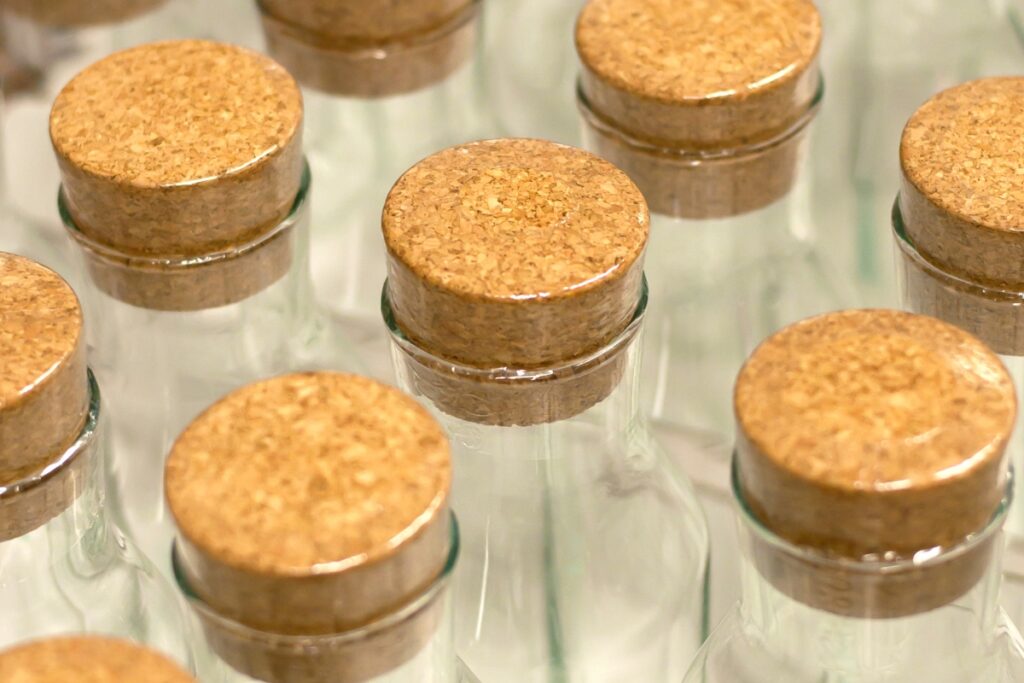
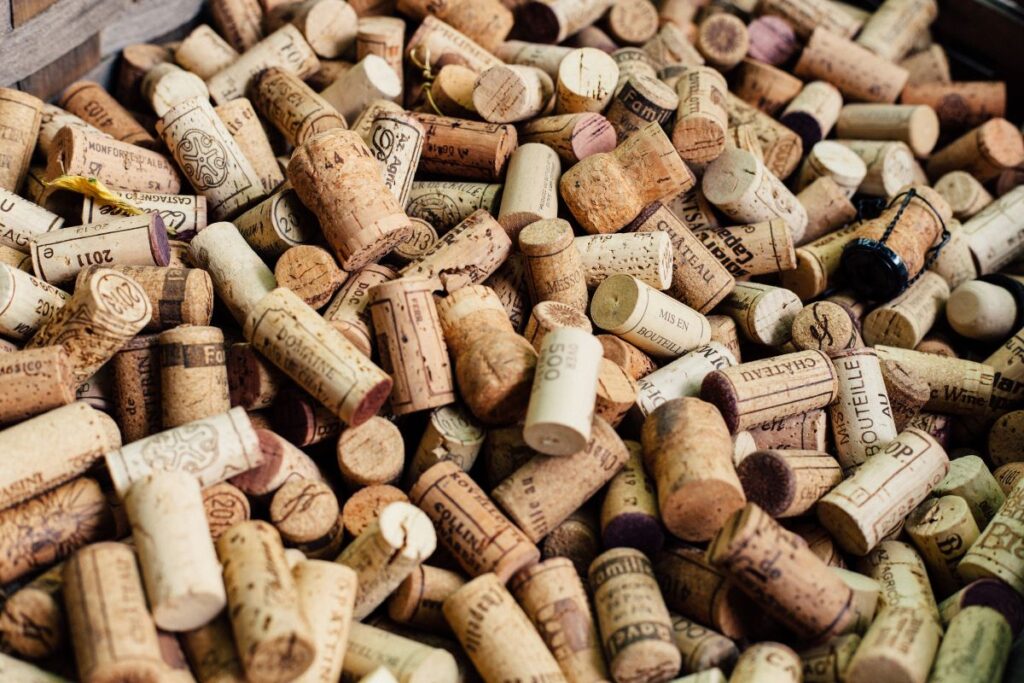
3. Cork in Packaging and Industrial Uses
In several businesses, cork is taking the place of plastic insulation and packaging, which helps cut down on waste.
Examples:
- Cork wine stoppers – A classic, sustainable alternative to plastic screw caps
- Biodegradable cork packaging – Used in cosmetics, food storage, and electronics
- Cork insulation for buildings – Provides natural temperature control while reducing energy consumption
Because it is lightweight, biodegradable, and plastic-free, cork packaging is a popular option for environmentally conscious companies.
The Future of Cork in Sustainability
As industries shift toward eco-friendly materials, cork is becoming a frontrunner in sustainable innovation.
Why Businesses Are Choosing Cork
- Lowers carbon footprint compared to synthetic materials
- Provides a durable, high-quality alternative to plastic, foam, and leather
- Aligns with sustainability goals for conscious consumers
With climate change concerns and rising consumer awareness, cork is shaping the future of sustainable design, fashion, construction, and packaging.
Does Your Business Use Sustainable Materials Like Cork? Get Recognized
If your business is committed to sustainability, eco-friendly materials, or zero-waste solutions, it is time to showcase your impact.
Apply for the 2025 Sustainability Award and gain global recognition for your sustainability efforts.
- Get featured among top sustainability leaders
- Build trust and credibility with conscious consumers
- Be part of a growing movement toward a greener future
Do not miss your chance to be seen across the globe. Apply today and make a difference.
Receive special offers from the best eco brands
Conscious consumers
Register for exclusive offers & giveaways from our winning sustainable products and services in your region.