Your cart is currently empty!
Is Aluminium Sustainable?
Environmental Impact & Benefits Explained
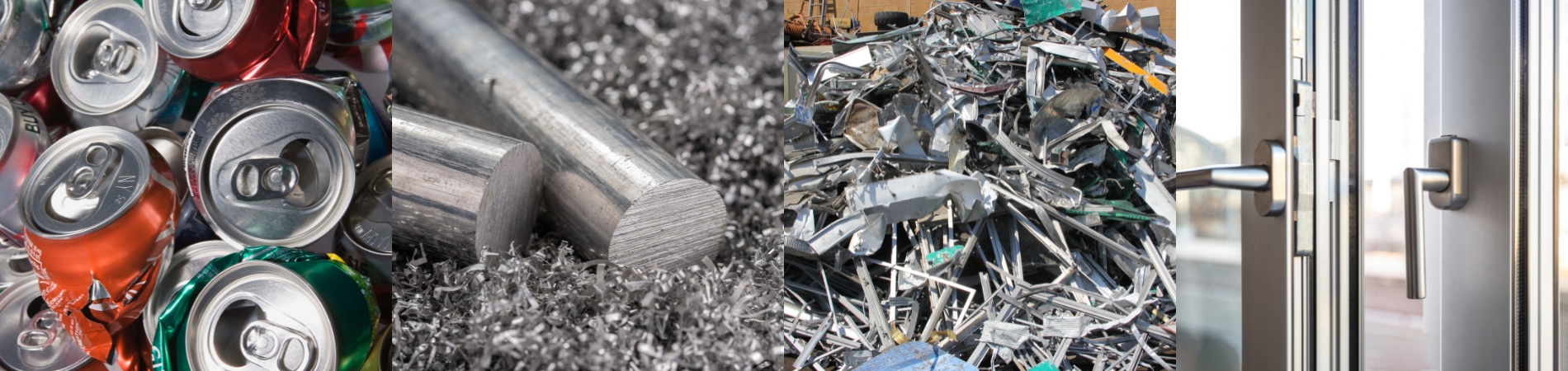
Aluminium is one of the most widely used metals in the world, found in everything from packaging and construction to transport and consumer goods. But is aluminium sustainable? With growing concerns about resource depletion and environmental impact, it is important to understand aluminium’s sustainability, its recyclability, and how its production affects the planet.
What Makes Aluminium a Sustainable Material?
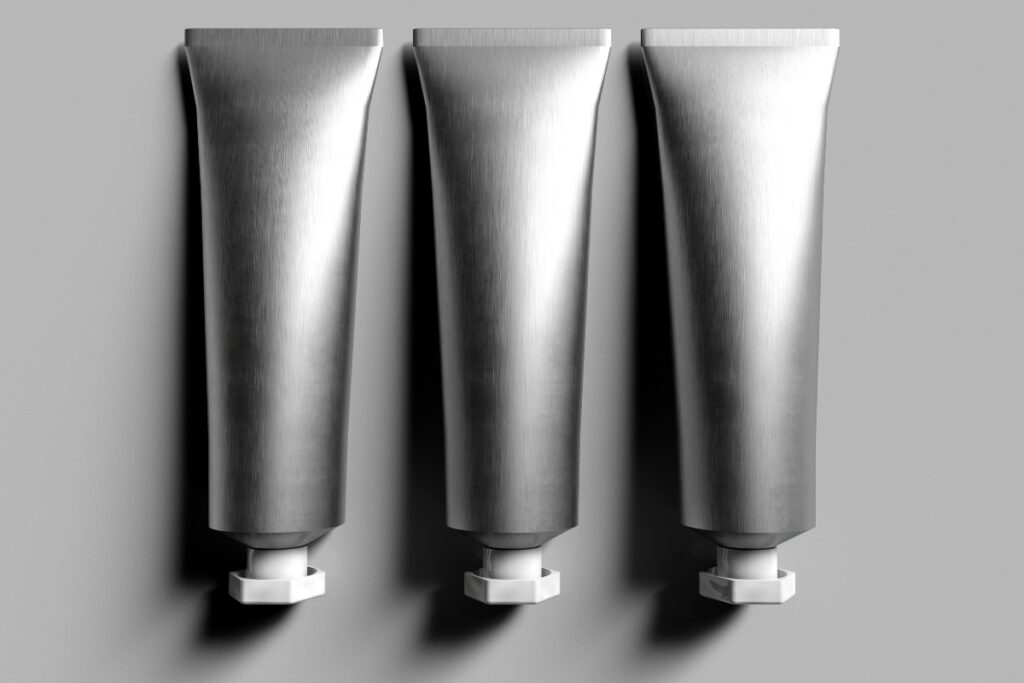
Aluminium is often regarded as a sustainable material due to its durability, versatility, and recyclability. Here are some key factors that contribute to its eco-friendliness:
1. Infinitely Recyclable
Unlike many other materials, aluminium can be recycled indefinitely without losing its quality. This means that aluminium products can be repurposed repeatedly, reducing the need for new raw materials and conserving natural resources. In fact, around 75% of all aluminium ever produced is still in use today, demonstrating its long lifespan and recyclability.
2. Energy Savings from Recycling
Recycling aluminium requires up to 95% less energy compared to producing new aluminium from raw bauxite ore. This dramatic energy reduction significantly lowers carbon emissions and minimises the environmental footprint of aluminium production.
3. Lightweight and Strong
Aluminium’s lightweight nature makes it an essential material in industries such as transportation and aerospace. Lighter vehicles and aircraft consume less fuel, reducing greenhouse gas emissions and making aluminium a crucial component of sustainable innovation.
4. Corrosion-Resistant and Long-Lasting
Aluminium’s natural resistance to rust and corrosion extends its lifespan, reducing the need for frequent replacements. This longevity contributes to sustainability by lowering overall material consumption and waste generation.
The Environmental Impact of Aluminium Production
While aluminium offers many sustainability benefits, its initial production from bauxite ore does have environmental consequences. Here are some key concerns:
1. High Energy Consumption in Primary Production
Extracting aluminium from bauxite ore through electrolysis is an energy-intensive process. The production of primary aluminium requires significant electricity, often sourced from fossil fuels, contributing to greenhouse gas emissions. However, using renewable energy sources in aluminium smelting can significantly reduce its carbon footprint.
2. Mining and Deforestation
Bauxite mining, the primary source of aluminium, can lead to deforestation, habitat destruction, and biodiversity loss. Responsible mining practices, such as land rehabilitation and reforestation, are crucial in minimising these impacts.
3. Greenhouse Gas Emissions
The refining and smelting processes generate carbon dioxide (CO2) and perfluorocarbons (PFCs), potent greenhouse gases. However, advancements in cleaner technologies and carbon capture initiatives are helping to mitigate these emissions.
Aluminium Recycling: A Key to Sustainability
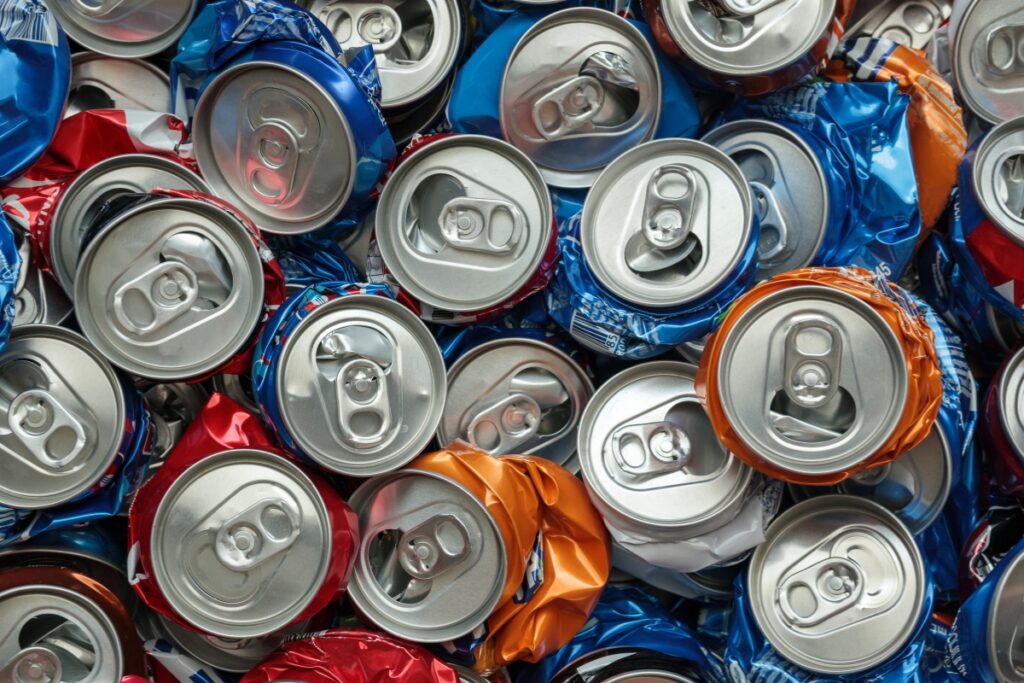
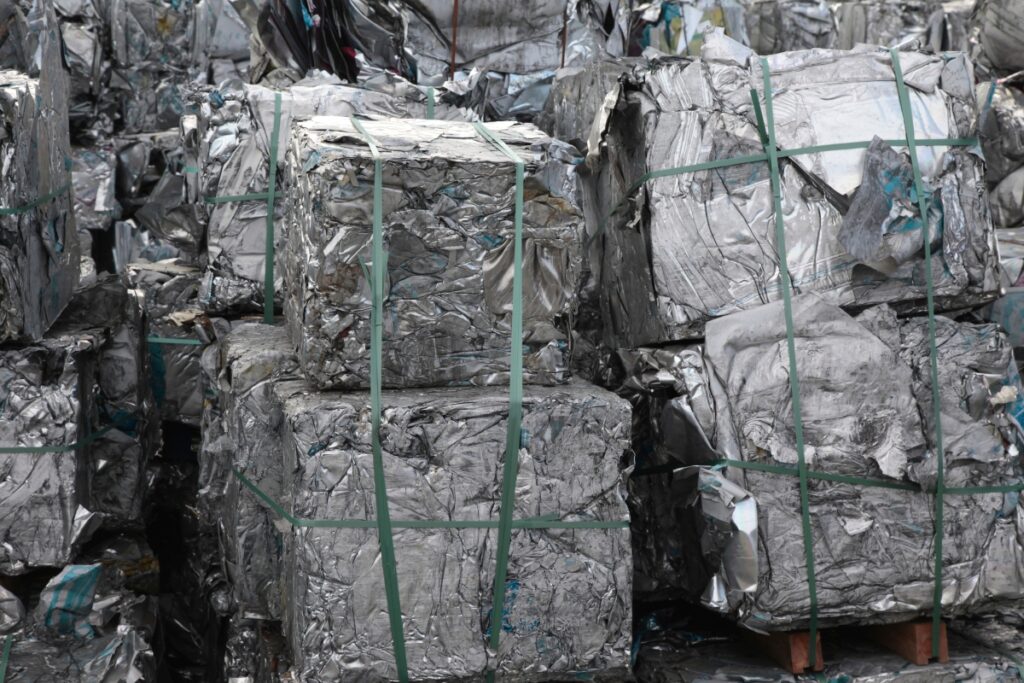
Recycling aluminium is one of the most effective ways to reduce its environmental impact. Here’s why aluminium recycling is a game-changer:
- Reduces Landfill Waste: Aluminium cans and packaging often end up in landfill, but recycling ensures these materials are repurposed, reducing waste accumulation.
- Conserves Natural Resources: By recycling aluminium, we can reduce the demand for new bauxite mining, preserving ecosystems and biodiversity.
- Lower Carbon Footprint: Recycled aluminium produces up to 95% fewer carbon emissions compared to primary aluminium production.
Countries with strong aluminium recycling initiatives, such as the UK, have successfully increased their recycling rates, contributing to a circular economy where materials are continuously reused.
How Sustainable Is Aluminium Compared to Other Materials?
When evaluating the sustainability of aluminium, it is important to compare it with other common materials:
- Aluminium vs. Plastic: Unlike plastic, which often degrades after multiple recycling processes, aluminium maintains its properties indefinitely. It is also less likely to contribute to ocean pollution.
- Aluminium vs. Steel: Both metals are recyclable, but aluminium is lighter and requires less energy in transportation, making it a preferable choice in industries such as automotive and aerospace.
- Aluminium vs. Glass: While glass is also highly recyclable, it is heavier than aluminium, leading to higher transportation emissions.
Future Innovations in Aluminium Sustainability
To enhance the sustainability of aluminium, several innovations and industry advancements are taking place:
1. Renewable Energy-Powered Smelting
Many aluminium producers are shifting to renewable energy sources such as hydroelectric, solar, and wind power to reduce carbon emissions during smelting.
2. Low-Carbon and Green Aluminium Initiatives
Some manufacturers are developing ‘green aluminium,’ produced with minimal carbon emissions. Companies like Alcoa and Hydro are investing in sustainable aluminium solutions to lower the industry’s environmental footprint.
3. Closed-Loop Recycling Systems
Businesses and industries are adopting closed-loop recycling, ensuring that aluminium waste is continuously repurposed rather than discarded.
Overall, is Aluminium Sustainable?
Aluminium is one of the most sustainable metals available when considering its recyclability, durability, and energy-saving properties. However, primary aluminium production does have environmental drawbacks, including high energy use and mining-related impacts. The key to maximising aluminium’s sustainability lies in increasing recycling rates, adopting renewable energy in production, and supporting responsible sourcing.
For businesses and individuals looking to make eco-conscious choices, prioritising recycled aluminium over new production and supporting companies committed to sustainable aluminium practices are crucial steps toward a greener future.
Elevate your impact
Apply for a Global Sustainability Award
Get recognised internationally as a sustainability leader.
Applying is quick, free and easy.