Your cart is currently empty!
Is Bamboo a Sustainable Fabric?
Pros, Cons, and Its Environmental Impact
As the demand for sustainable fabrics grows, bamboo is an increasingly common material for clothing, footwear, and household textiles. Bamboo is promoted as an environmentally beneficial choice because of its resilience, and the fact bamboo is a natural fibre that can be grown quickly and sustainably. However, is bamboo as sustainable as it looks? This article looks at the pros and cons of different types of bamboo fabric, its production process, and whether it qualifies as an environmentally responsible material.

Why Bamboo Is Considered a Sustainable Fabric
Bamboo is often labeled one of the most sustainable fabrics due to its fast growth rate and minimal resource requirements. Here’s why bamboo stands out as an eco-friendly option:
1. Bamboo Grows Rapidly and Requires No Replanting
- Bamboo is one of the fastest-growing plants on Earth, capable of growing up to 3 feet per day.
- It regenerates naturally without replanting, unlike cotton, which requires annual replanting.
2. Requires Minimal Water and No Pesticides
- Bamboo needs very little water compared to cotton, which is highly water-intensive.
- It grows naturally without pesticides or chemical fertilizers, making it an organic-friendly crop.
3. Absorbs Carbon Dioxide and Produces Oxygen
- Bamboo forests absorb more carbon dioxide (CO₂) than trees, making them beneficial for carbon sequestration.
- They also release 35% more Oxygen than an equivalent area of trees, improving air quality.
4. Naturally Biodegradable
- Unlike synthetic fabrics, bamboo breaks down naturally at the end of its lifecycle.
- It does not contribute to microplastic pollution, unlike polyester and nylon.
Because of these factors, bamboo has earned a strong reputation as an environmentally friendly material. However, the sustainability of bamboo fabric depends on how it is processed.
The Hidden Environmental Costs of Bamboo Fabric
Although bamboo is a sustainable plant, it may cause environmental problems when used to make fabric. Bamboo can be made into cloth in two primary ways:
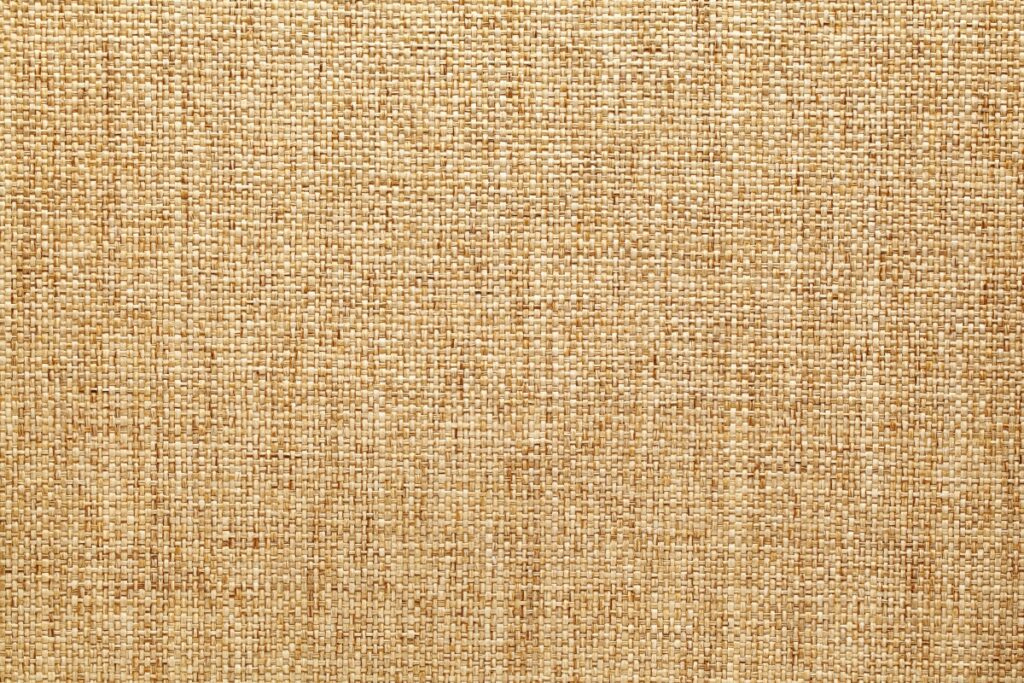
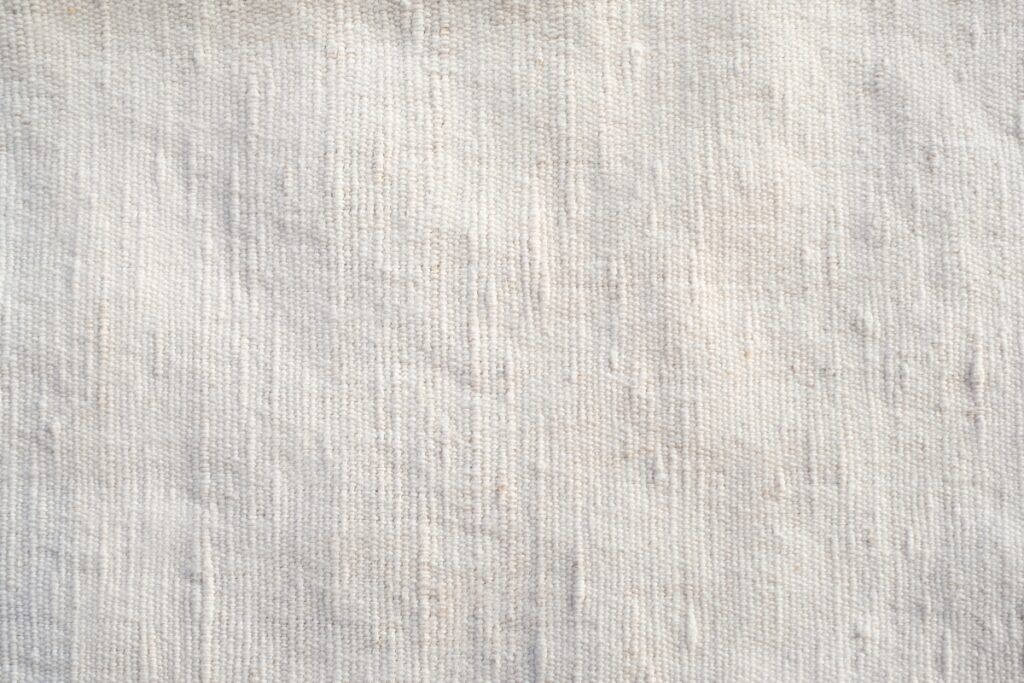
1. Mechanically Processed Bamboo (Bamboo Linen) – Most Sustainable
- This method crushes the bamboo plant and uses natural enzymes to break it into fibers.
- The result is bamboo linen, a strong, durable, and chemical-free fabric.
- Downside: The process is labor-intensive and costly, making it less common in the fashion industry.
2. Chemically Processed Bamboo (Bamboo Viscose/Rayon)
Good if no harmful chemicals are used in production, but not as sustainable otherwise
While bamboo viscose is still biodegradable and softer than traditional rayon, it is not always as environmentally friendly as advertised. It’s important to check the overall production methods to ensure it’s made responsibly. (see below)
- This is the most common method used in the textile industry.
- The bamboo pulp is usually dissolved using chemicals like carbon disulfide and sodium hydroxide.
- This process can produce toxic waste, which can harm workers and the environment.
- The overall sustainability depends on the chemicals used for processing, and how they’re disposed of.
- Bamboo textiles produced without harmful chemicals are the best choice.
Pros and Cons of Bamboo Fabric
In summary, while bamboo fabrics can be a great sustainable choice, the fabric type and production method must be known to understand how sustainable it is. Let’s look at the pros and cons before going into what to look for.
Pros
- Rapid growth and renewable: It doesn’t need to be replanted because it organically regenerates.
- Minimal water usage: Compared to cotton, it uses a lot less water.
- No fertilizers or pesticides: Bamboo grows organically without the use of dangerous chemicals.
- It feels opulent and is incredibly absorbent. It is soft, breathable, and moisture-wicking.
- Biodegradable: It breaks down organically without causing environmental contamination.
Cons
- Chemical-intensive processing – Bamboo viscose production usually relies on toxic chemicals.
- Greenwashing concerns – Some brands mislead consumers by marketing bamboo viscose as “natural bamboo fabric”, overlooking chemicals used in production.
- Energy-intensive production – Despite bamboo’s low farming impact, processing can require high energy consumption.
How Sustainable Is Bamboo Overall?
Bamboo has the potential to be a highly sustainable fabric, but only if it is responsibly processed. The most sustainable version is mechanically processed bamboo (bamboo linen), which is expensive and rare in the fashion industry, or bamboo viscose which has been responsibly sourced and processed without harmful chemicals.
The most sustainable bamboo fabric – what to look for
For bamboo fabric to be genuinely sustainable, brands need to:
- Use responsible, closed-loop production systems that recycle chemicals instead of releasing them into the environment.
- Ensure fair labor practices in bamboo processing facilities.
- Be transparent about sourcing and manufacturing methods.
When buying bamboo products, look for certifications such as:
- OEKO-TEX® Standard 100 – Ensures no harmful substances are used.
- GOTS (Global Organic Textile Standard) – Guarantees environmentally friendly processing.
- FSC (Forest Stewardship Council) – Confirms responsible bamboo sourcing.
Many brands invest in ethical bamboo production to ensure their environmental and social responsibility.
Does Your Business Use Sustainable Fabrics Like Bamboo?
If your business is committed to sustainable fashion, textiles, or ethical manufacturing, it is time to showcase your impact.
Apply for a Sustainability Award and gain global recognition for your sustainability efforts.
- Get featured among top sustainability leaders.
- Build trust and credibility with conscious consumers.
- Be part of a growing movement toward a greener future.
Do not miss your chance to be seen across the globe. Apply today and make a difference.
Receive special offers from the best eco brands
Conscious consumers
Register for exclusive offers & giveaways from our winning sustainable products and services in your region.

Global Sustainability Award, Sustainability Award, Sustainable Material, Sustainable materials, Sustainable Products, Zero Waste
