Your cart is currently empty!

Sustainable Fashion: Redefining Style with Ethical and Eco-Friendly Choices
The fashion industry, long associated with creativity and innovation, is also one of the largest contributors to environmental degradation. Excessive waste, water pollution, and carbon emissions define the legacy of fast fashion—a model built on mass production and disposability.
Sustainable fashion is reshaping this narrative. With a focus on ethical practices, eco-friendly materials, and waste reduction, sustainable fashion is leading towards a greener, more responsible industry.

The Environmental Impact of Fashion
Fast fashion comes at a high cost to the planet:
- Textile Waste: Over 92 million tonnes of discarded textiles annually fill landfills.
- Water Usage: Producing one cotton T-shirt consumes 2,700 litres of water.
- Carbon Emissions: The industry accounts for 10% of global emissions, surpassing aviation.
- Microplastic Pollution: Synthetic fabrics release microplastics into waterways, harming ecosystems.
These challenges highlight the urgency for sustainable practices in fashion.
What is Sustainable Fashion?
Sustainable fashion minimises environmental impact and emphasises ethical production across the supply chain. It embraces innovations like recycled materials, low-impact dyes, and circular fashion models to reduce waste and conserve resources.
1. Eco-Friendly Materials
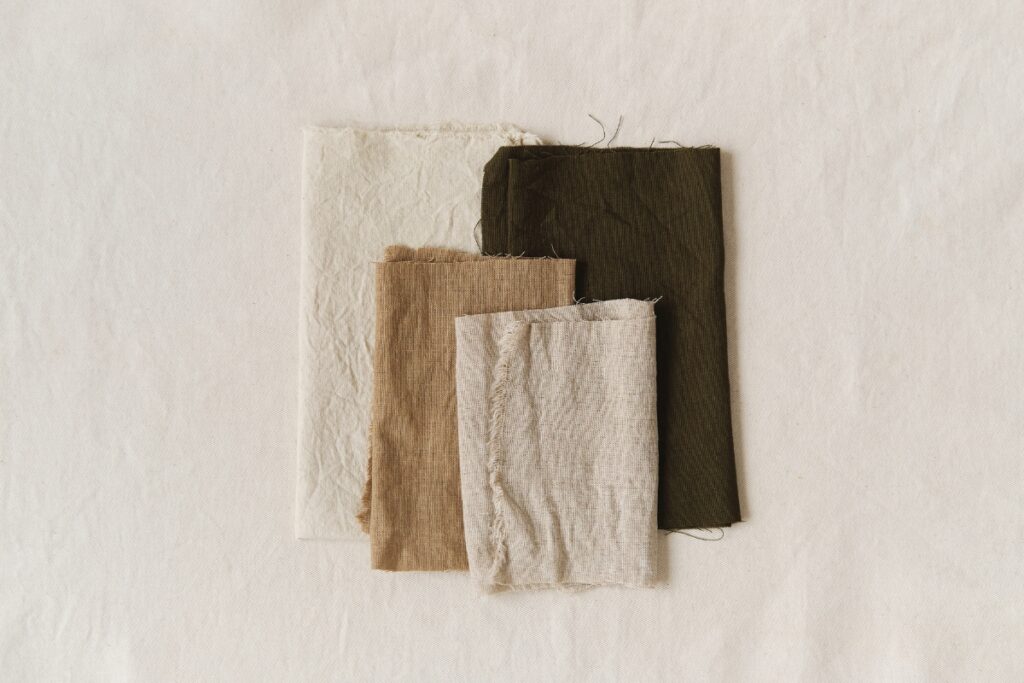
Organisations are turning to sustainable fabrics such as:
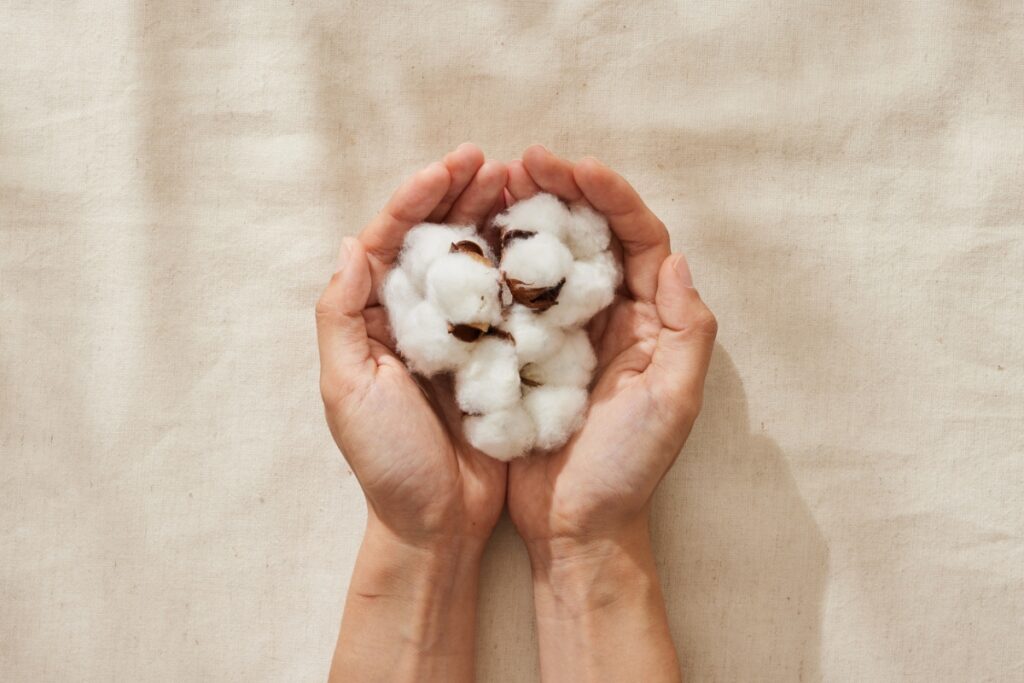
- Organic Cotton: Grown without harmful pesticides.
- Hemp: A renewable crop that requires minimal water.
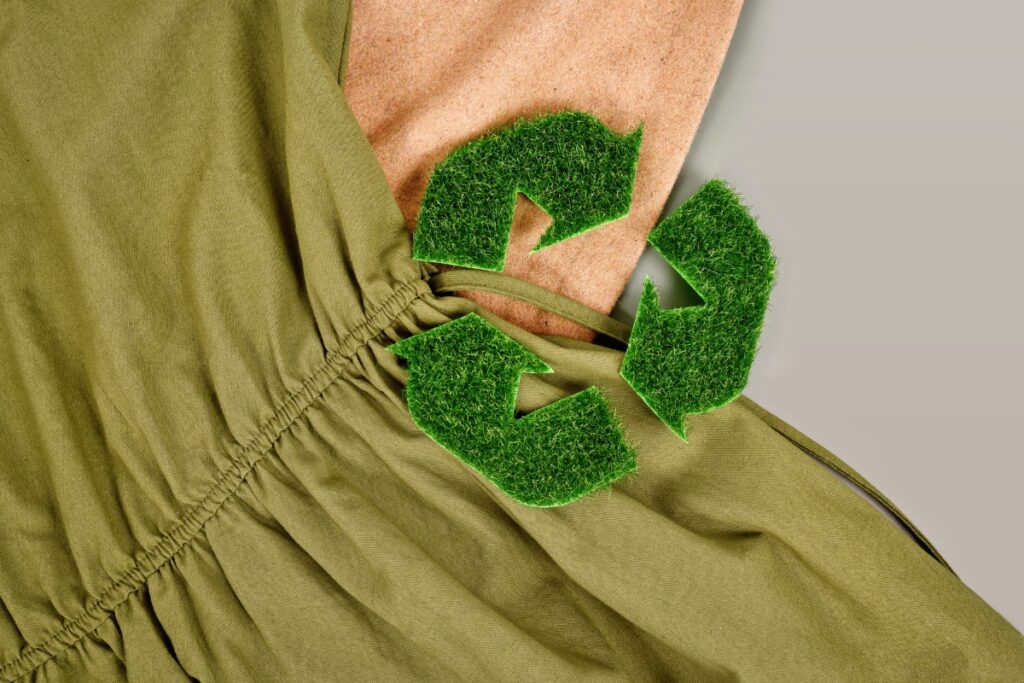
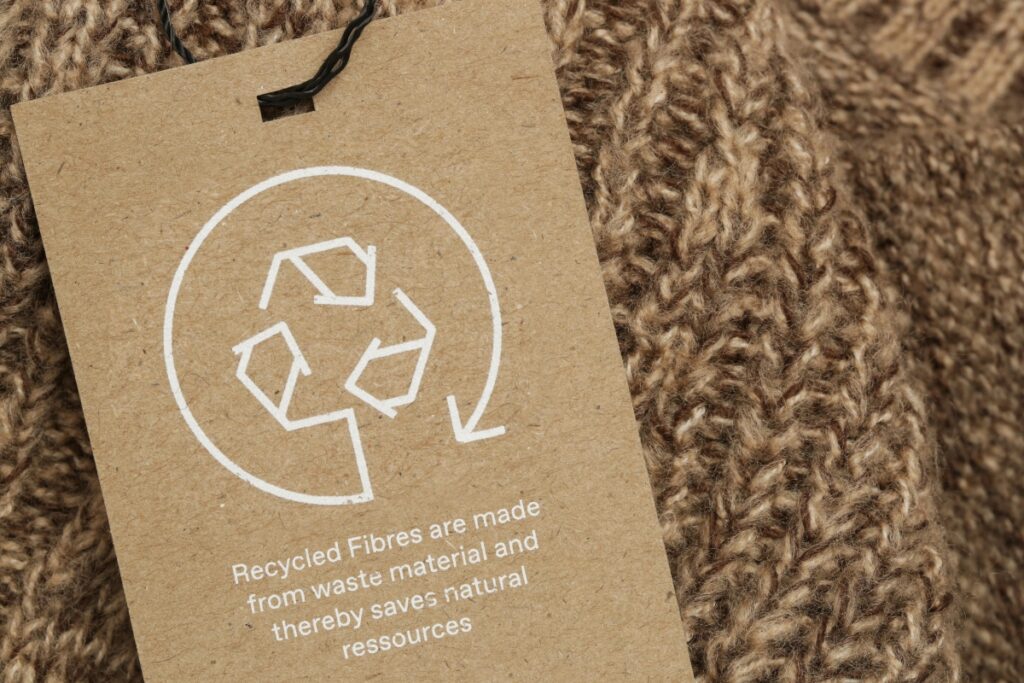
- Recycled Textiles: Turning old garments or plastic waste into new materials.
- Tencel (Lyocell): A biodegradable fabric made from wood pulp.
- Bamboo: A fast-growing, water-efficient plant that produces soft, breathable fabric.
- Wool: A natural, renewable, and biodegradable fibre that offers durability and insulation.
- Leather: Can be sustainable when sourced from ethical, eco-conscious tanneries using plant-based tanning methods.
2. Circular Fashion
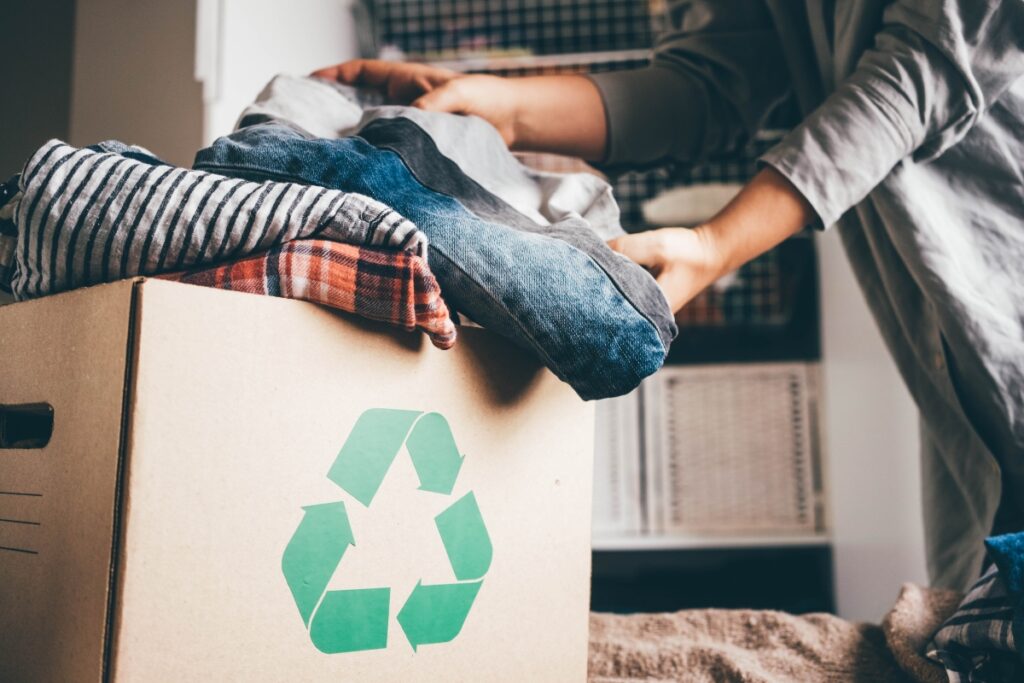
Circular fashion models extend a garment’s life and reduce waste. Popular approaches include:
- Clothing Take-Back Programmes: Encouraging recycling of used garments.
- Upcycling: Transforming old pieces into new designs.
- Rental Platforms: Promoting second-hand fashion or rentals over frequent new purchases.
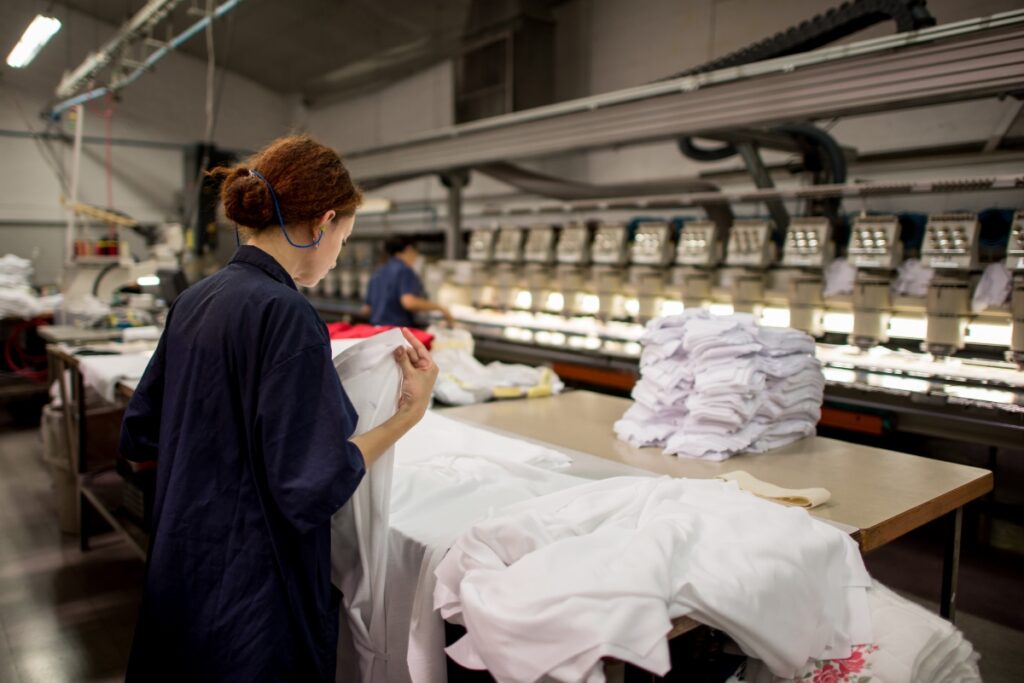
3. Ethical Manufacturing
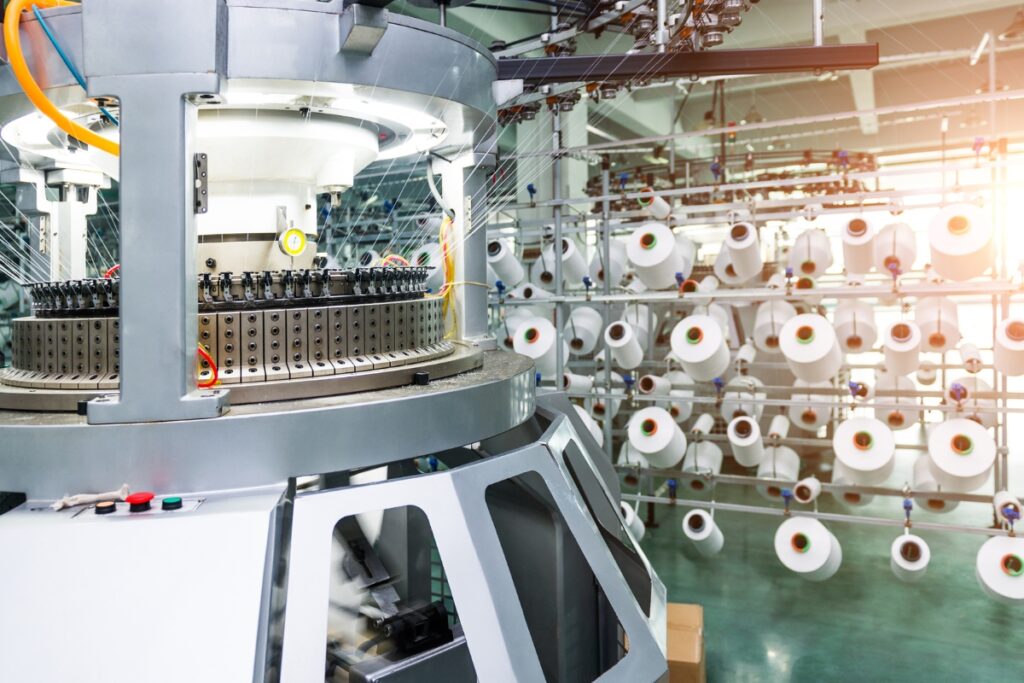
Sustainable fashion prioritises transparency in supply chains, ensuring fair wages, safe working conditions, and environmentally conscious processes.
Why Recognising Sustainability in Fashion Matters
The Sustainability Award celebrates organisations that lead the way in environmentally responsible innovation. Recognising companies in the fashion industry that prioritise ethical practices and environmental conservation is crucial to accelerating global change.
The award programme encourages industry-wide transformation and raises awareness of the need for ethical fashion by awarding businesses, designers, and brands that implement sustainable solutions.
The Role of the Sustainability Award
By celebrating businesses that lead in sustainable innovation, the Sustainability Award plays a vital role in promoting global change. Recognising trailblazing brands in sustainable fashion encourages industry-wide transformation and inspires others to follow suit.
If your organisation or product is making an impact, apply for the Sustainability Award today and join a community committed to building a greener future.
Elevate your impact
Apply for a Global Sustainability Award
Get recognised internationally as a sustainability leader.
Applying is quick, free and easy.