
Your cart is currently empty!
Sustainable Furniture: Choosing Materials That Are Better for the Planet
What are the most sustainable materials for furniture, and why? This guide explores eco-friendly materials, their benefits, and how they shape the future of interior design.
What Makes a Furniture Material Sustainable?
A material is considered sustainable when:
- It comes from renewable sources, is easily replenished, and does not deplete natural resources.
- Has a low environmental impact – Minimal carbon emissions and resource consumption.
- It is durable and long-lasting, so reduces waste by extending product life.
- Is recyclable or biodegradable – Ensures minimal waste at the end of its lifecycle.
- It is ethically sourced and produced under fair labor and environmentally responsible conditions.
Selecting sustainable furniture materials makes homes and businesses healthier and more environmentally conscious by lowering waste, pollution, and deforestation.
The Most Sustainable Materials for Furniture
1. Bamboo
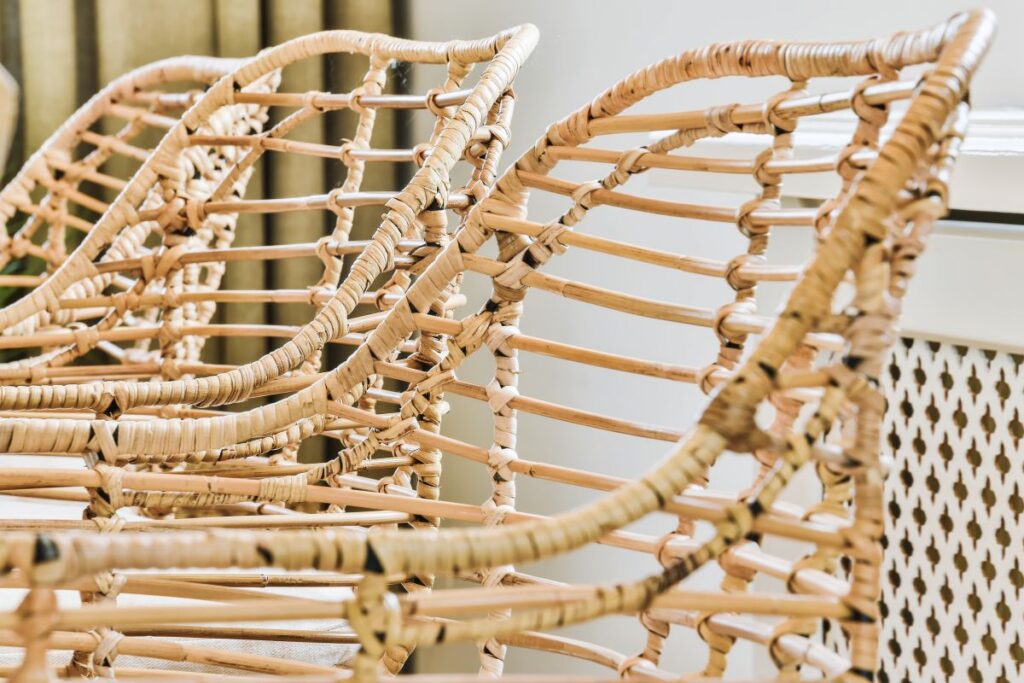
Why It’s Sustainable:
- One of the fastest-growing plants in the world, regenerating naturally.
- Requires no pesticides or fertilizers to grow.
- Strong, lightweight, and highly durable.
- Absorbs carbon dioxide from the atmosphere while growing, making it carbon-negative.
Common Uses:
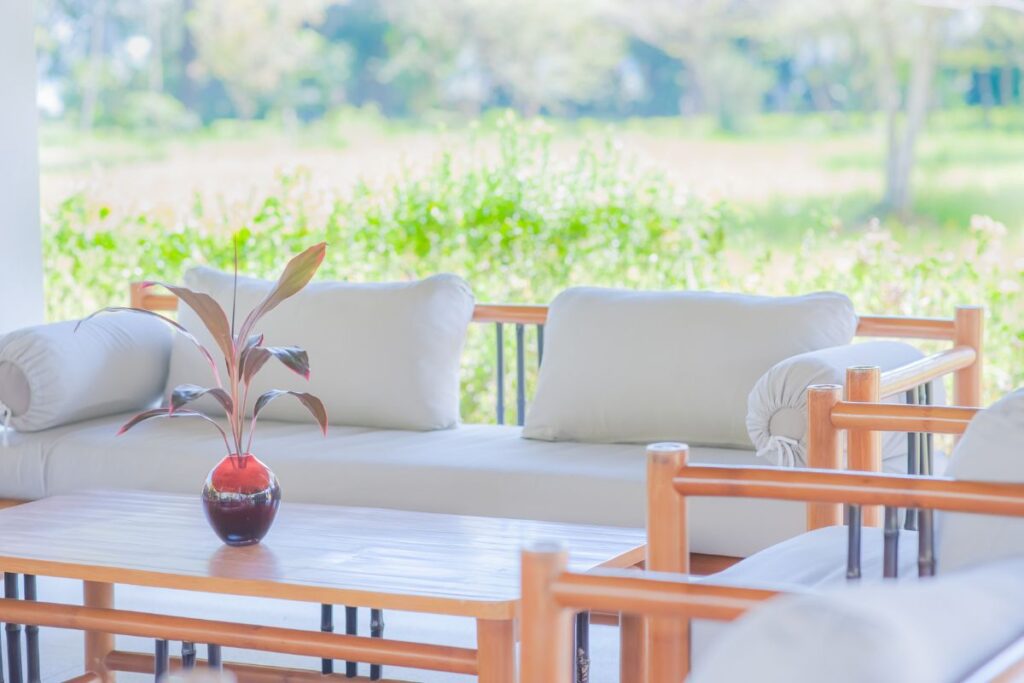
- Chairs, tables, shelving, bed frames.
Example Brands Using It:
- Greenington – Bamboo-based modern furniture.
- Medley Home – Offers eco-friendly bamboo and reclaimed wood furniture.
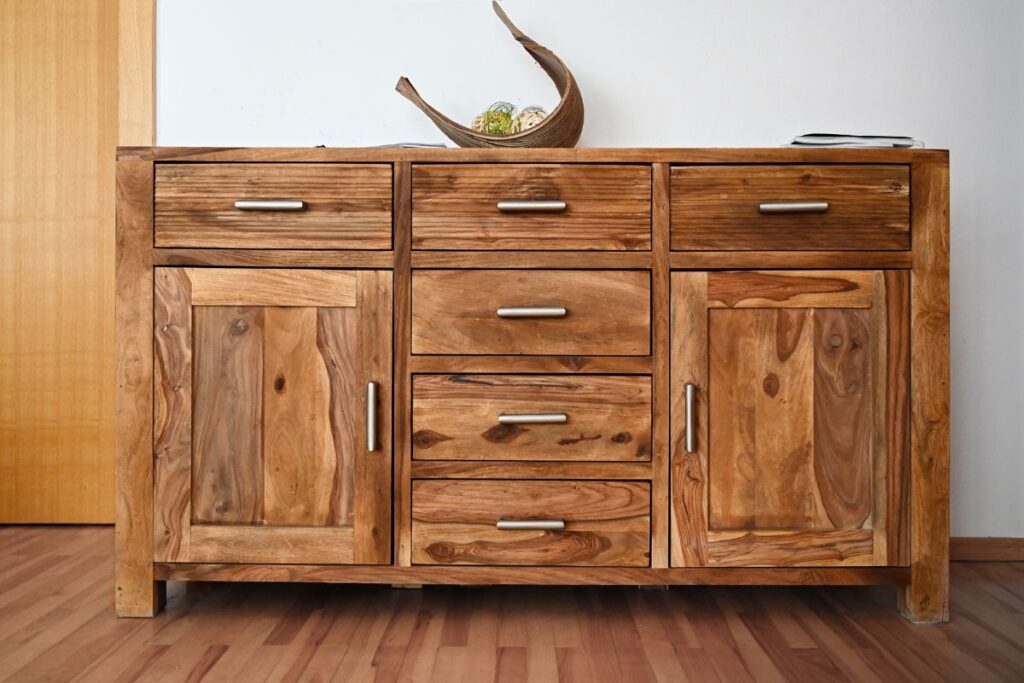
2. Reclaimed Wood
Why It’s Sustainable:
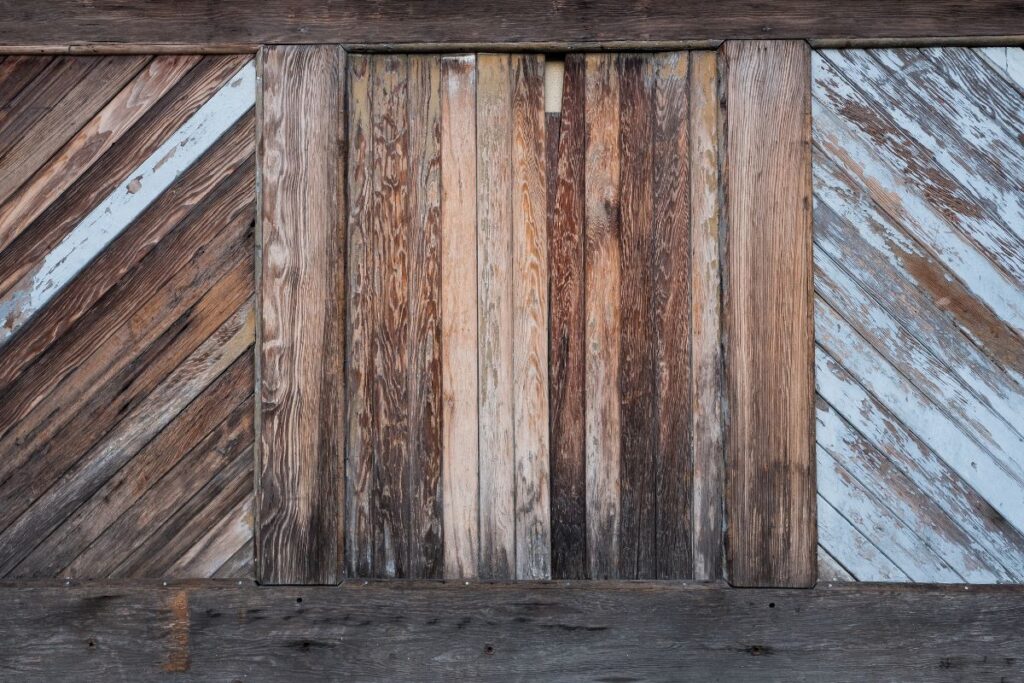
- Prevents deforestation by repurposing old Wood.
- Gives a second life to materials from old buildings, barns, and furniture.
- It has unique textures and character, reducing the need for new resources.
Common Uses:
- Dining tables, cabinets, flooring, wall panels.
Example Brands Using It:
- Rustic Trades – Handcrafted reclaimed wood furniture.
- Vermont Woods Studios – Ethically sourced reclaimed and FSC-certified Wood.
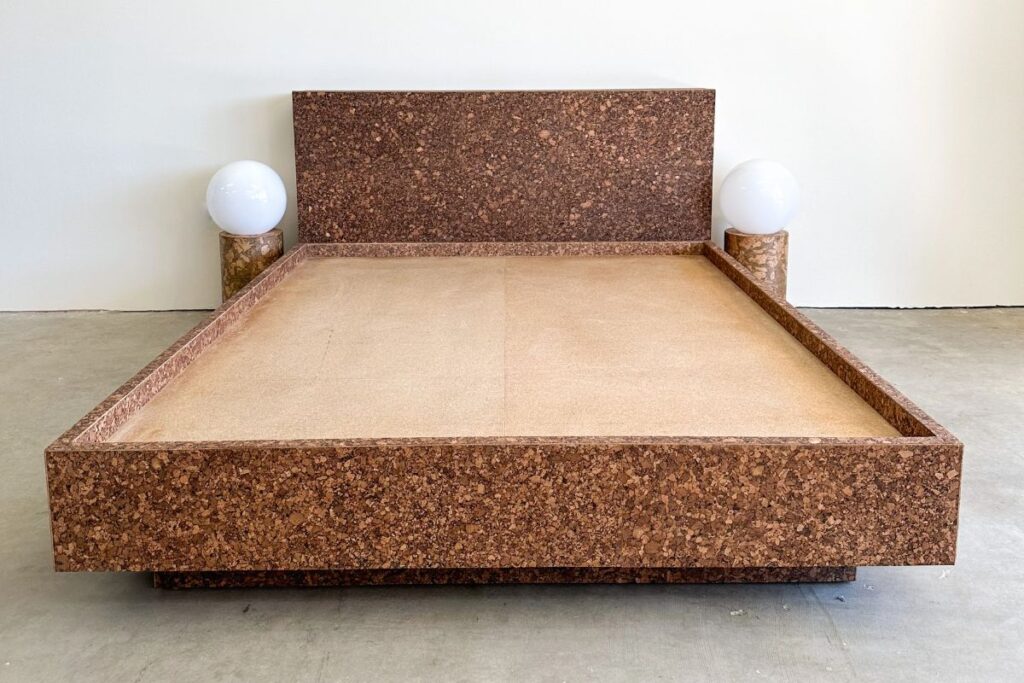
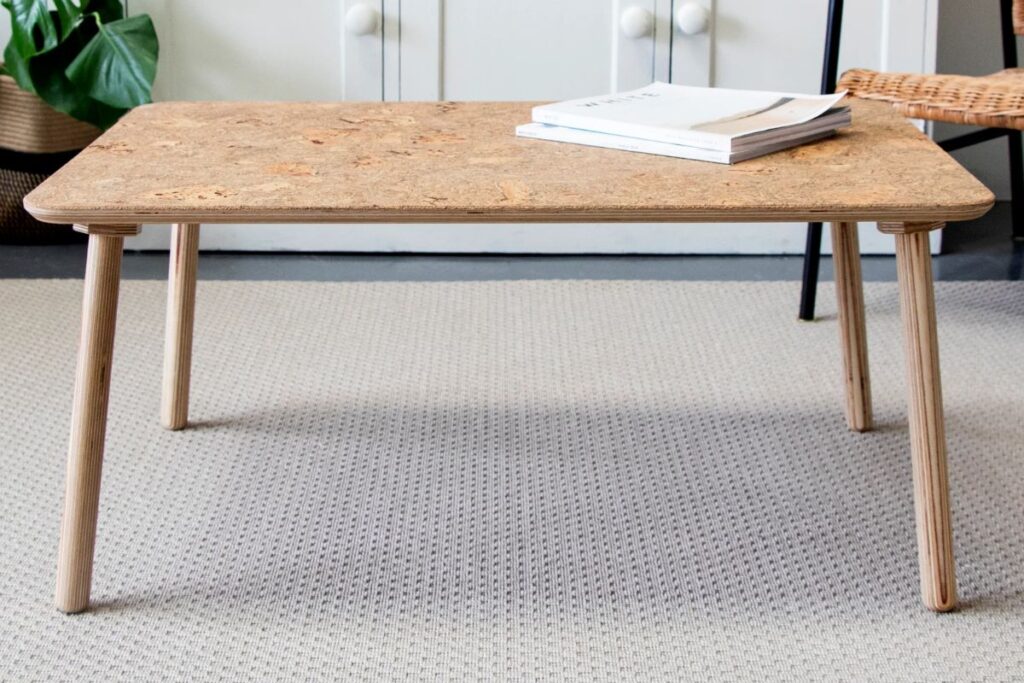
3. Cork
Why It’s Sustainable:
- Harvested from cork oak trees without cutting them down.
- Naturally fire-resistant, waterproof, and biodegradable.
- Absorbs carbon dioxide from the atmosphere while growing, making it carbon-negative.
Common Uses:
- Chairs, tables, decorative panels, acoustic furniture.
Example Brands Using It:
- Granorte – Cork-based furniture and home decor.
- IKEA – Uses cork in various furniture pieces.
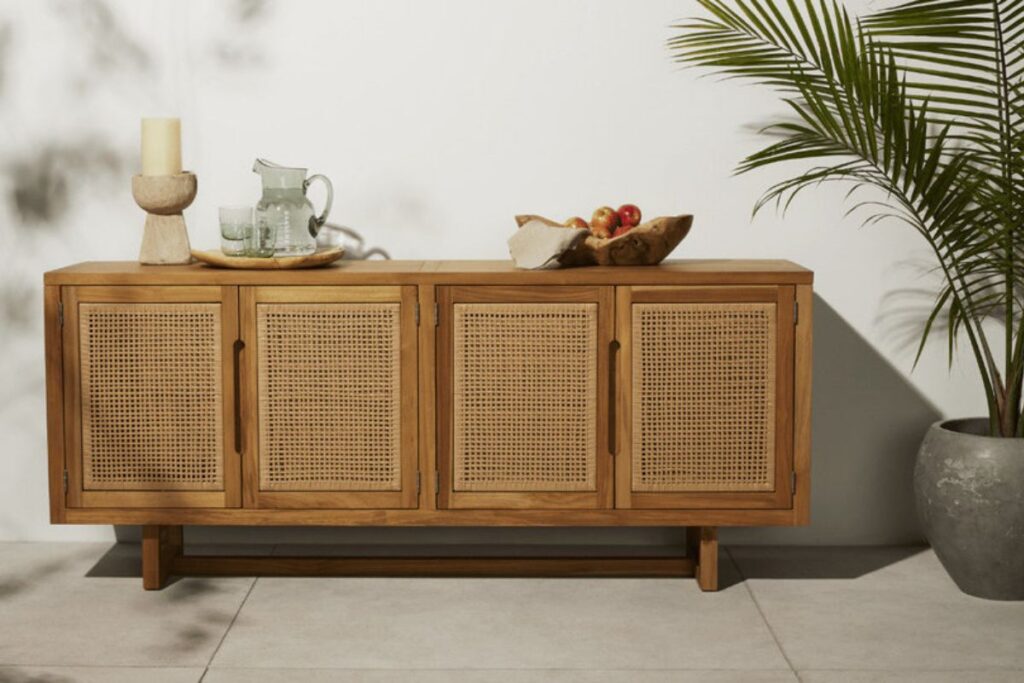
4. FSC-Certified Wood
Why It’s Sustainable:
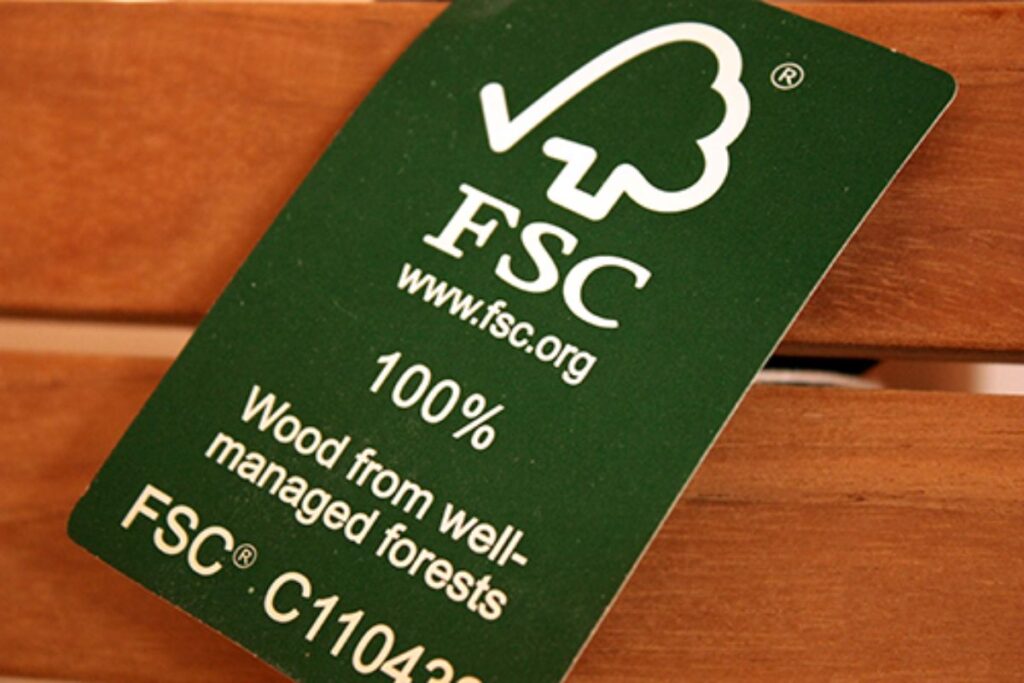
- Sourced from responsibly managed forests certified by the Forest Stewardship Council (FSC).
- Supports reforestation efforts and sustainable logging practices.
- Ensures no illegal logging or deforestation.
Common Uses:
- Cabinets, dressers, desks, shelving units.
Example Brands Using It:
- West Elm – FSC-certified wood collections.
- Ethnicraft – Sustainable hardwood furniture.
5. Recycled Metal
Why It’s Sustainable:
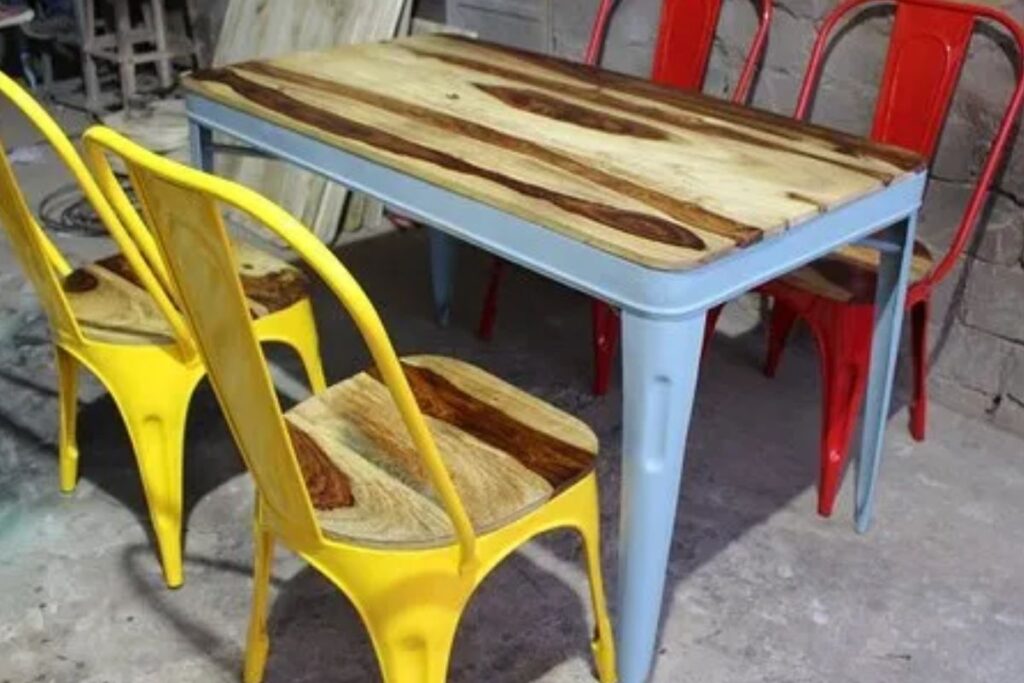
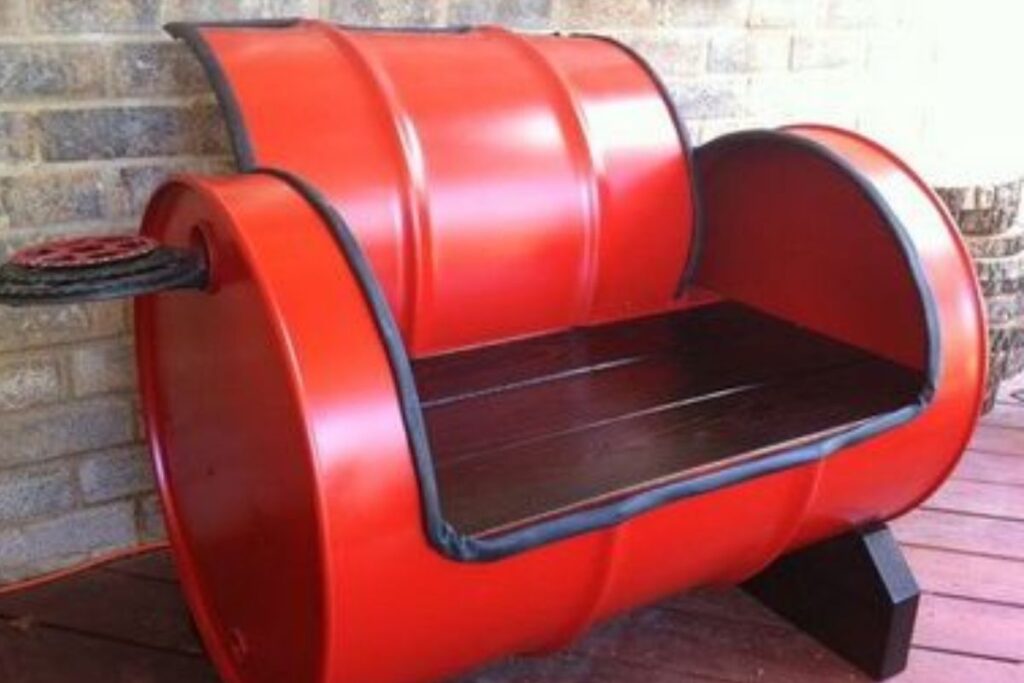
- Requires 75 percent less energy to produce than virgin metal.
- Highly durable and recyclable at the end of its lifespan.
- It is long-lasting and resistant to fire, dampness, and pests.
Common Uses:
- Table frames, chairs, bed frames, and shelving units.
Example Brands Using It:
- Emeco – Makes chairs from recycled aluminum.
- Steelcase – Uses sustainable steel and aluminum.
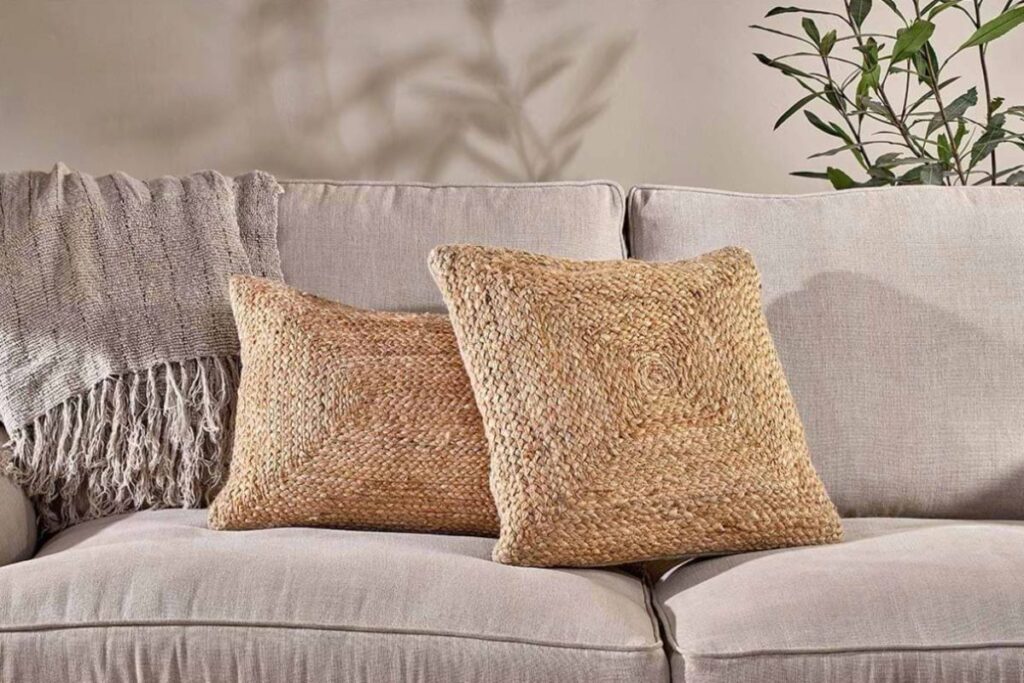
6. Hemp Fabric & Upholstery
Why It’s Sustainable:
- Grows without pesticides and needs less water than cotton.
- Absorbs carbon dioxide from the atmosphere while growing, making it carbon-negative.
- Naturally mould-resistant, durable, and breathable.
- Fully biodegradable and compostable at the end of its life.
Common Uses:
- Sofas, cushions, curtains, eco-friendly upholstery.
Example Brands Using It:
- Hemp Organic Life – Specializes in hemp home textiles.
- Rawganique – Offers hemp-based upholstery and cushions.
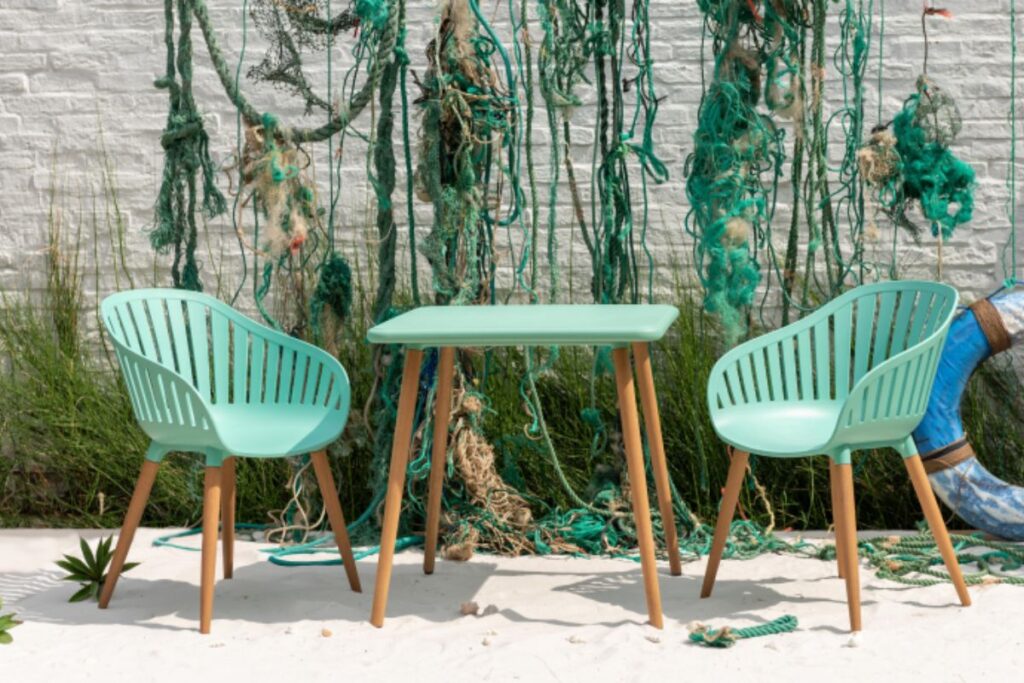
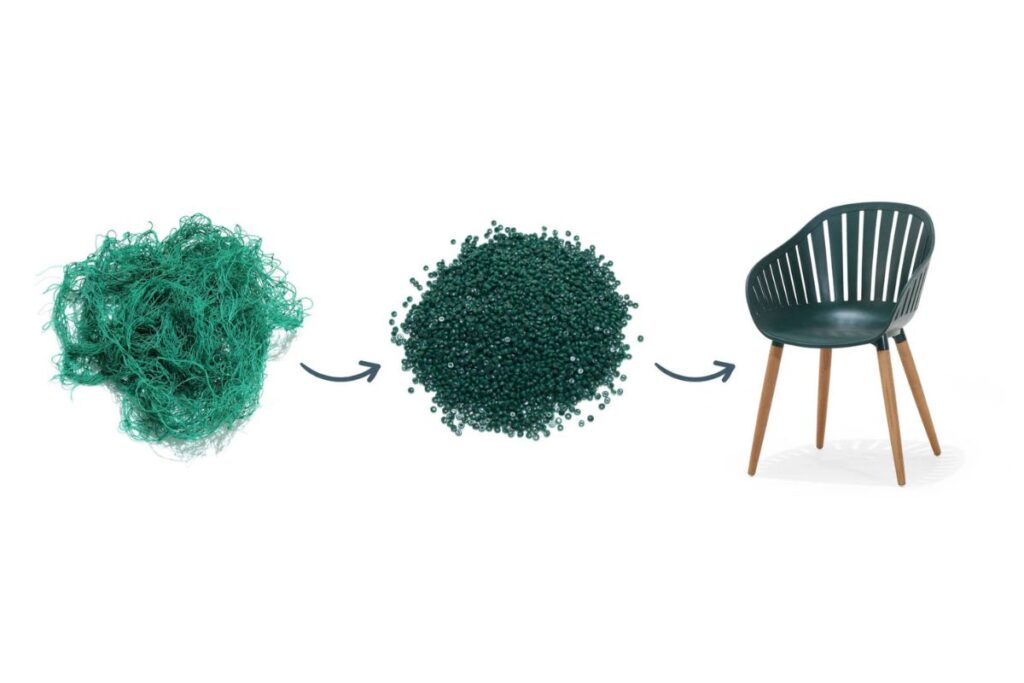
7. Recycled Plastic & Ocean Waste Materials
Why It’s Sustainable:
- Repurposes plastic waste into durable furniture.
- Large items like furniture are less likely to break down into microplastics than smaller items like packaging.
- Helps reduce pollution in oceans and landfills.
- It can be recycled again at the end of its life.
Common Uses:
- Outdoor furniture, chairs, tables, benches.
Example Brands Using It:
- Loll Designs – Makes modern outdoor furniture from recycled plastics.
- Seaqual Initiative – Converts ocean plastic into sustainable materials.
The Future of Sustainable Furniture
As sustainability becomes a priority in design, furniture brands are shifting toward eco-friendly materials and circular economy practices. Innovations like 3D-printed biodegradable furniture, mushroom-based materials (mycelium), and bio-based resins are further pushing the industry toward a waste-free future.
Choosing sustainable furniture materials helps:
- Reduce deforestation and pollution.
- Reduce carbon emissions.
- Support ethical and fair-trade practices.
- Create healthier, toxin-free indoor spaces.
By making conscious choices, both businesses and consumers can contribute to a more sustainable and responsible furniture industry.
Does Your Business Use Sustainable Materials for Furniture? Get Recognized
It’s time to demonstrate your influence if your business is dedicated to sustainable materials, circular design, or eco-friendly furnishings.
Apply for the 2025 Sustainability Award and gain global recognition for your sustainability efforts.
- Get featured among top sustainability leaders.
- Build trust and credibility with conscious consumers.
- Be part of the global movement toward sustainable design.
Receive special offers from the best eco brands
Conscious consumers
Register for exclusive offers & giveaways from our winning sustainable products and services in your region.