Your cart is currently empty!
What Is Plastic Negative?
Going beyond plastic-free
Plastic pollution is one of the biggest environmental challenges of our time. With over 400 million tons of plastic waste produced annually, much of it ends up in landfills, oceans, and ecosystems, causing lasting damage. While many businesses and individuals are working to reduce plastic use, some are going a step further by becoming plastic negative.
But what does plastic negative mean? How does it work, and why is it different from being plastic neutral? This article explores plastic negative in different contexts, how businesses are implementing it, and why it is a critical step toward a waste-free future.
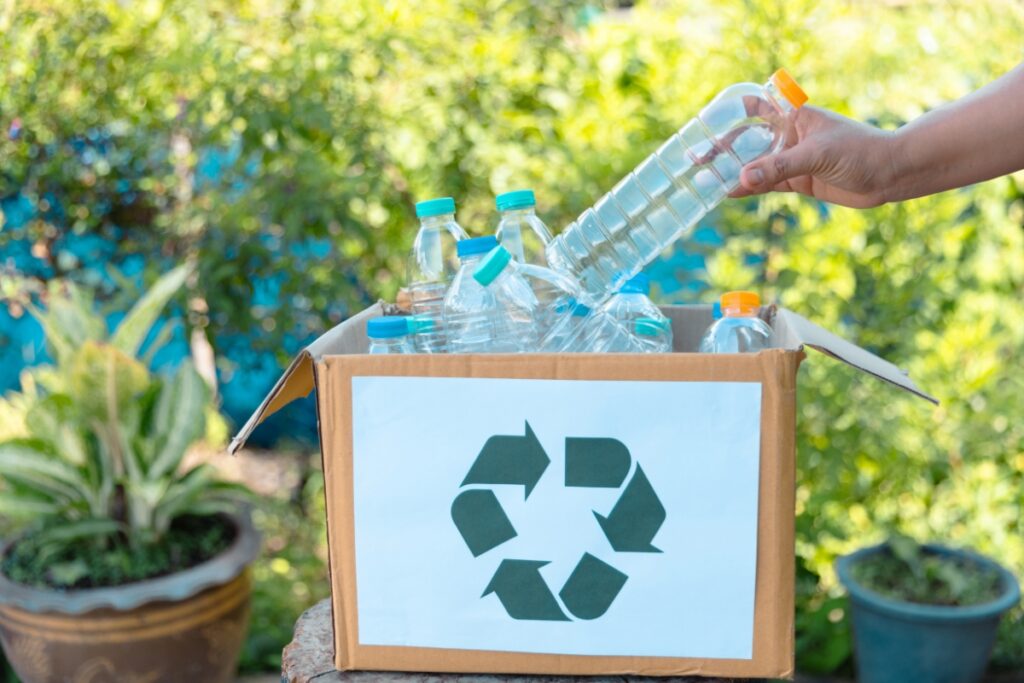
What Does Plastic Negative Mean?
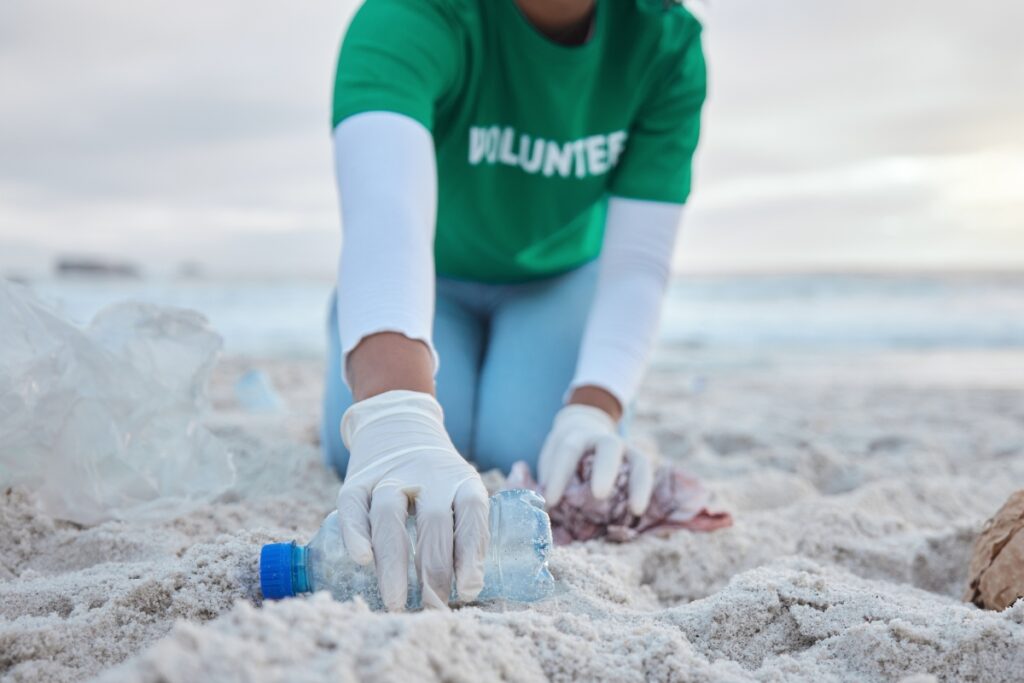
Being plastic negative means an individual, company, or organization removes more plastic from the environment than they produce or consume. This concept is similar to carbon negative, where an entity offsets more carbon emissions than it emits.
The goal of plastic negativity is to:
- Reduce plastic consumption at the source
- Offset existing plastic pollution by removing more than is used
- Support circular economy initiatives like recycling and plastic upcycling
Unlike plastic neutral (the equivalent of carbon mitigation or offsetting), which balances plastic production with equal removal, plastic negative initiatives go further by removing more than the plastic used.
How Does Plastic Negative Work?
Companies and individuals can become plastic negative through a mix of strategies, including:
1. Reducing Plastic Use at the Source
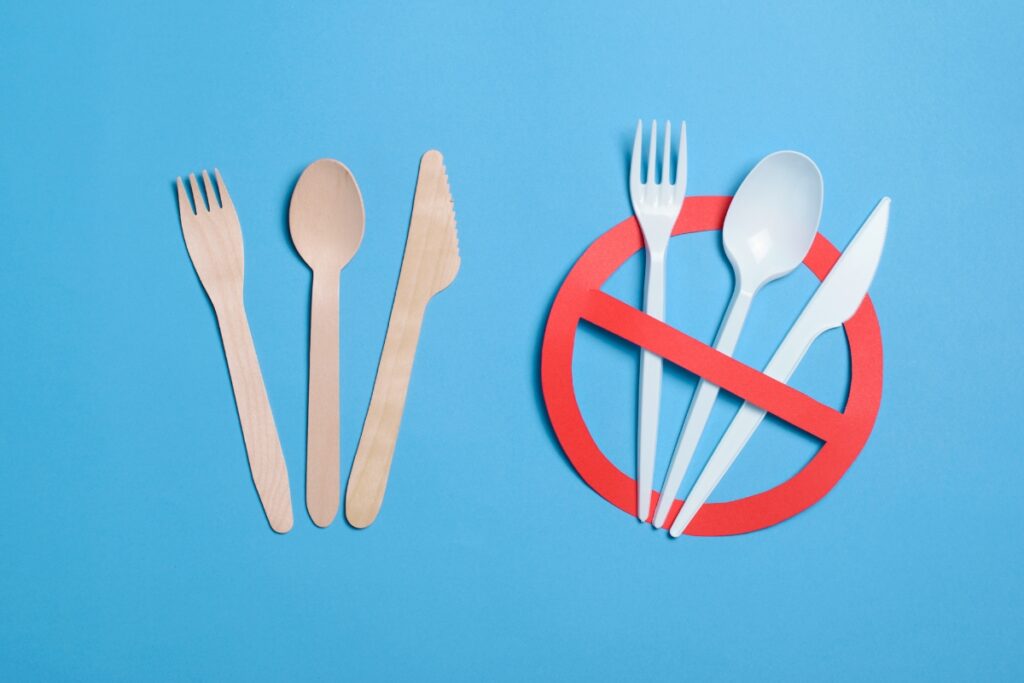
- Switching to biodegradable or compostable alternatives
- Eliminating single-use plastics in packaging and production
- Choosing recyclable materials
2. Removing More Plastic Than Used
- Funding plastic cleanup initiatives in oceans, rivers, and communities
- Supporting plastic waste recycling programs in developing countries
- Investing in plastic upcycling to create sustainable products
3. Partnering with Plastic Waste Recovery Programs
Many brands collaborate with certified plastic recovery organizations to measure and offset their plastic footprint. These programs remove plastic waste from polluted areas and invest in recycling infrastructure.
Examples of Plastic Negative Companies
Many brands are leading the way to become plastic negative, proving that businesses can be profitable and sustainable.
1. rePurpose Global (Global)
- Works with brands to certify plastic negative status
- Removes twice the plastic footprint of partner companies
- Has recovered over 14 million kilograms of plastic waste
2. Grove Collaborative (USA)
- A personal care and household brand committed to plastic negativity
- Offsets 100% of plastic used by funding plastic removal projects
- Focuses on zero-waste and refillable products
3. CleanHub (Europe, Asia, Africa)
- Helps businesses remove twice their plastic footprint
- Partners with local waste management initiatives
- Focuses on coastal cleanup projects
These brands demonstrate that plastic-negative strategies can drive sustainability, customer loyalty, and corporate responsibility.
Pros and Cons of Plastic Negative Programs
Pros
- Removes plastic waste from the environment
- Encourages corporate responsibility and waste management innovation
- Helps businesses meet sustainability goals
- Supports circular economy practices
Cons
- Not a substitute for plastic reduction – Businesses must first minimize plastic use before offsetting it
- Verification can be complex – Companies need credible partners for accurate tracking
- Costs involved – Implementing plastic-negative programs can require upfront investment
Despite challenges, plastic-negative initiatives are crucial in addressing plastic pollution while supporting sustainable business models.
Why Businesses and Consumers Should Aim for Plastic Reduction First
While plastic negative initiatives are beneficial, reducing plastic consumption before offsetting it is the most effective approach.
Best Practices for Businesses and Consumers:
- Minimize plastic use first – Switch to reusable, biodegradable, or recyclable alternatives.
- Support plastic-negative brands – Choose businesses that go beyond neutralizing their impact.
- Offset only when necessary – Plastic offsets should complement, not replace, reduction efforts.
By combining plastic reduction with plastic mitigation, businesses can create long-term solutions for a waste-free economy.
Does Your Business Focus on Plastic Reduction or Waste Recovery? Get Recognized
If your business is committed to plastic reduction, waste recovery, or circular economy initiatives, it is time to showcase your impact.
Apply for the 2025 Sustainability Award and gain global recognition for your sustainability efforts.
- Get featured among top sustainability leaders
- Build trust and credibility with eco-conscious consumers
- Be part of the global movement toward a plastic-free future
Elevate your impact
Apply for a Global Sustainability Award
Get recognised internationally as a sustainability leader.
Applying is quick, free and easy.