Your cart is currently empty!
The Most Sustainable Refill Systems
Beyond the Bin: Transitioning to Circular Packaging with Refill Systems
The most sustainable refill systems have the potential to drastically reduce waste, energy, emissions and water use. With the escalating environmental crisis of climate change, pollution and plastic waste, the urgency to transition from single-use packaging to sustainable alternatives has never been more critical. With over 8.2 billion people generating millions of tonnes of packaging waste annually, the environmental toll is staggering.
Why Single Use Plastic is so Problematic
Plastic is energy intensive to produce, and a shocking 80% ends up in landfills or the natural environment, with less than 10% ever being recycled. Many plastic types are not recyclable, and even those that are can typically only be recycled a limited number of times, generally 1-3 times, before the material degrades and becomes unusable. This is due to the polymer chains breaking down during the recycling process, weakening the plastic…This stark reality underscores the imperative for innovative closed loop solutions that minimize waste and promote resource efficiency.
What are the Most Sustainable Refill Systems?
Refills are a leading solution to reducing packaging waste, CO₂ emissions, energy, and water used to produce and transport products. The product formulation and packaging plays a big role in the efficiency of a refill system, with solid and powdered formats being especially sustainable as they’re lightweight and can be packaged without plastic. While glass, aluminium and paper are energy intensive to manufacture, when used in a refill system the big difference compared with plastic is that they are highly recyclable and reusable. This means when used as part of a circular, closed loop refill system instead of single use packaging, these materials are the most sustainable.
This article serves as a guide for both businesses and consumers to assess the best most sustainable refill systems for the environment, as well as other considerations such as cost savings, practicality and convenience.
Why Refill Systems Matter: A Paradigm Shift in Consumption
Refill systems represent a fundamental shift in consumer behaviour, moving away from the entrenched culture of disposable products towards a circular economy of reusable and refillable alternatives. By reusing containers and packaging, refill systems significantly cut down the production and disposal of single-use plastics. This not only conserves precious resources and reduces pollution, but also dramatically reduces the carbon emissions associated with manufacturing and transportation.
“Studies indicate that opting for a refill over a new product can save up to 70% in CO₂ emissions, 65% in energy, and 45% in water. This tangible reduction in environmental impact underscores the transformative potential of refill systems.” (Source: The LCA Centre)
Sustainabilityaward.org
What is The Goal of a Refill System?
The main goal of a refill system is to reduce waste and environmental impact by allowing consumers to reuse containers instead of discarding them after one use. This approach minimises plastic consumption (plastic being the most problematic material to recycle), lowers carbon footprints, and can provide cost savings to both consumers and businesses in the long run.
“While refills in plastic packaging can reduce plastic waste if they use thinner or less plastic compared to single-use items, they don’t eliminate plastic. For maximum sustainability, refills in non-plastic materials are the ideal solution.”
Sustainabilityaward.org
Types of Refill Systems: Tailoring Solutions to Product Categories
Refill systems can be categorised based on product type and refilling approach, each presenting distinct advantages and considerations. The most sustainable refill system depends on the particular product. Refills work well for many everyday products, from personal care and beauty to food and drink and household cleaning, crafts and homeware.
1. Liquid Refills: Balancing Convenience, Durability, Weight and Hygiene
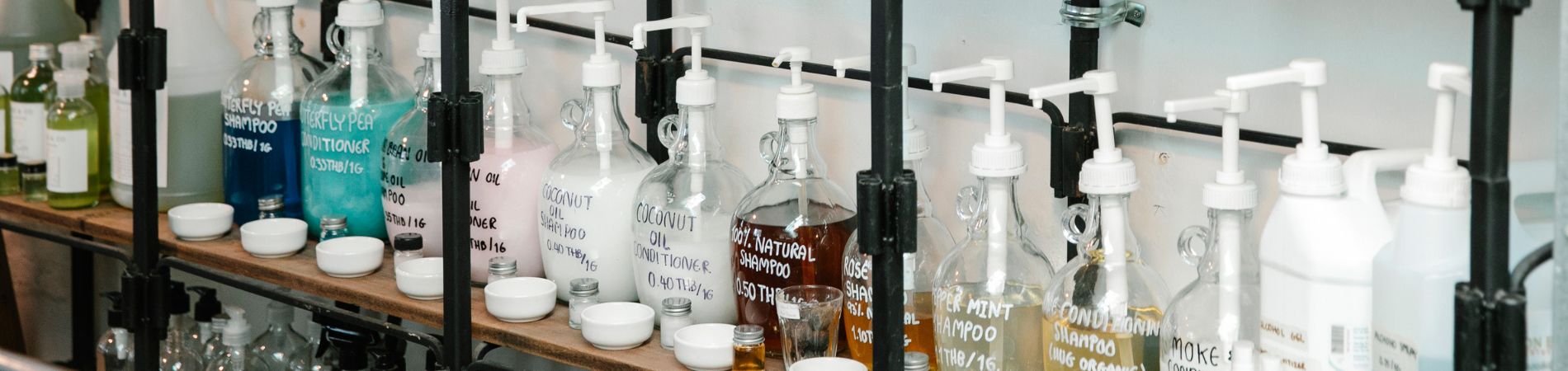
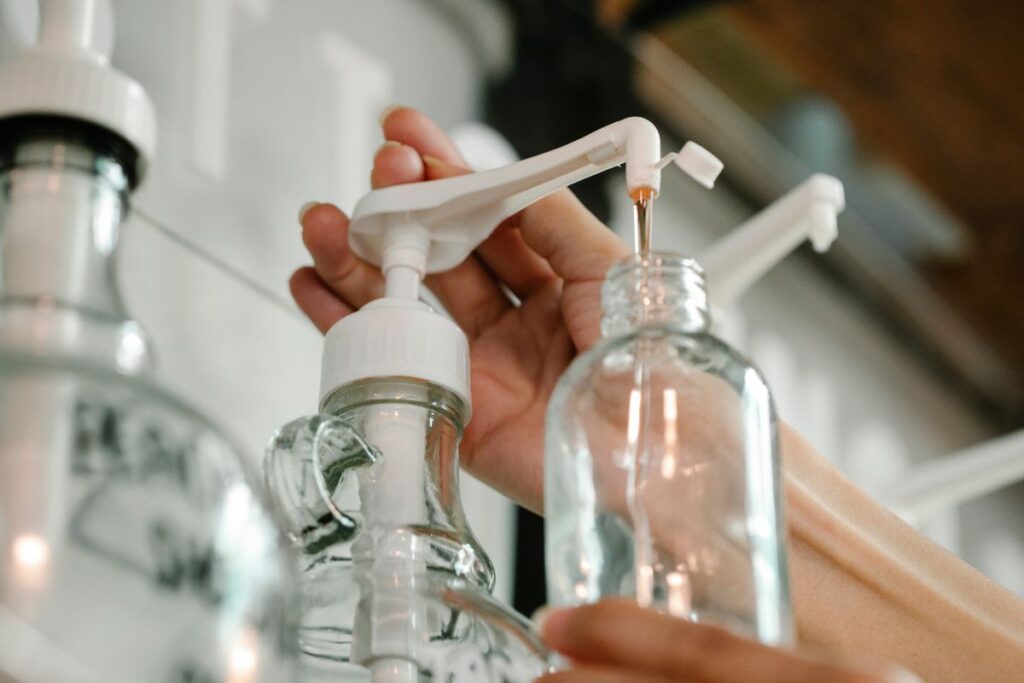
Liquid refills involve replenishing liquids like shampoos, detergents, cooking oils or drinks into reusable containers. As many consumers are accustomed to using liquid-based products, easy and efficient refill solutions for liquid products are an essential part of moving to a circular economy.
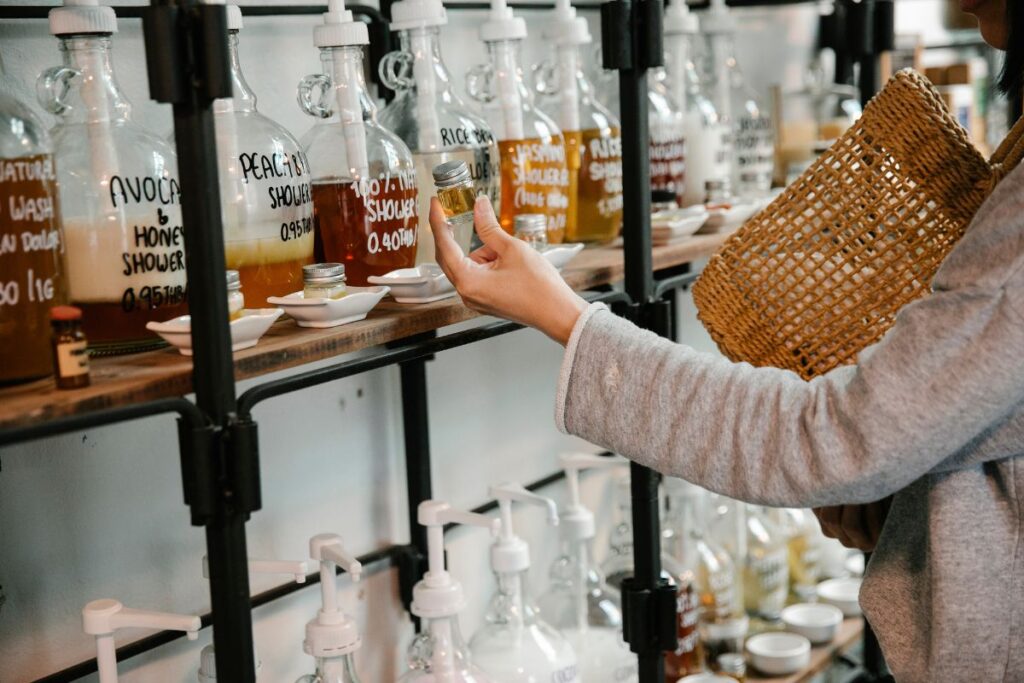
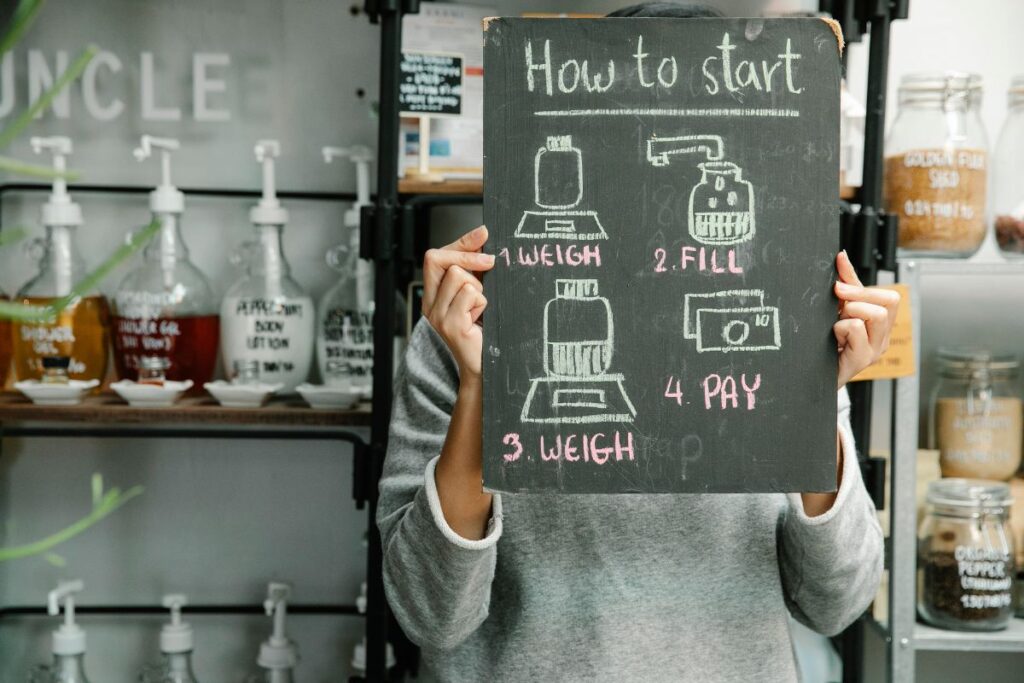
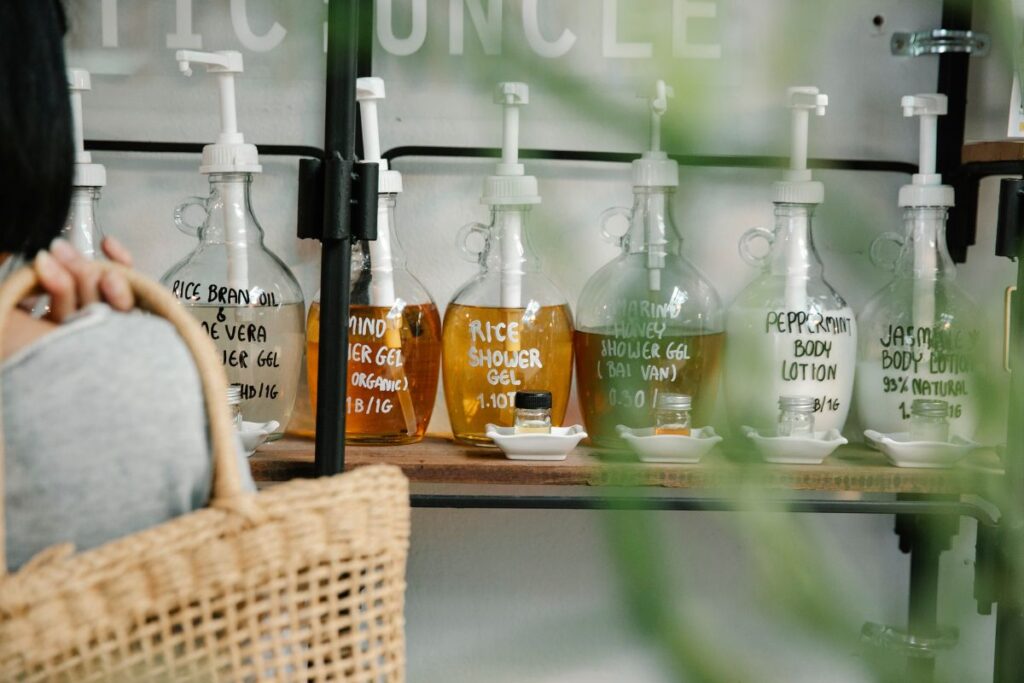
- In-Store Refills: Consumers directly refill their containers at retail locations, fostering a direct connection with sustainable practices. Hygiene is an important consideration with this system; it’s important that the container being refilled is properly sanitised, and won’t contaminate the bulk refill vessel.
- At-Home Refills: Brands provide refill pouches or bottles, enabling consumers to replenish their existing containers conveniently at home.
- Replacement Bottles: By sending a full, replacement plastic-free bottle of the same size with an aluminium lid, consumers can keep the original pump dispenser and avoid plastic waste. Glass or aluminium bottles avoid plastic waste entirely.
- Bulk Refills: Consumers order large bulk refills of the liquid product, which can refill the original bottle several times. The refill vessel can be metal, glass or plastic depending the size and style.
- Refill Pouches: Refill pouches have the advantage of being lighter and using less packaging materials than full bottles or jars, and customers can refill their original container at home. Refill pouches made from paper with compostable lining are suitable for lower volume liquids like serums and face oils. However pouches can have some drawbacks:
- Physically pouring the liquids is an extra, potentially messy step depending on the liquid consistency and the design of the pouch and bottle. Funnels and wide-mouthed bottles can help with this.
- Pouches for larger volume water-based liquids are often plastic, so while less plastic is used with refill pouches (as they’re thinner) than a single-use plastic bottle, this solution still creates plastic waste. The environmental footprint of plastic pouches can be reduced slightly by using bio plastics such as sugarcane plastic, which use less fossil fuels and generate less CO₂ in their production. Mixed-materials such as plastic-lined foil or paper should be avoided, as these cannot be recycled.
- Returnable Refill Systems: Products are delivered in durable, reusable containers, which are either collected by businesses or returned by consumers. These are then cleaned, sterilised and refilled by the business, establishing a closed-loop system. This method has the drawback of the extra logistics and potential carbon footprint of transportation back to the business, but carbon neutral delivery can balance this off.
These refill systems significantly reduce the need for new packaging to be produced by extending use of containers, while also reducing plastic waste.
2. Powder-Based Refills: Minimising Transportation Footprint
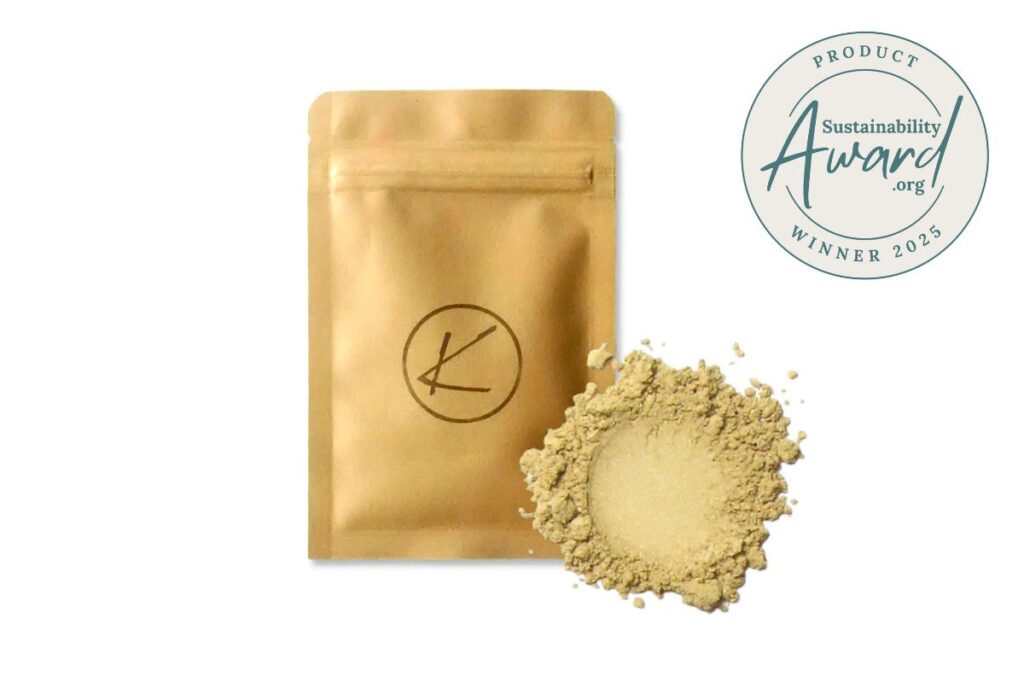
Powdered product refills can be for food, e.g. flour or spices, beauty products e.g. face powder or dry clay masks, or concentrated powders that consumers mix with water to create liquid products like laundry detergents, foaming hand washing or cleaning solutions. The reduced weight and volume of powdered refills translate to lower transportation costs and decreased carbon emissions. This product-type can be packaged very minimally in paper or cardboard sachets or pouches, which can be composted or recycled, making them a very sustainable approach. Some products need extra care to stay dry, and additional packaging such as thick cardboard boxes or tins can solve this.
- Powdered Products: Whether food or beauty, powder-based refills can happen in-store or online, with paper or cardboard refill pouches a common option, often with a compostable lining to keep products dry. Compostable is much more sustainable than plastic-lined pouches.
- Concentrated Powders: Consumers mix the powder with water at home to achieve the desired product consistency. This avoids transporting water.
- Powder-Based Tablets: products like dishwasher tablets are made with compressed powder, and can be easier to handle than loose powders. These are sometimes wrapped in dissolvable bio-plastic to prevent humidity damaging them. While technically a plastic, bio-plastic is not a true plastic.
Powder Refill System Example: Kylie’s Professional Cosmetics
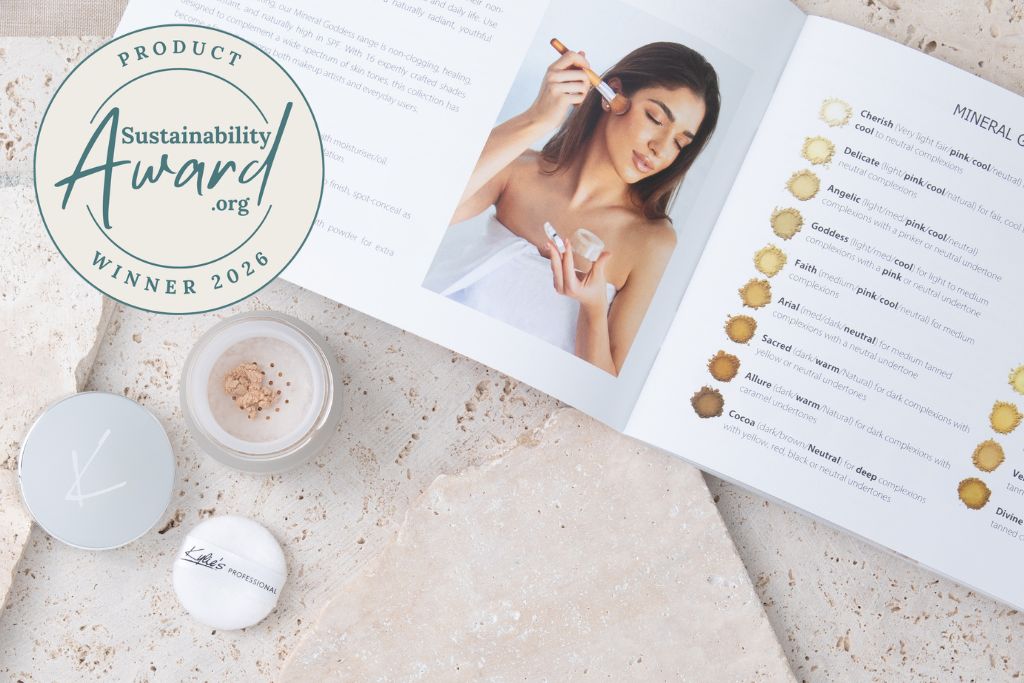
Kylie’s Professional has developed a thoughtful refill system across both loose and pressed powder makeup, designed to significantly reduce plastic while maintaining performance and usability. Their Product Sustainability Award-winning Mineral Goddess Loose Foundation, along with other loose powder products, is packaged in a durable glass jar with a custom silicone sifter insert. The jar is designed to be kept and refilled, with replacement powder supplied separately, allowing customers to reuse the primary packaging rather than repurchase it. This approach balances functionality, hygiene and sustainability, particularly for products that traditionally rely heavily on plastic sifters and containers.
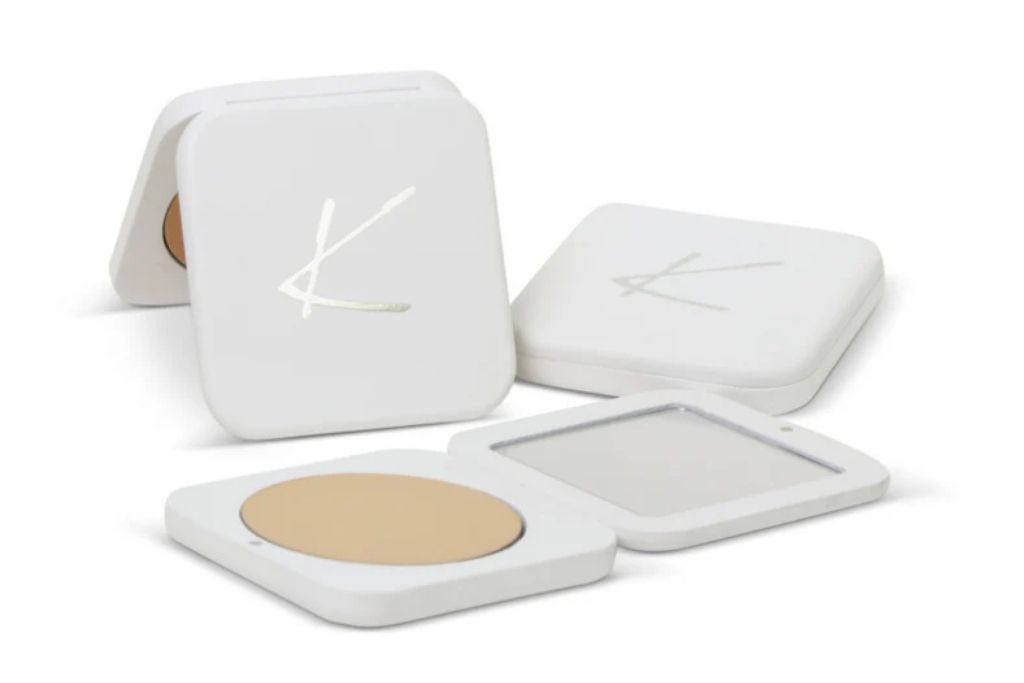
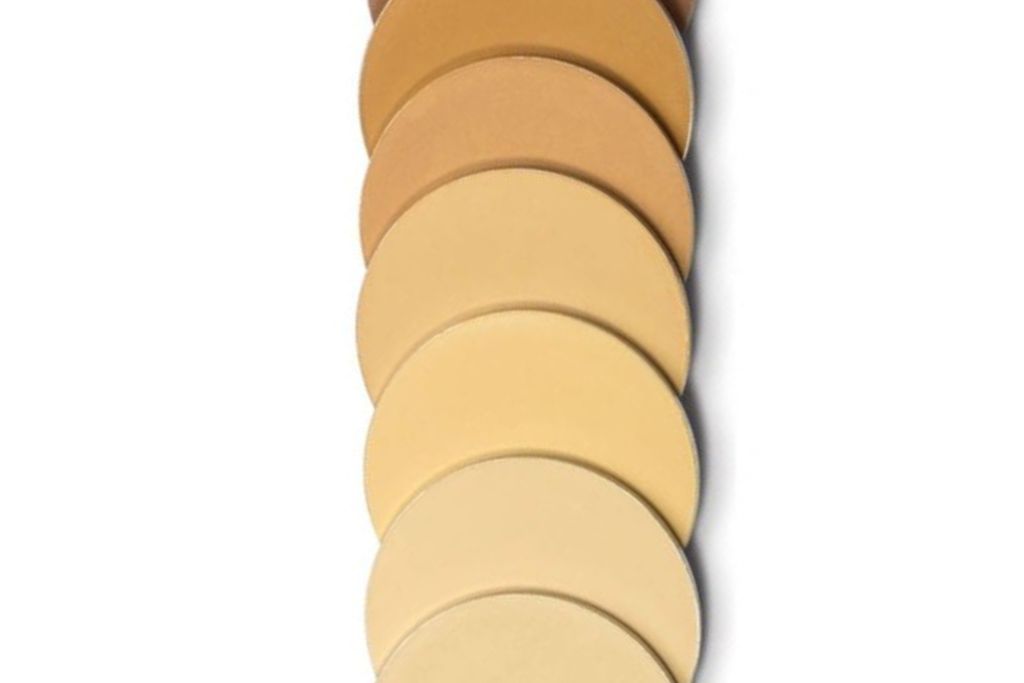
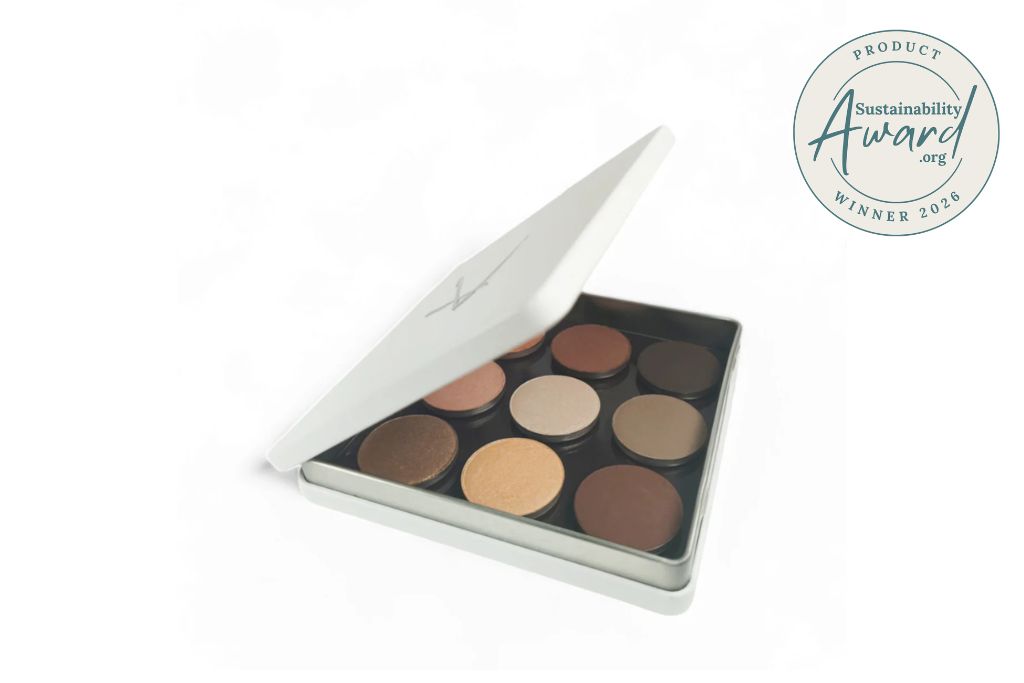
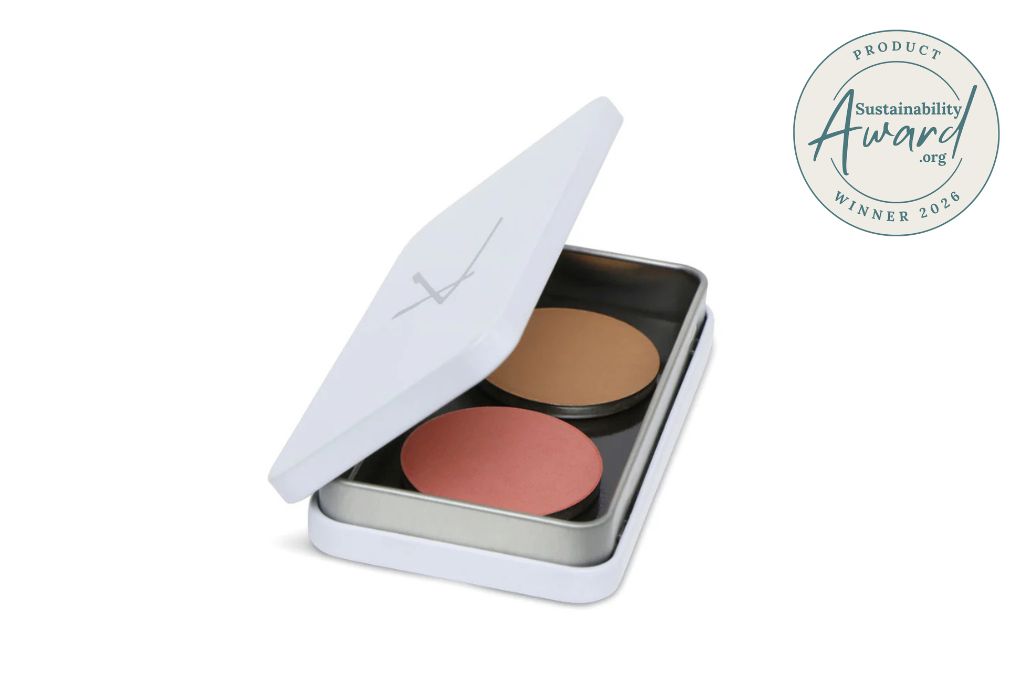
For pressed powder products such as their eyeshadow and cheek palettes, Kylie’s Professional uses aluminium compacts paired with magnetic aluminium pans. These allow individual shades to be easily replaced or rearranged without discarding the entire palette. This modular system reduces waste, supports long-term use and avoids the need for plastic-heavy single-use compacts. By combining refillable formats with durable, low-impact materials like glass and aluminium, Kylie’s Professional demonstrates a practical and scalable approach to reducing packaging waste in the beauty industry.
See all of Kylie’s Professional refillable and sustainable makeup.
Powder Refill System Example: ohGigi Tooth Powders
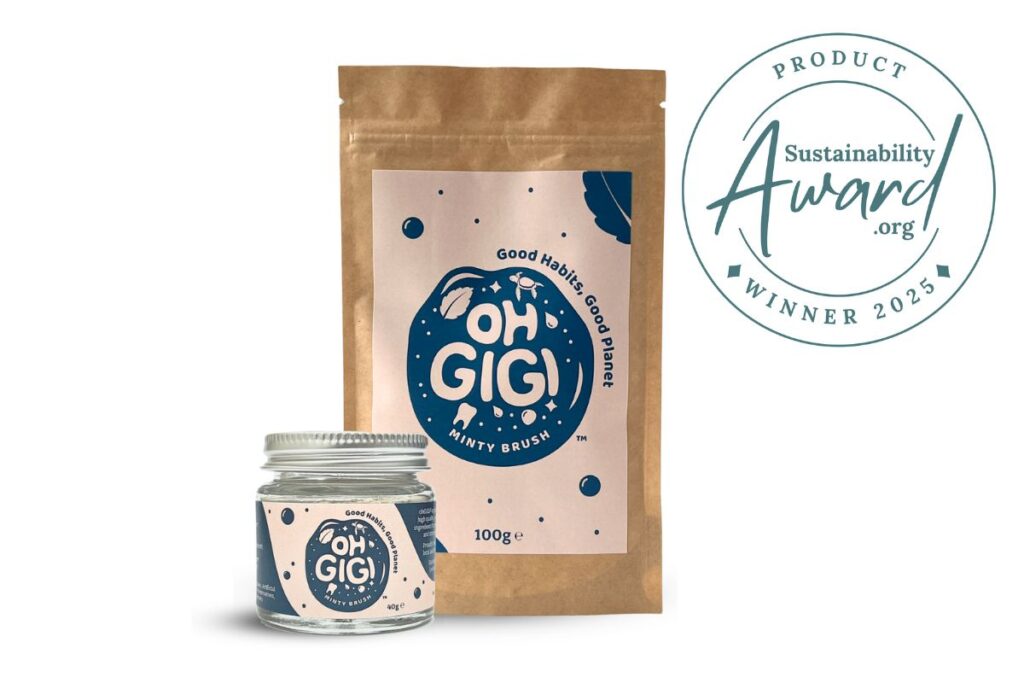
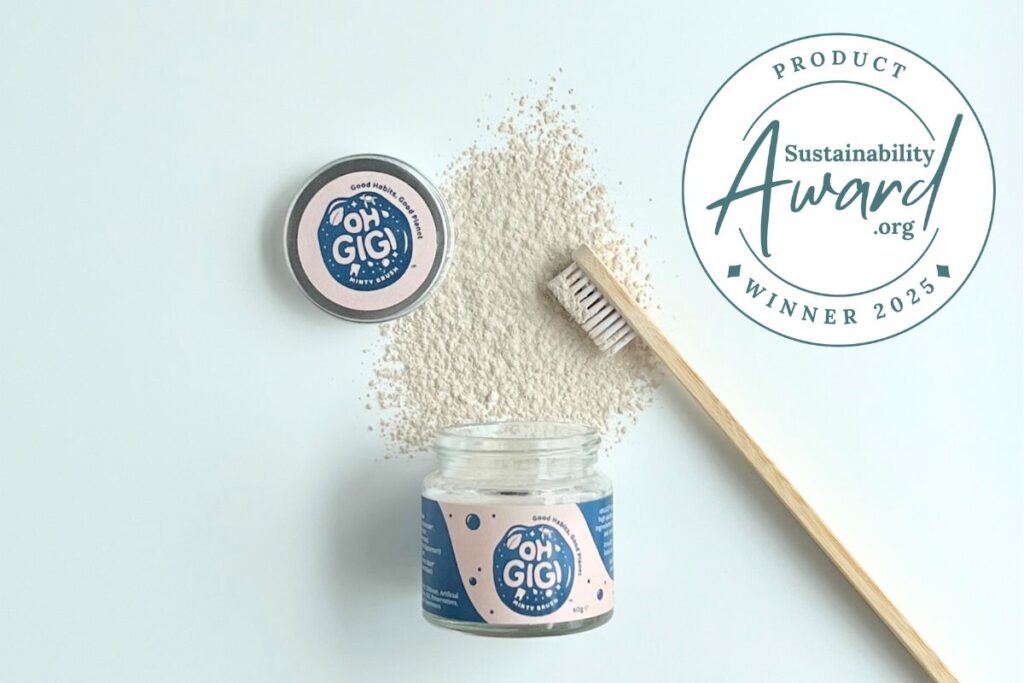
ohGigi tooth powders have a leading sustainable powder refill system designed to avoid plastic waste and make refilling simple and easy. ohGigi’s toxin-free, organic tooth powders come packaged in refillable glass jars with aluminium lids. The jars are durable and designed to be kept for life. Refills come packaged in compostable paper pouches which are easy and lightweight to send by post or transport. Powder is simply poured from the refill pouch to the jar. Empty pouches can then be recycled or composted, ensuring no plastic waste. Learn more about ohGigi’s Natural Refillable Tooth Powders.
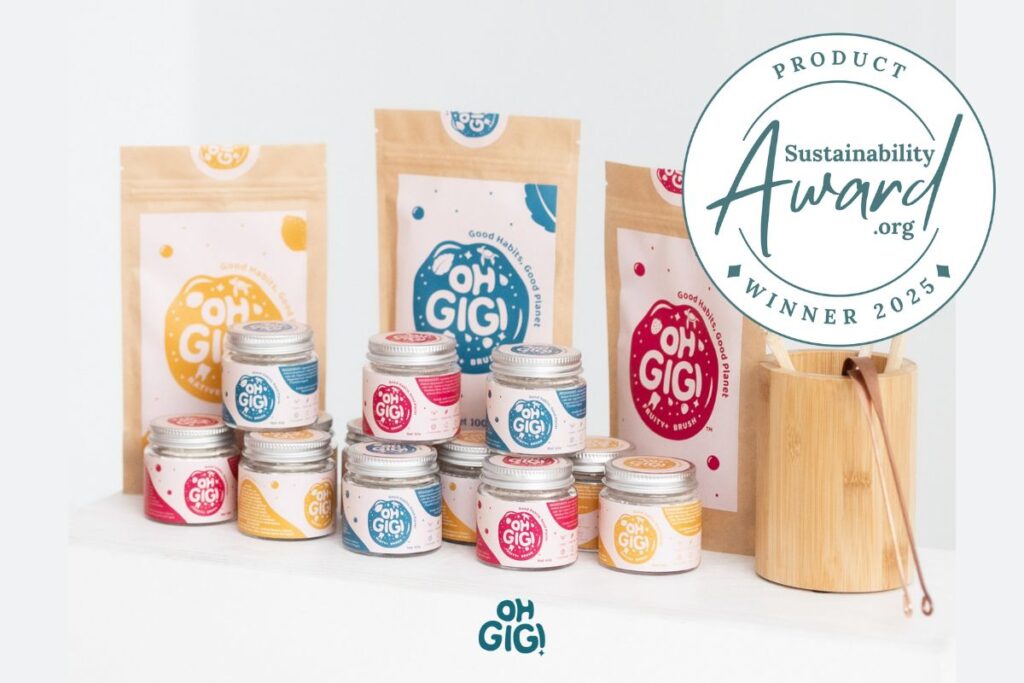
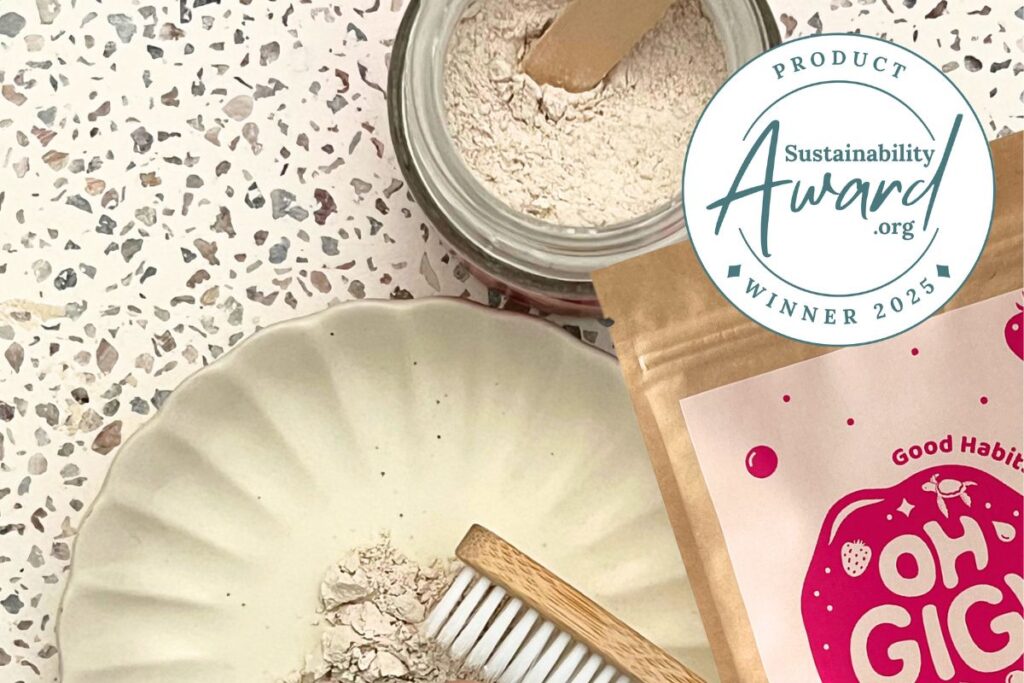
Over 1.5 billion traditional toothpaste tubes end up in landfill annually. These tubes, a complex mix of plastic and aluminium, can take up to 500 years to decompose, breaking down into harmful microplastics that pollute our waterways and infiltrate our food chain. That’s why innovative solutions like ohGigi refillable tooth powders are so important for the environment. This eco-innovation has been recognised with ohGigi winning Sustainability Awards for two consecutive years in a row, most recently the Diamond Product Sustainability Award.
“Biodegradable refill sachets are critical to our zero-waste ethos,” ohGiGi® emphasises. “Each refill sachet saves approximately 6.25 toothpaste tubes from landfill.” As of now, ohGiGi® has saved over 40,000 toothpaste tubes from landfill, showing promising progress towards their goal of diverting one million tubes.

3. Dry Goods Refills: Lightweight Packaging
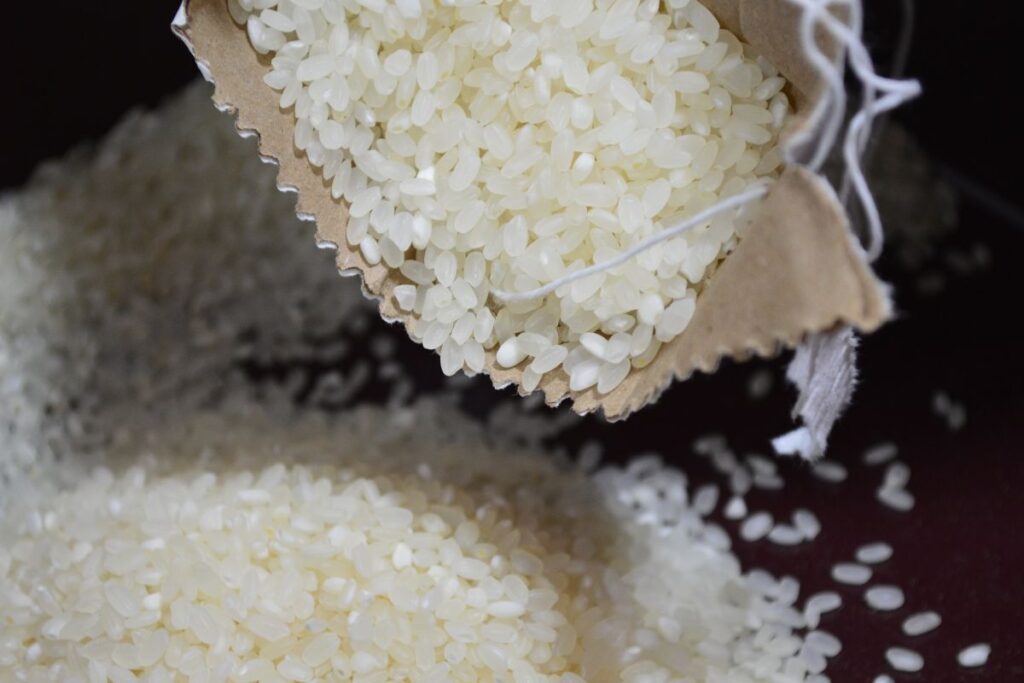
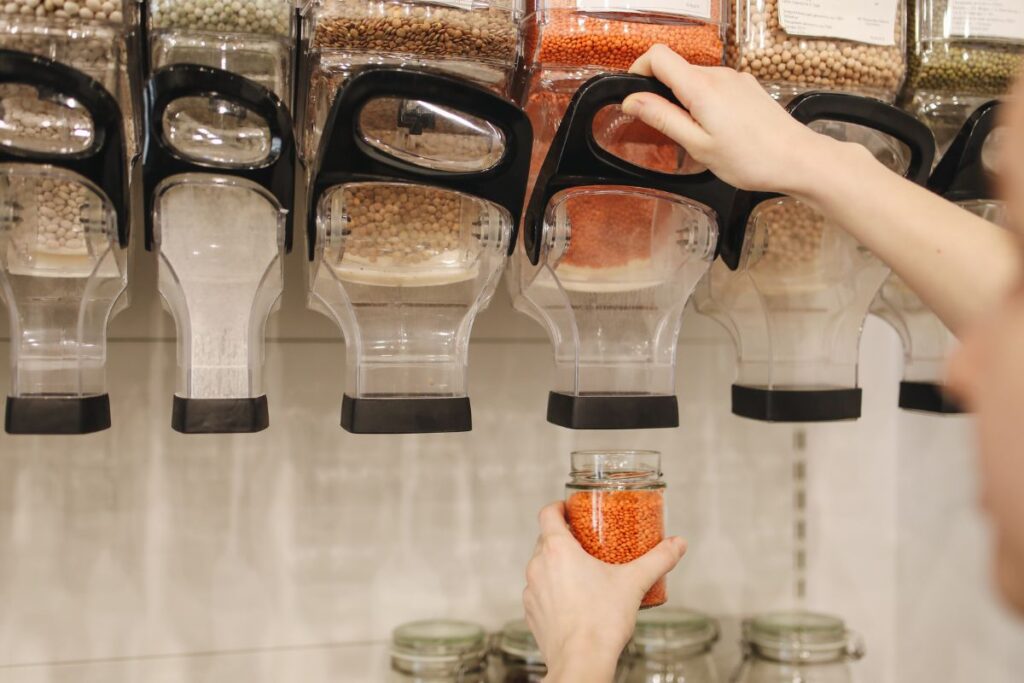
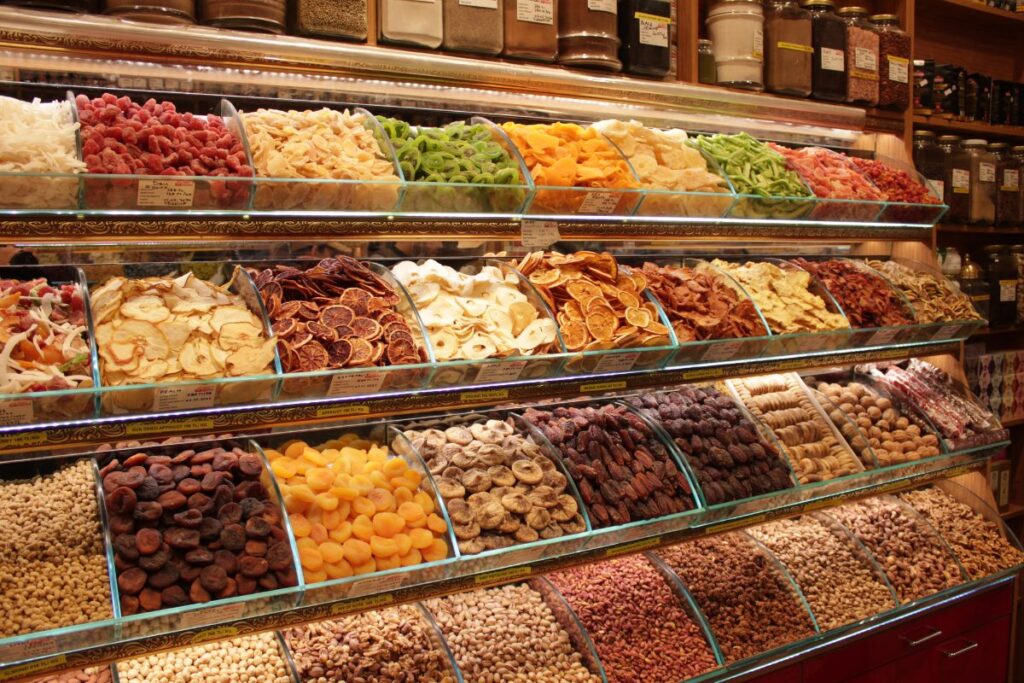
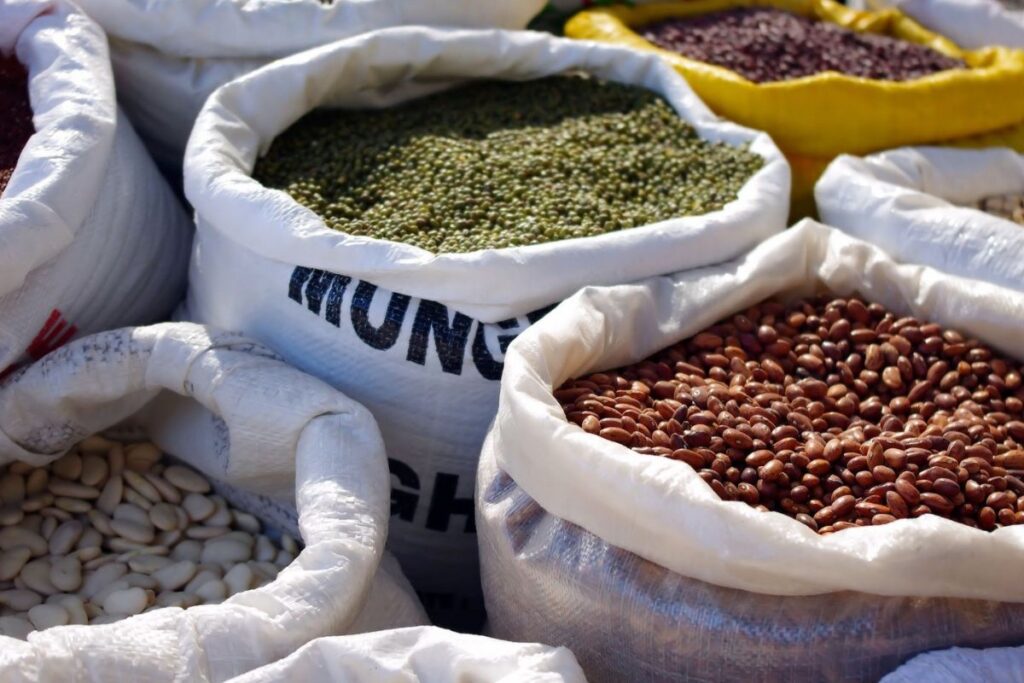
For dry goods such as nuts, grains and dried pulses, refills can be provided in-store and online. A benefit for this type of product is that it doesn’t need to be transported in bottles or jars for protection. This means it’s generally lightweight when transported, making postage economical.
- Instore Refills: Bulk food and zero waste stores offer large containers of dried foods and other products, which either dispense or use scoops. Customers can either fill paper bags provided, or bring their own jars, tins or pots to fill.
- Paper Bags or Pouches Ordered Online: Customers have long-lasting jars or tins at home to keep their goods in. When low, they order refills in paper bags or pouches. A consideration here is to ensure dry goods are kept free from moisture. Packaging them in a second protective layer such as a compostable mailer or box can achieve this.
4. Solid Refills: Embracing Minimalist Packaging
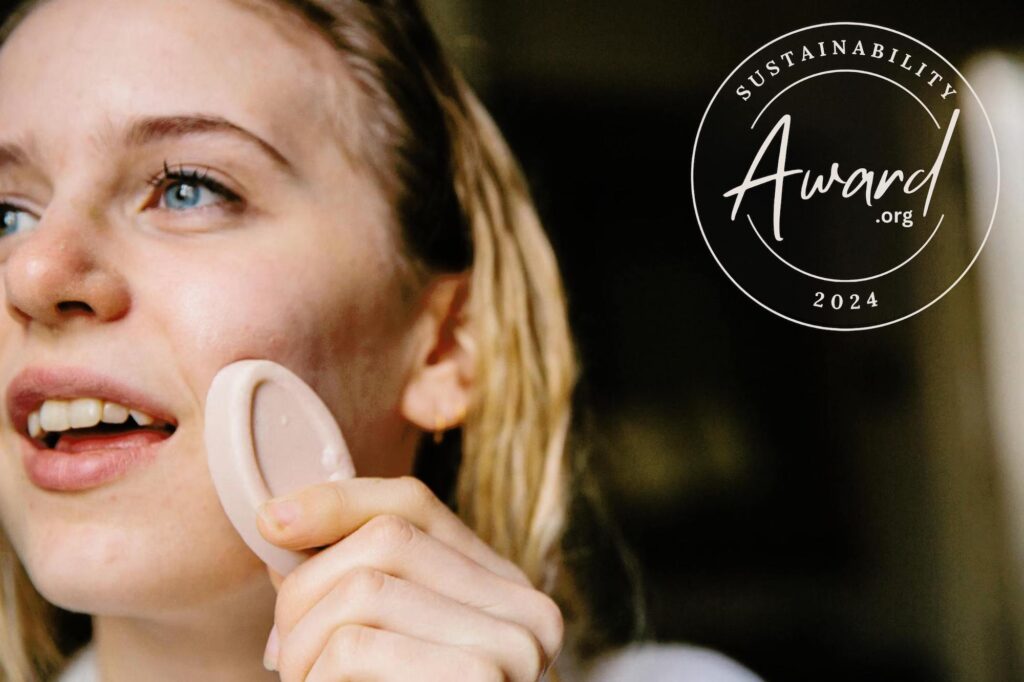
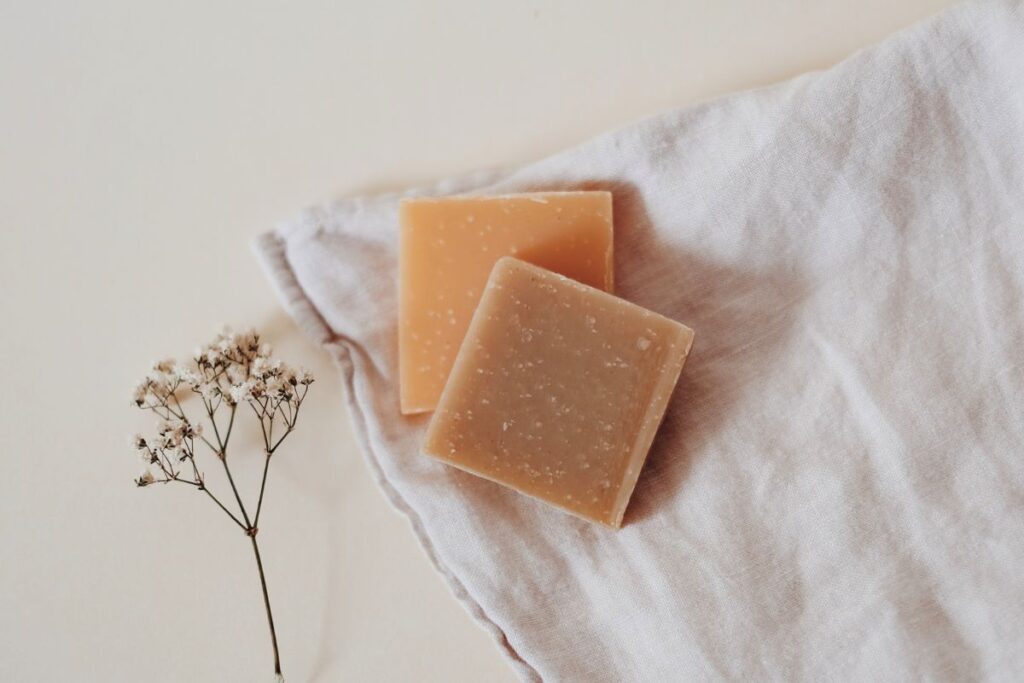
Solid refills work by packaging replacement refill products such as shampoo bars, solid moisturisers and candles in eco-friendly materials like paper or cardboard. As with powder-based products, this product-type minimises packaging, reduces product weight due to the absence of water, and significantly reduces plastic waste. Long-lasting containers like soap dishes or tins can be kept by consumers at home to keep solid products in. The big advantage of products of this type is that plastic packaging is not required as solid products won’t leach through cardboard like liquids can.
- Shampoo Bar Refills: Solid bars that lather when wet, eliminating the need for plastic bottles.
- Moisturizer Bar Refills: Moisturizers, serums or lotions without water are more concentrated.
- Candle Refills: Candles can be refilled in a few different ways – with a whole new wax candle refill packaged in paper or cardboard, or wax pellets which customers melt into the empty jar at home. Customer either scrape or pop out the residual wax before refilling, meaning a new jar isn’t required each time.
4. Makeup Refills: Compacts and Palettes & Powder in Pouches
The makeup industry, often characterized by intricate packaging, presents both challenges and opportunities for refill systems. As makeup packaging tends to be small, traditional plastic packaging has little to no chance of being recycled in conventional recycling systems. This is why refills are so important for this product type, with exciting innovations reaching the market.
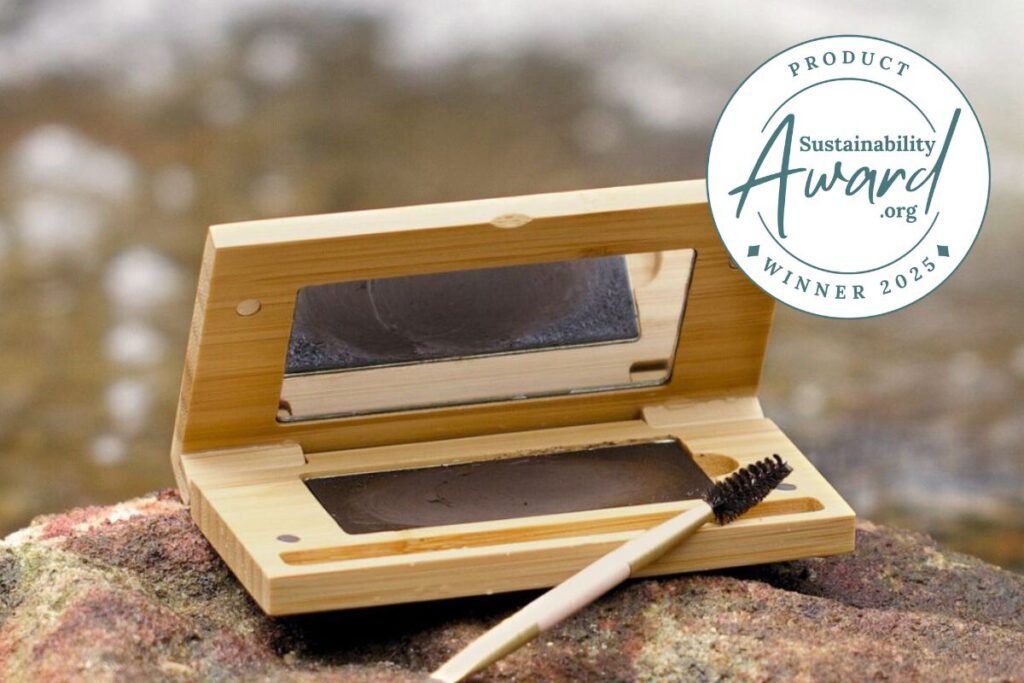
- Refillable Compacts and Palettes: Modular systems allowing consumers to replace individual product pans, avoiding plastic waste entirely. The resulting waste of metal pans however can be problematic due to their small size, so they need to be collected together with other items of the same metal type so they don’t get lost in recycling machines.
- Refillable Tubes and Sticks: Reusable packaging for lipsticks, concealers, and other solid or semi-solid products. This can involve consumers keeping original dispensers, for example lipsticks, and replacing them with a new lipstick which comes packaged in cardboard or paper, then added to the original dispenser.
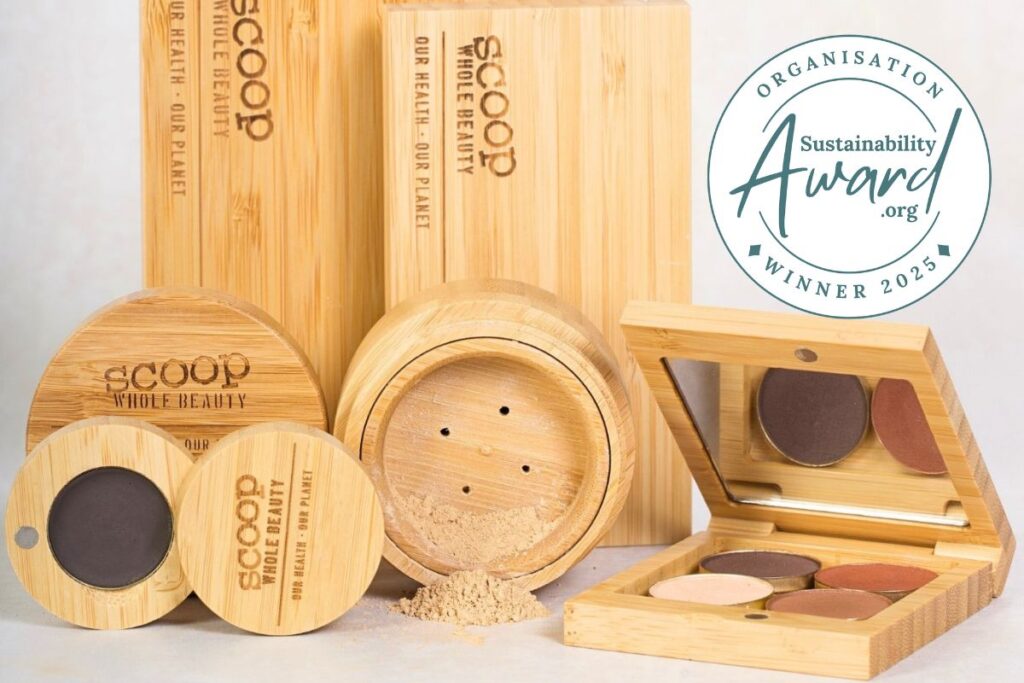
Sustainable Refill System Example: Scoop Whole Beauty
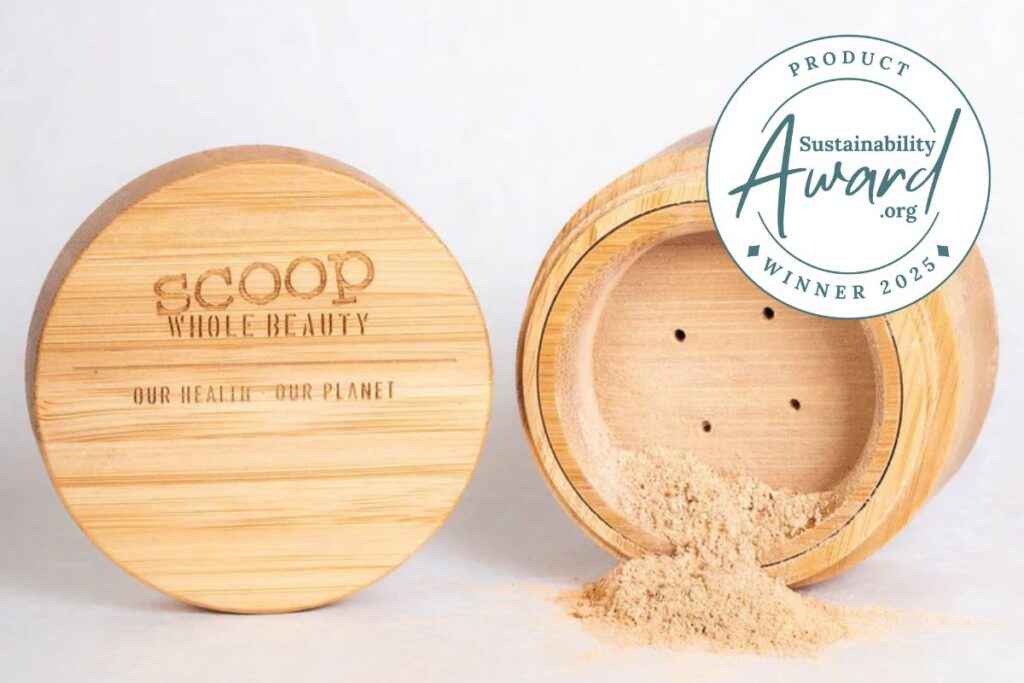
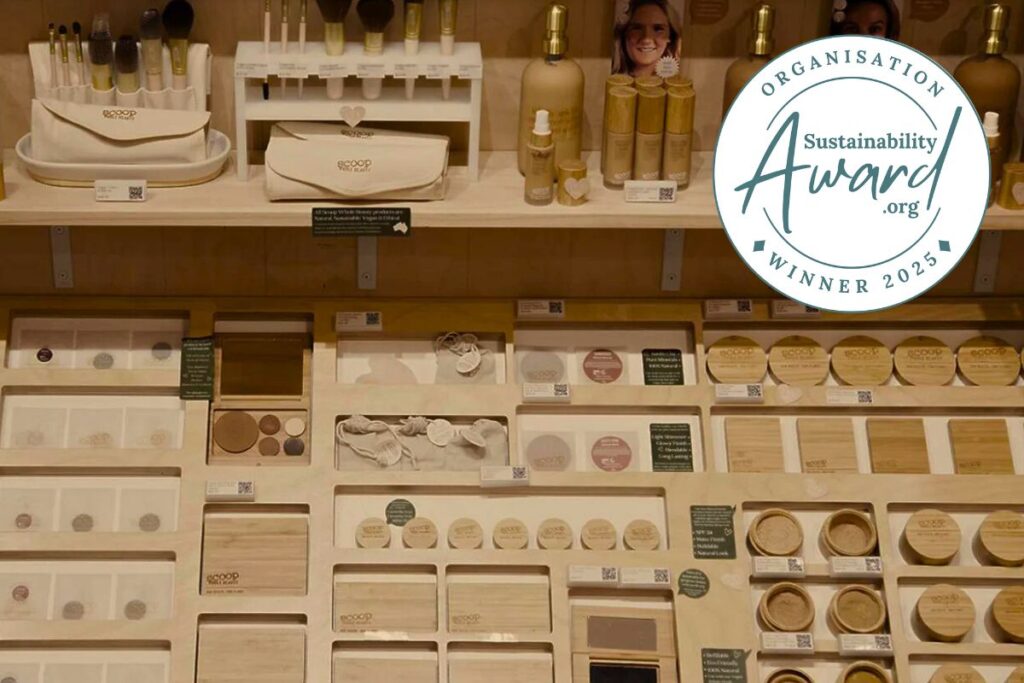
A leader in sustainable beauty refills and Sustainability Award winner, Scoop Whole Beauty is pioneering innovative refill systems for makeup products, significantly reducing plastic waste. Each refill system has been designed to fit the product type, to maximise both ease of use and sustainability.
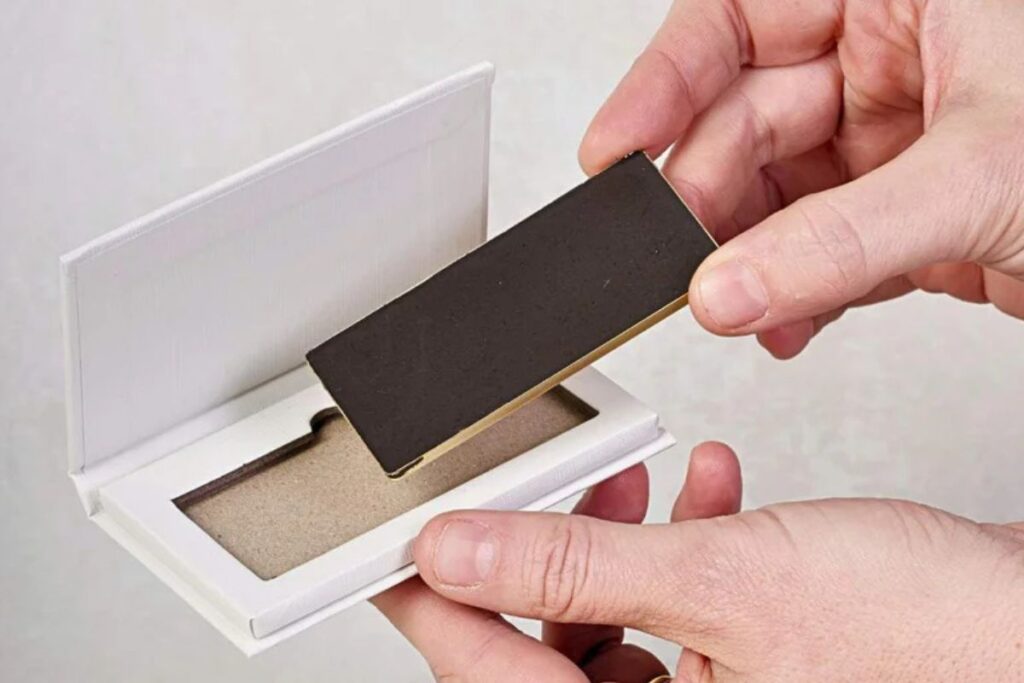
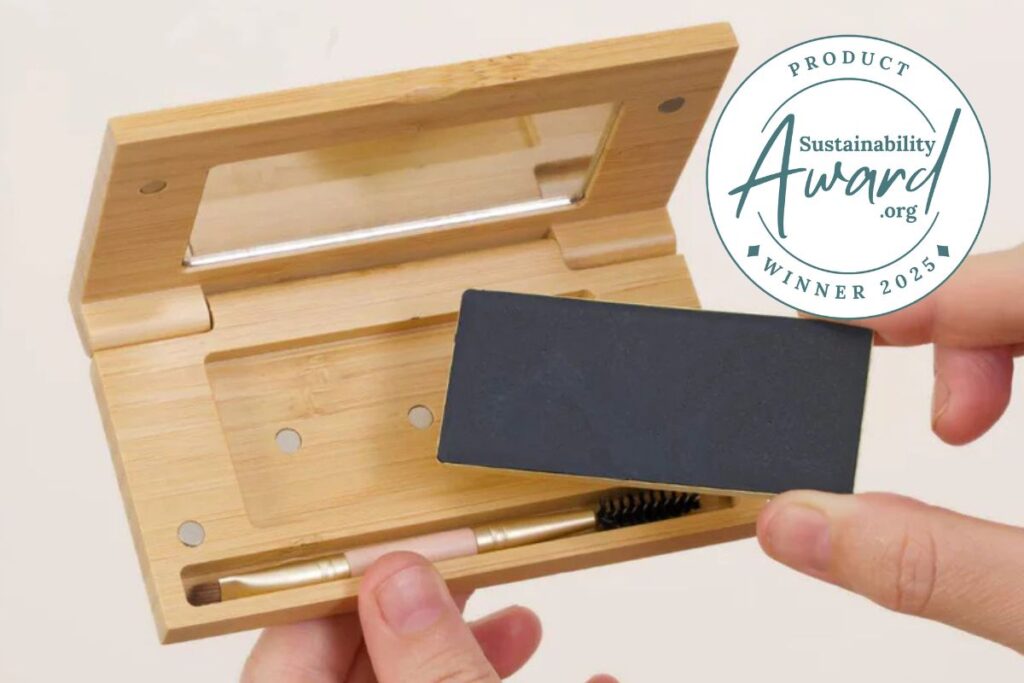
Mascara Compact Refills: Housed in a bamboo palette with a magnet, the mascara is in the form of a paste, in a rectangular metal pan, or plate as Scoops calls them. When empty, the plate can be removed, and a new plate added in its place. The replacement refill plates are packaged in cardboard.
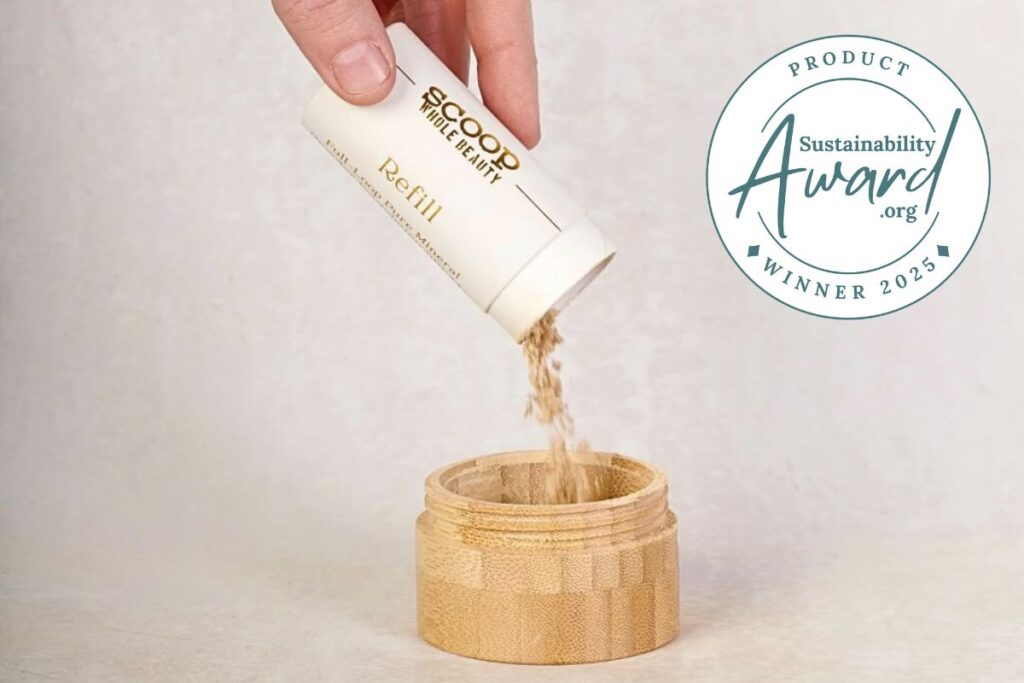
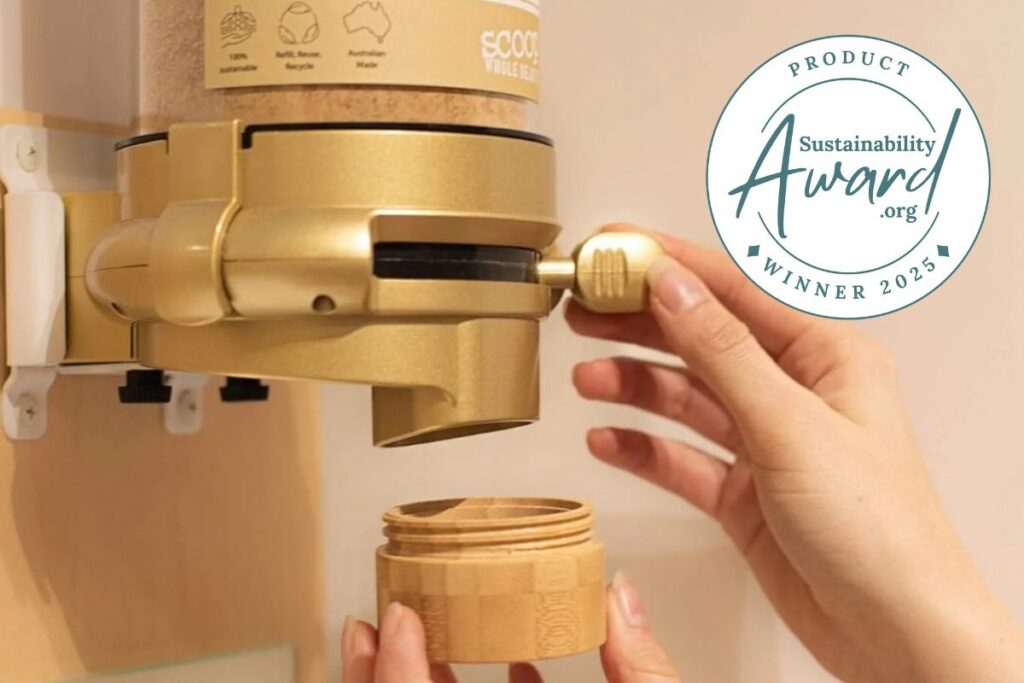
Full-Loop Pure Mineral Powder Foundation Refills: This product is packaged in a fully bamboo jar, and refills of the mineral foundation powder come in cardboard tubes which are tipped into the empty pot. This way no plastic waste is generated, and the metal plates are recycled.
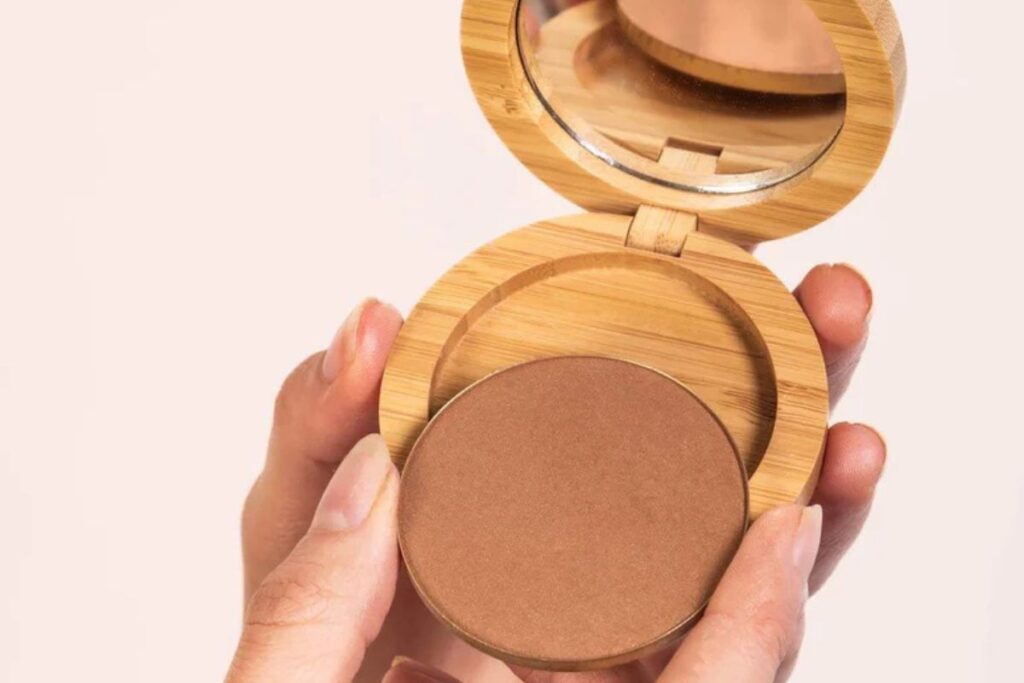
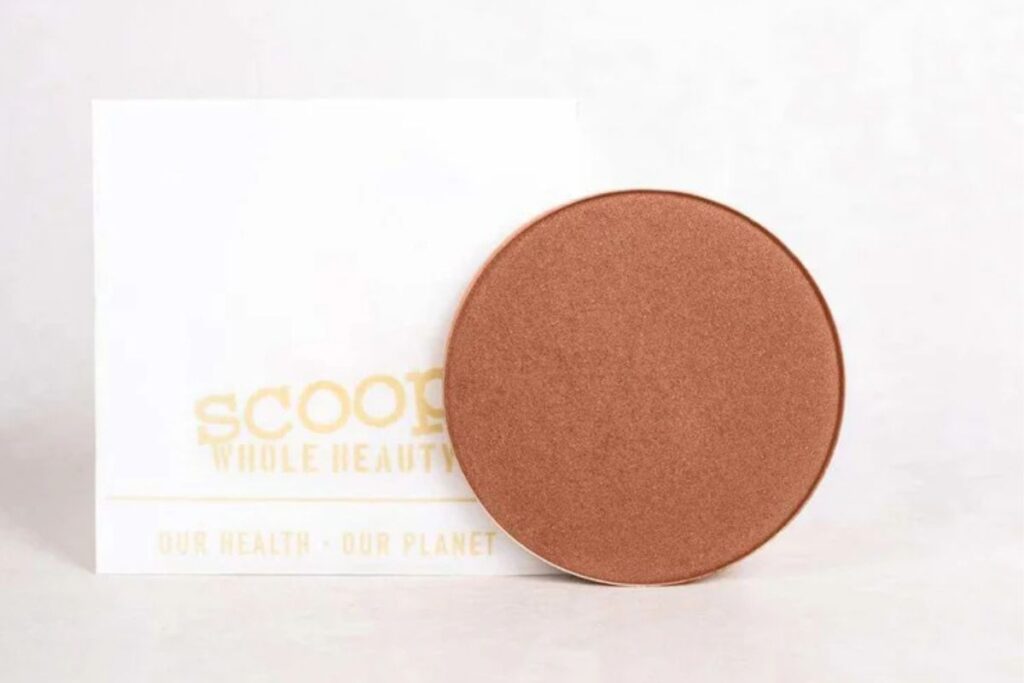
Eyeshadow, Blusher and Bronzer Compacts Refills: With a similar system to the mascara, made from bamboo palettes, these products use magnets to hold the round metal makeup plates in-place. When the eyeshadow or blusher runs out, the customer simply orders a replacement plate only, which comes packaged in protective cardboard sleeves. The new plate is then added to the palette, and the empty ones can be recycled.


Foundation and Serums: Scoop’s liquid products use a customer-friendly refill system involving no pouring. The original products are packaged in glass bottles with bamboo lids,and the refills come in the exact same bottle with aluminium lid. The customer simply removes the aluminium lid, recycles it, and screws the original pump onto the new full refill bottle, then recycles the empty one. As both glass and aluminium are infinitely recyclable, this is a very sustainable system and avoids plastic waste.
Check out the full range of Scoop Whole Beauty refillable beauty products.
Benefits of Refill Systems
Sustainable refill systems offer many benefits to both customers and brands beyond the environmental, such as cost and convenience.
- Customer Cost Savings: Customers can buy refills at a lower price than buying the product new, as they don’t need to pay for the packaging again.
- Business Cost Savings: Reduces packaging material expenses over time, particularly for high-volume products.
- Customer Loyalty: The cost savings and desire to keep original packaging, especially if it is an attractive and durable container, increase customer loyalty to continue buying the same product, rather than trying a new one.
- Enhanced Brand Reputation: Demonstrates commitment to sustainability, attracting environmentally conscious consumers.
- Differentiation from Competitors: Creates a unique selling proposition in a crowded market.
- Reduced Waste Disposal Costs: Minimizes waste generation and associated disposal fees.
- Supply Chain Efficiency: Can streamline logistics by focusing on bulk refills rather than individual packaging.
- Innovation and Product Development: Encourages the creation of new, sustainable product formats and packaging solutions.
- Potential for New Revenue Streams: Offering refill services can create an additional revenue source.
- Compliance with Future Regulations: Proactively addresses potential future regulations on single-use plastics.
- Positive Public Relations: Attracts positive media attention and enhances corporate social responsibility.
Overcoming Challenges: Towards Widespread Adoption
While refill systems offer substantial environmental benefits, several challenges can hinder their widespread adoption depending on the systems chosen. These challenges are not applicable to all refill systems, and can definitely be overcome:
- Consumer Habits: Shifting entrenched consumer preferences towards single-use products. (Consumer cost savings can be a big incentive)
- Infrastructure: Developing robust infrastructure for collection, cleaning, and redistribution of reusable containers where relevant.
- Cost: Addressing the initial investment in reusable packaging and systems.
- Logistics: Streamlining the logistics of collecting and refilling containers efficiently.
- Hygiene and Safety: Maintaining cleanliness and safety standards in refill processes.
If the challenges can be addressed, the benefits of sustainable refill systems are huge.
The Future of Refill Systems: A Growing Market and a Sustainable Vision
The global refillable packaging market, projected to reach $61.72 billion by 2032 according to Global Trade Magazine, underscores the growing demand for sustainable solutions.
Sustainabilityaward.org
As consumer awareness and demand for eco-friendly products increases, refill systems are poised to become a mainstream solution in reducing packaging waste and promoting sustainability.
Refill systems represent a transformative approach to reducing packaging waste and plastic pollution. By embracing these systems, consumers and businesses can contribute to a more sustainable future. Innovative examples like Scoop Whole Beauty demonstrate the potential of refill systems across industries, paving the way for broader adoption. As the global market for refillable packaging continues to expand, the widespread implementation of refill systems will be crucial in building a circular economy and safeguarding our planet.
What are your favourite refill systems? Have we missed any refill options or products? Let us know in the comments!
